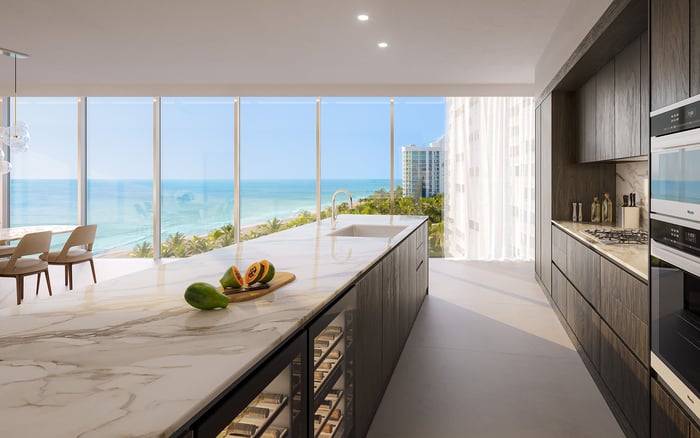
A disciplined framework for reviewing structural studies, reserve materials, inspection records, budgets, and offer protections before buying a North Bay Village condominium.

A polished residence and a compelling bay outlook may make the emotional case for a purchase, but condominium due diligence establishes its financial logic. For buyers considering North Bay Village in 2026, SIRS materials, reserve records, and milestone-inspection documents should be treated as distinct yet connected parts of the transaction file.
The objective is not simply to confirm that paperwork exists. It is to understand what was studied, what work was identified, what funding has been contemplated, which decisions remain open, and which obligations could follow the unit after closing. That distinction matters across every segment, from resale inventory to new-construction opportunities and waterfront residences.
Begin by organizing the file into three folders: structural study materials, reserve materials, and inspection-related records. Do not assume that one document answers every question. A study may address anticipated building components and funding, while an inspection file may concern physical conditions, required follow-up, or remediation. The association’s budget and meeting records may then reveal how the board intends to respond.
For each folder, create a one-page chronology. Record the document date, the professional or entity that prepared it, the areas reviewed, the recommendations made, and any next step referenced. Ask the association, property manager, and seller whether later versions, amendments, addenda, proposals, permits, contracts, or owner notices exist.
This method turns a dense package into a sequence of decisions. It also helps legal counsel, an inspector, and a financial adviser focus on unresolved items rather than rereading an unstructured archive.
A buyer’s request should extend beyond a current budget or a reserve balance presented on a single page. Seek the governing documents, budgets, financial statements, reserve schedules, structural materials, inspection correspondence, meeting minutes, owner notices, insurance information, pending contracts, project proposals, and available records of assessments or contemplated assessments.
Then reconcile the package. Do the dates align? Do meeting minutes discuss work not yet reflected in the budget? Does an owner notice describe a payment schedule? Are bids preliminary, approved, or contracted? Are professional recommendations identified as completed, underway, deferred, or still under review?
The most useful questions are precise. Rather than asking whether the building is “safe” or “fully funded,” ask which recommendations remain outstanding, what funding has been authorized, what remains subject to board or owner action, and which documents confirm completion. Direct legal and engineering questions to the appropriate professionals rather than drawing conclusions from marketing language.
Project comparison should begin with ownership structure and transaction stage, then move to the documents applicable to the specific residence. A buyer evaluating Continuum Club & Residences North Bay Village can apply the same disciplined request framework to Shoma Bay North Bay Village or Tula Residences North Bay Village, while recognizing that the available materials and contractual questions may differ.
Do not treat a newer offering as a shortcut around review, and do not dismiss an established building solely because its file is longer. The meaningful comparison centers on document quality, identified scope, funding plan, decision status, and the buyer’s potential exposure. The North Bay Village search becomes clearer when every candidate is placed within the same review matrix.
A reserve figure without context has limited value. Read it alongside the schedule of anticipated work, the assumptions used in the relevant study, the approved budget, actual expenditures, meeting discussions, and any known contracts. The central question is whether the documents collectively present a coherent path from identified need to funding and execution.
Ask what portion of available funds is designated for specific work, whether projected contributions have been adopted, and whether material decisions remain pending. Examine timing as well. A substantial project can affect owners differently depending on approval status, payment structure, contract terms, and the allocation provisions governing the unit.
For an investment or second-home purchase, incorporate potential building obligations into liquidity planning. This is not merely a question of headline price. It is a question of total acquisition exposure, carrying flexibility, and the buyer’s tolerance for work that may affect access, amenities, noise, or future marketability.
Before signing, have counsel tailor document-review rights, deadlines, representations, assessment allocation, and closing conditions to the transaction. Confirm responsibility for amounts already approved, amounts billed before closing, installments due afterward, and obligations discussed but not yet authorized. The contract should state the negotiated outcome clearly.
Use the review period actively. Send technical materials to the buyer’s chosen engineer or inspector, financial records to the appropriate adviser, and association documents to Florida counsel. If information arrives late, is incomplete, or conflicts with another record, address the discrepancy in writing before the applicable deadline.
This is the practical core of MILLION Buyer's Guides: elegant purchasing decisions rest on disciplined questions. Evaluate a residence not only for its design and view, but also for the quality and transparency of the building’s operating record.
Before the review period ends, confirm that the document package is current, each recommendation has a stated status, anticipated work has a discernible funding path, and the contract allocates known obligations. Maintain a written list of open questions and identify who is responsible for answering each one.
The strongest purchase decision does not necessarily involve the building with the shortest file. It is the residence whose condition, governance, financial plan, and contractual exposure have been examined with sufficient clarity for the buyer’s objectives.
Are SIRS materials and milestone-inspection records interchangeable? Treat them as separate workstreams, and ask qualified counsel or an engineer to explain how each applies to the building.
Is a reserve balance enough to evaluate financial readiness? No. Review it alongside anticipated work, budgets, expenditures, contracts, minutes, and owner notices.
What should I ask about identified building work? Ask whether it is proposed, approved, contracted, underway, completed, deferred, or awaiting further review.
How should I handle multiple versions of a study? Build a dated chronology and request amendments, addenda, responses, and later professional correspondence.
Should meeting minutes be part of the review? Yes. They can provide context for budgets, bids, project discussions, votes, and unresolved decisions.
Who should review technical structural documents? A buyer should engage an appropriately qualified engineer or inspector for technical interpretation.
Who determines responsibility for assessments around closing? The purchase contract and applicable governing materials require review by the buyer’s Florida counsel.
Does this framework apply to newer residences? Yes, but the available records, contractual structure, and relevant questions may differ by project and stage.
What if association records conflict with seller statements? Flag the inconsistency in writing and seek clarification before the applicable review or cancellation deadline.
What is the final question before proceeding? Ask whether the building’s condition, funding path, open decisions, and contract allocation align with your risk tolerance.
If you'd like a private walkthrough and a curated shortlist, connect with MILLION.
If branded residences are on your mind — as a home or as an allocation — we would be glad to share what we are seeing, privately.
Begin a quiet conversation