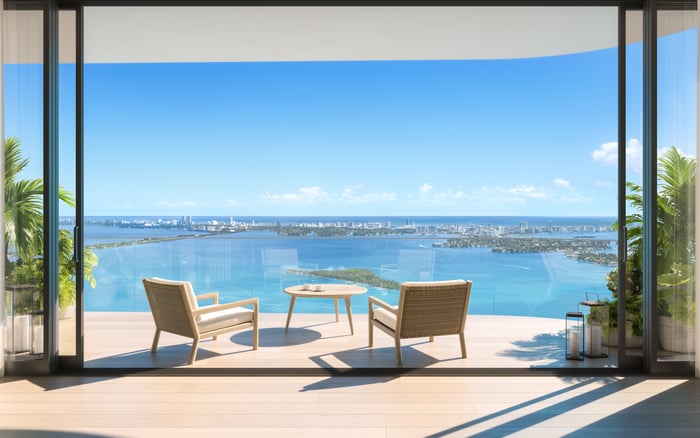
For buyers considering Miami’s Edgewater neighborhood in 2026, waterfront views or proximity to a marina should not be mistaken for a legal right to dock a boat. Verify the form and transferability of any dockage arrangement, confirm vessel fit, and review the complete boating route before closing.
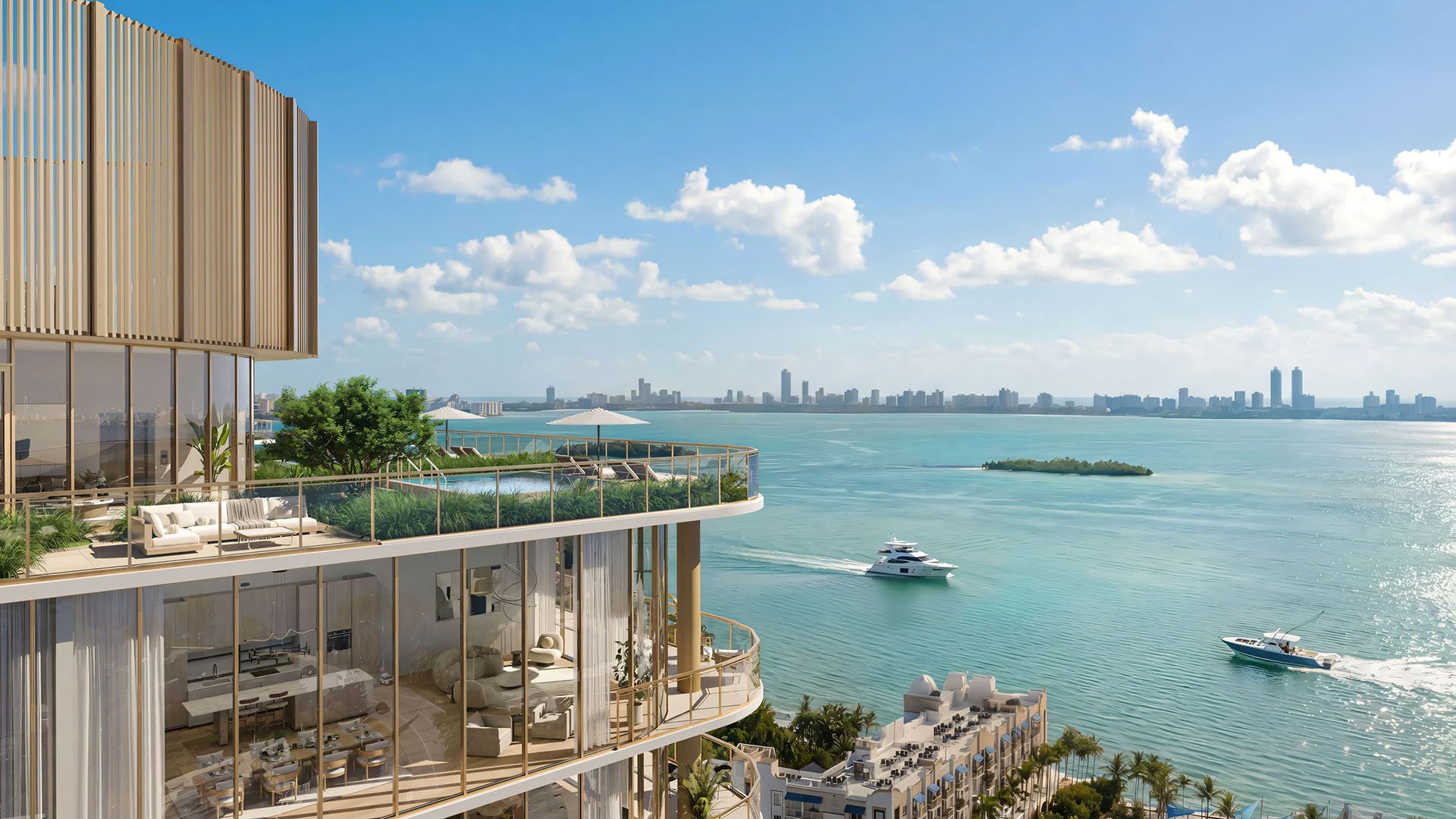
This guide concerns Edgewater in Miami-Dade County. Buyers should distinguish the neighborhood from other places with the same name and verify that every property, marina, route, and dockage document under review relates to the intended South Florida location.
Waterfront positioning, a water view, marina proximity, and the right to keep a vessel are different considerations. A listing description or project page can introduce a residence, but it cannot replace transaction-specific review of title materials, association documents, marina agreements, or other controlling records.
Buyers comparing residences can begin with projects such as Aria Reserve Miami and EDITION Edgewater while evaluating boating access separately.
Do not include dockage in a property’s value proposition until the underlying right has been identified and documented. Determine whether the arrangement is deeded, assigned, licensed, leased, seasonal, transient, or otherwise governed by a separate agreement.
The review should establish who controls the berth, which document creates the right, how long the arrangement lasts, whether renewal is discretionary, and whether the right transfers with a sale. Buyers should also ask whether approval, a new application, or a separate payment is required when ownership changes.
This distinction remains important when considering waterfront-oriented options such as The Cove Residences Edgewater. The residence and the boating arrangement should be evaluated as separate components unless the governing documents expressly connect them.
A marina’s existence does not establish current availability. Before relying on a berth, request written confirmation of the proposed slip, term, fees, deposits, renewal process, access schedule, insurance requirements, guest rules, utility terms, and any limits affecting the buyer’s intended use.
Ask which party may change the assignment, terminate the arrangement, or impose operational restrictions. If the berth is seasonal or transient, evaluate the possibility that it may not be available whenever the residence is occupied.
Any verbal representation should be reconciled with the applicable documents before closing. Unresolved inconsistencies belong on the due-diligence list rather than in the property’s assumed amenity package.
A berth is useful only when it can accommodate the actual boat. Obtain the vessel’s overall length, beam, draft, maximum height, and other relevant operating dimensions, then compare those measurements with written marina limits and on-site conditions.
The analysis should address how the vessel will enter, turn, tie up, connect to available utilities, and depart under the conditions relevant to its operation. Buyers contemplating a larger boat should test the proposed future vessel rather than relying only on the dimensions of the boat currently owned.
The same discipline applies when comparing a design-focused residence such as Villa Miami: architectural or waterfront appeal does not establish technical compatibility with a particular vessel.
Bridge clearance should be evaluated across every intended route, not merely at the berth. Record the boat’s maximum operating height and review each bridge or overhead obstruction between the proposed dockage and regular destinations.
Route analysis should also consider draft, water depth, navigational constraints, fueling plans, service access, and practical alternate routes. Conditions can vary, so route-specific information should be confirmed through appropriate professional and official channels when the review is performed.
A route that works for one vessel may not work for another. Buyers should avoid treating general descriptions of boating access as a substitute for a vessel-specific navigation assessment.
Organize the boating review alongside the real-estate due diligence. The file should contain the document establishing dockage rights, written confirmation of availability and terms, vessel measurements, marina limits, route findings, insurance requirements, and any approvals needed for use or transfer.
Before closing, identify every unresolved assumption and assign responsibility for confirming it. Legal rights, marina operations, vessel compatibility, navigation, costs, and resale transferability should each be addressed independently.
Does this guide cover Edgewater in Miami? Yes. It concerns the Edgewater neighborhood in Miami-Dade County and keeps the analysis focused on South Florida.
Does a waterfront residence automatically include dockage? No. Waterfront positioning and legal dockage rights are separate matters that require document-specific verification.
Which forms of dockage should a buyer investigate? Determine whether access is deeded, assigned, licensed, leased, seasonal, transient, or controlled through another written arrangement.
How should current slip availability be confirmed? Obtain written confirmation from the party authorized to control or assign the berth, then compare it with the governing documents.
Which vessel measurements matter? Review overall length, beam, draft, maximum height, and any other dimensions relevant to the marina and intended route.
Why does bridge clearance require a route-specific review? The vessel must fit beneath every bridge or overhead obstruction on each intended route, including practical alternatives.
Should a future boat be considered during due diligence? Yes. If a larger or differently configured vessel is contemplated, test that vessel against the proposed slip and route.
What dockage terms should be documented? Confirm the term, fees, deposits, renewal process, access rules, insurance requirements, utilities, restrictions, and termination provisions.
Can dockage rights transfer when the residence is sold? Transferability depends on the controlling documents and approval requirements, so it should be verified before purchase and resale.
What is the best way to shortlist comparable options for touring? Start with location fit, delivery status, and daily lifestyle priorities, then compare stacks and elevations to validate views and privacy.
If you'd like a private walkthrough and a curated shortlist, connect with MILLION.
If branded residences are on your mind — as a home or as an allocation — we would be glad to share what we are seeing, privately.
Begin a quiet conversation