A disciplined comparison of full-service towers and boutique condominiums starts with intended occupancy, homestead eligibility and a complete first-year budget, not assumptions about building size.
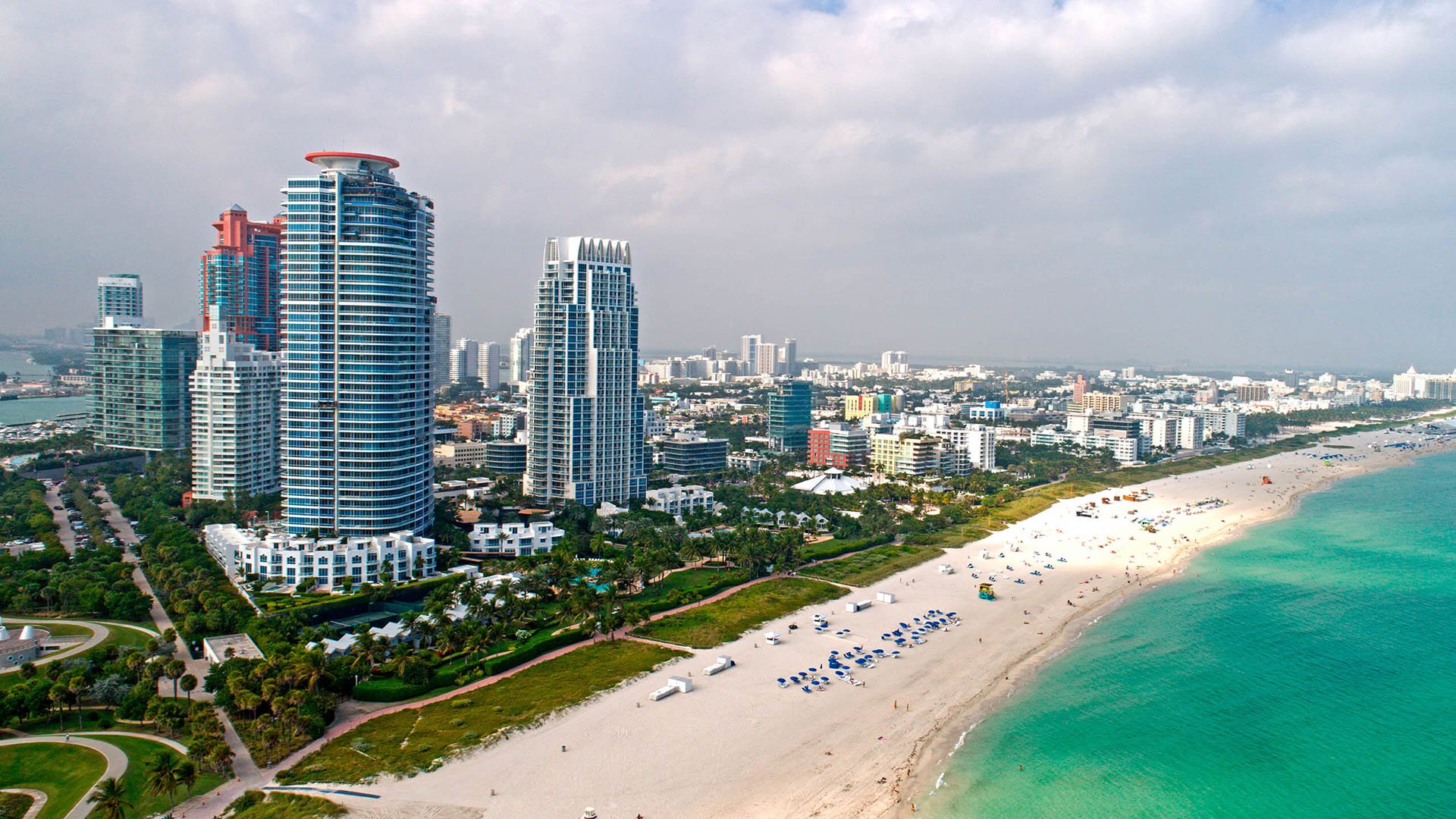
The choice between a large full-service tower and a boutique condominium is often framed as service versus intimacy. For a South Florida buyer, the more consequential question is whether the residence fits a permanent-home plan, a seasonal calendar or an investment strategy-and whether its first-year obligations are clear before closing.
Building size does not determine homestead eligibility. Nor does it establish which condominium will have lower insurance costs, stronger reserves or fewer repair obligations. A practical comparison is property-specific: intended occupancy, documented association expenses, owner-level insurance and the cash required during the first twelve months.
Lifestyle preferences still matter. The discipline is to price the services and setting you actually want, without letting an appealing lobby or a smaller ownership community substitute for financial diligence.
Define your intended use before requesting insurance quotations: permanent residence, seasonal residence, second home or rental property. Ask the insurer what occupancy information it needs, how to disclose periods of absence and whether the proposed policy accommodates your plans. Resolve these questions rather than assuming one building format carries a lower premium.
In Brickell, a buyer considering The Residences at 1428 Brickell should apply the same occupancy discipline as a buyer considering Alana Bay Harbor Islands. Neither a project name nor a preferred neighborhood establishes insurance terms or tax eligibility.
Request a unit-specific insurance quotation and review it alongside the association's coverage documents. Ask your adviser to identify the respective responsibilities, relevant deductibles and any coverage questions that need clarification. The available cost figures do not establish differences in individual HO-6 premiums between towers and boutique buildings.
A Florida condominium can qualify for homestead when the owner holds qualifying title and makes it a permanent home in good faith. Generally, title and permanent residency must be in place on January 1 of the relevant tax year. The ordinary application deadline is March 1, with filing handled by the county property appraiser.
Purchase timing and actual use therefore matter more than architectural scale. Before assuming a first-year tax benefit, confirm which tax year your circumstances support and what documentation the county requires. A planned move is not equivalent to established eligibility.
Second-home planning requires particular care. Do not assume a seasonal retreat qualifies merely because its owner spends substantial time in Florida. Investment use also warrants separate review: renting a homesteaded property can jeopardize the exemption, although limited rental circumstances may preserve eligibility.
Claiming a residency-based tax benefit elsewhere can also jeopardize Florida eligibility and expose an owner to back taxes, penalties, interest or a lien. Resolve overlapping claims before including homestead savings in your purchase budget.
Homestead reduces taxable value, not the tax bill dollar for dollar. The exemption framework describes up to $50,000 in taxable-value relief: the first $25,000 applies to all property taxes, including school-district taxes; the additional $25,000 applies to assessed value above $50,000 and excludes school-district taxes.
Confirm the applicable tax-year exemption amount and filing requirements with the county property appraiser. Do not treat those dollar figures as timeless or mistake them for $50,000 in annual cash savings.
For a Miami Beach purchase, including a residence under consideration at 57 Ocean Miami Beach, use a property-specific tax estimate rather than an assumed homestead discount. Keep the eligibility decision separate from the appeal of an oceanfront address.
In a December 2025 sample of managed high-rise buildings at least seven stories tall, average Miami-Dade association fees exceeded $1,900 monthly, nearly $500 higher than the previous year. Average monthly association insurance allocations were approximately $377 per unit in Miami-Dade and $438 in the Fort Lauderdale-Palm Beach area. Insurance was the sample's second-largest expense category after regular operating expenses.
These figures offer context, not a quotation for a particular residence. They describe a managed-building sample and do not establish whether towers cost more or less than boutique condominiums.
The pressure on association insurance is nevertheless material. Miami-Dade condominium commercial multi-peril premiums rose from approximately $175,000 in early 2021 to $462,000 at year-end 2024, an increase of about 164%. Those figures concern association-level insurance, not an individual owner's policy.
For a Fort Lauderdale shortlist that includes Sixth & Rio Fort Lauderdale, request the applicable budget and coverage information rather than applying a regional average to the residence. Ask whether figures supplied during purchase discussions are adopted, projected or subject to revision.
Use the same worksheet for every candidate. Start with twelve months of the applicable association dues, then add the property's estimated taxes, the owner's insurance quotation and separately payable expenses. Keep financing and transaction costs distinct so operating costs remain visible.
Next, isolate special assessments. Obtain the amount, payment schedule and clarification of any responsibility assigned at closing. July 2025 examples included five- and six-figure assessments; one owner was paying nearly $300 monthly on a ten-year plan for a $45,000 assessment. An installment schedule does not erase the underlying obligation.
Avoid double-counting association insurance. If its allocation is already included in dues, do not add it again as an extra monthly expense. Nor should you treat that allocation as your personal insurance quotation.
Finally, distinguish confirmed obligations from a discretionary cash cushion. Ask about upcoming insurance renewals, proposed budget changes and unresolved work. An unknown expense is not automatically zero, but neither should it be presented as a verified liability.
Review each association's budget, reserve information, assessment notices and available repair documentation with your advisers. Ask which services are funded, which you will use and whether the disclosed obligations fit your ownership horizon. The evidence does not support a blanket advantage for either format in staffing, reserves or repair exposure.
Choose the tower when its documented services suit your routine and the budget works. Choose the boutique building when its setting suits you and its financial obligations are equally clear. Neither choice should rest on an assumed homestead benefit or an unverified insurance saving.
For a considered South Florida residence search, explore your options with MILLION.
If branded residences are on your mind — as a home or as an allocation — we would be glad to share what we are seeing, privately.
Begin a quiet conversationBuilding size does not determine eligibility. Qualifying title and good-faith permanent residence are the central considerations.
Generally, the owner must hold qualifying title and use the property as a permanent residence on January 1 of the relevant tax year.
The ordinary deadline is March 1. Confirm applicable filing requirements with the county property appraiser.
No, the exemption reduces taxable value rather than the tax bill dollar for dollar. Confirm the exemption amount applicable to your tax year.
No, a seasonal residence, second home or investment condominium should not be assumed to qualify because permanent residence is required.
Yes, renting can jeopardize the exemption, although limited rental circumstances may preserve eligibility. Review your specific plans with the county property appraiser.
Yes, an overlapping residency-based benefit can jeopardize Florida homestead eligibility. Potential consequences include back taxes, penalties, interest or a lien.
No, the averages describe a managed-building sample rather than every South Florida condominium. Obtain the applicable association budget and unit-specific dues.
Not if that allocation is already included in dues. Keep your separate owner-level insurance quotation distinct from association insurance costs.
Include applicable dues, estimated property taxes, owner-level insurance, separately payable expenses and assessment payments. Keep assessments visible and financing and transaction costs separate.