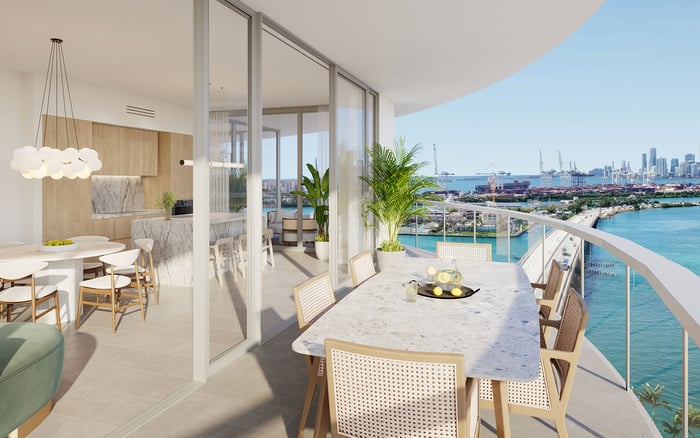
Choosing between a decorator-ready residence and a finished home requires more than a design preference. Compare completion risk, association approvals, rental permissions, building finances, and the flexibility of your eventual exit.
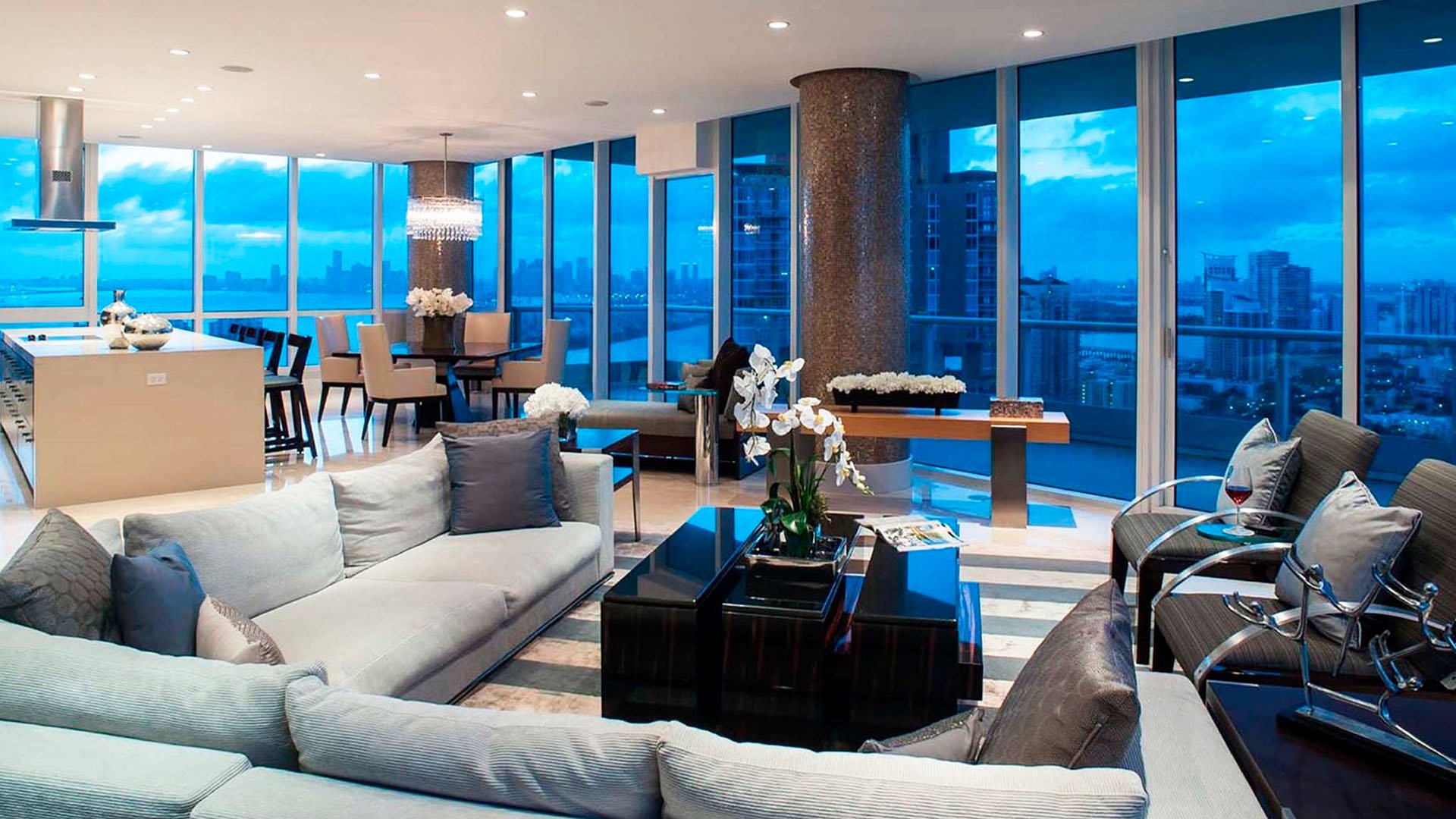
The choice between a decorator-ready residence and a fully finished home is less about marble than control. One offers the opportunity to shape an interior around your routines and collection. The other offers the prospect of enjoying the residence without first managing its completion. Neither label answers the questions that determine whether ownership will remain comfortable when your plans change.
For a South Florida buyer, the useful comparison is between two complete ownership scenarios: acquisition, completion, carrying costs, permitted use, and eventual resale. A beautiful interior cannot substitute for workable association rules. Nor should an unfinished residence be dismissed if the opportunity to customize fits your schedule and financial priorities.
The better purchase is the one whose obligations fit both your intended use and your possible exit.
Treat decorator-ready, fully finished, and turnkey as descriptions to investigate, not interchangeable contractual promises. Request a written account of what is included, what remains to be installed, and what work you would need before occupancy. For a finished home, confirm which furnishings and fixtures convey rather than assuming the presentation defines the purchase.
For a decorator-ready option, build a completion budget around the actual scope. Ask your design and construction team to distinguish essential work from discretionary upgrades, identify approval dependencies, and explain scheduling uncertainty. Do not rely on a standard contingency percentage without project-specific advice.
A buyer considering The Perigon Miami Beach should apply the same discipline to the particular residence and contract. A project name is no substitute for a unit-level delivery specification.
Compare the purchase price plus required work, professional fees, carrying costs during completion, and any interim accommodation. For the finished alternative, include changes you would actually make. An interior you intend to replace offers limited practical convenience.
In midyear 2025, the Miami Beach market showed strong demand for turnkey homes and buyer reluctance toward renovation risk. Separately, in May 2025, high-quality custom homes and condominiums were favored in Miami, particularly primary residences. The distinction matters: convenience can appeal to buyers, but so can thoughtful customization.
These qualitative observations do not establish a universal turnkey premium, decorator-ready discount, or days-on-market advantage. Nor are they a measure of current conditions. By August 2025, luxury buyers were also placing greater emphasis on future liquidity before purchasing.
Submarket competition complicates the decision. In August 2025, Miami luxury condominiums above $5 million faced oversupply and substantial buyer leverage, particularly in Greater Downtown. That historical context cautions against assuming exceptional finishes alone will ensure an easy exit.
When evaluating Una Residences Brickell, request current comparable sales and competing listings relevant to the residence. In Brickell, as elsewhere, separate the interior’s appeal from the offering’s price and competitive position.
Acquiring a residence and receiving permission to alter it are distinct diligence questions. Before committing, have counsel establish whether association approval applies to the purchase, which documents are required, and how the process interacts with the contract and closing schedule. Do not assume a standard approval deadline across buildings.
Investigate the proposed work separately. Ask about submission requirements, contractor qualifications, permitted working periods, access arrangements, and restrictions that could affect your design. These are questions to resolve, not policies to presume.
For condominium purchases, the statutory disclosure framework provides for specified association documents at the seller’s expense. The review includes the declaration, articles of incorporation, bylaws, rules, and most recent year-end financial information.
A purchaser assessing Park Grove Coconut Grove should request the applicable documents rather than infer permissions from an existing interior. Counsel should also confirm the review rights and deadlines that apply to the transaction.
A future lease can be a useful alternative to selling, but only if the residence can legally and practically serve that purpose. A finished interior does not establish rental permission, and a decorator-ready purchase does not create additional leasing flexibility.
Ask counsel and management to confirm minimum lease terms, frequency limits, any waiting periods or caps, tenant-approval requirements, and applicable local restrictions. Obtain the governing provisions and clarify how they apply to your intended use. Never infer short-term-rental permission from nearby properties or a hospitality-style presentation.
If Jade Signature Sunny Isles Beach is on your shortlist, test the proposed rental fallback against its applicable documents before including income in your ownership model. This is a diligence recommendation, not a statement about that property’s rental policies.
Keep the comparison conservative: assess whether you could comfortably retain the residence without rental income if leasing is unavailable or delayed.
A finished apartment still requires building-level financial and structural review. Relevant condominium disclosures include milestone-inspection and structural-integrity reserve-study information, including disclosure when a study has not been completed. Request these alongside the association’s financial information, and ask advisers to explain their implications.
Florida’s milestone-inspection framework covers residential condominium and cooperative buildings with three or more habitable stories, including mixed-ownership buildings. The standard initial inspection age is 30 years; a local enforcement agency may require an initial inspection at 25 years. Inspections generally recur every 10 years thereafter.
Structural-integrity reserve studies are a separate consideration, generally recurring at least every 10 years for covered association buildings of three stories or more. Confirm applicability and timing for the particular building rather than treating these general intervals as a property-specific determination.
The practical question is which obligations may overlap with your intended ownership period-and whether you can accommodate them without forcing a sale.
There is no universal minimum holding period that makes customization sensible. Instead, distinguish the acquisition date, expected completion date, and earliest plausible sale date. A compressed schedule leaves less time to enjoy the work and less flexibility if completion takes longer than expected.
Stress-test three possibilities: occupying as planned, retaining without rental income, and selling earlier than intended. Use current professional estimates rather than assuming renovation spending will be recovered at resale.
Favor the finished home when its actual condition suits your taste and reducing execution risk is a priority. Favor decorator-ready when the design opportunity justifies the work and you have room in both budget and schedule. In either case, seek a residence you can enjoy without depending on an optimistic exit.
Explore South Florida residences with MILLION to align your next purchase with your design priorities and ownership horizon.
If branded residences are on your mind — as a home or as an allocation — we would be glad to share what we are seeing, privately.
Begin a quiet conversationNo universal resale-speed advantage is established. The 2025 market observations favored turnkey convenience but also recognized the appeal of high-quality custom interiors.
Obtain a written delivery specification and identify the work required before occupancy. Build your budget and schedule around that actual scope and its approval dependencies.
No. Confirm in writing which furnishings and fixtures convey, and distinguish the presentation from the contractual inclusions.
Treat them as separate diligence questions. Have counsel confirm the applicable purchase process and investigate permissions for your proposed work independently.
Review the declaration, articles of incorporation, bylaws, rules, and most recent year-end financial information. Relevant milestone-inspection and structural-integrity reserve-study disclosures also belong in the review.
No. Verify lease terms, frequency limits, any waiting periods or caps, tenant approval, and applicable local restrictions before relying on rental income.
For covered buildings, the standard initial age is 30 years, with an earlier inspection at 25 years when required by the local enforcement agency. Inspections generally recur every 10 years thereafter.
Interior condition does not resolve building-level financial or structural obligations. Review association finances and relevant structural disclosures against your intended ownership period.
No universal benchmark is established here. Use project-specific professional estimates and compare expected completion with your earliest plausible sale date.
Compare acquisition, required work, professional fees, carrying costs, and any interim accommodation. Test whether either option remains comfortable without rental income or an optimistic resale outcome.