A practical framework for testing a view premium against daily comfort, glazing performance, wind exposure, storm readiness, and carrying costs.
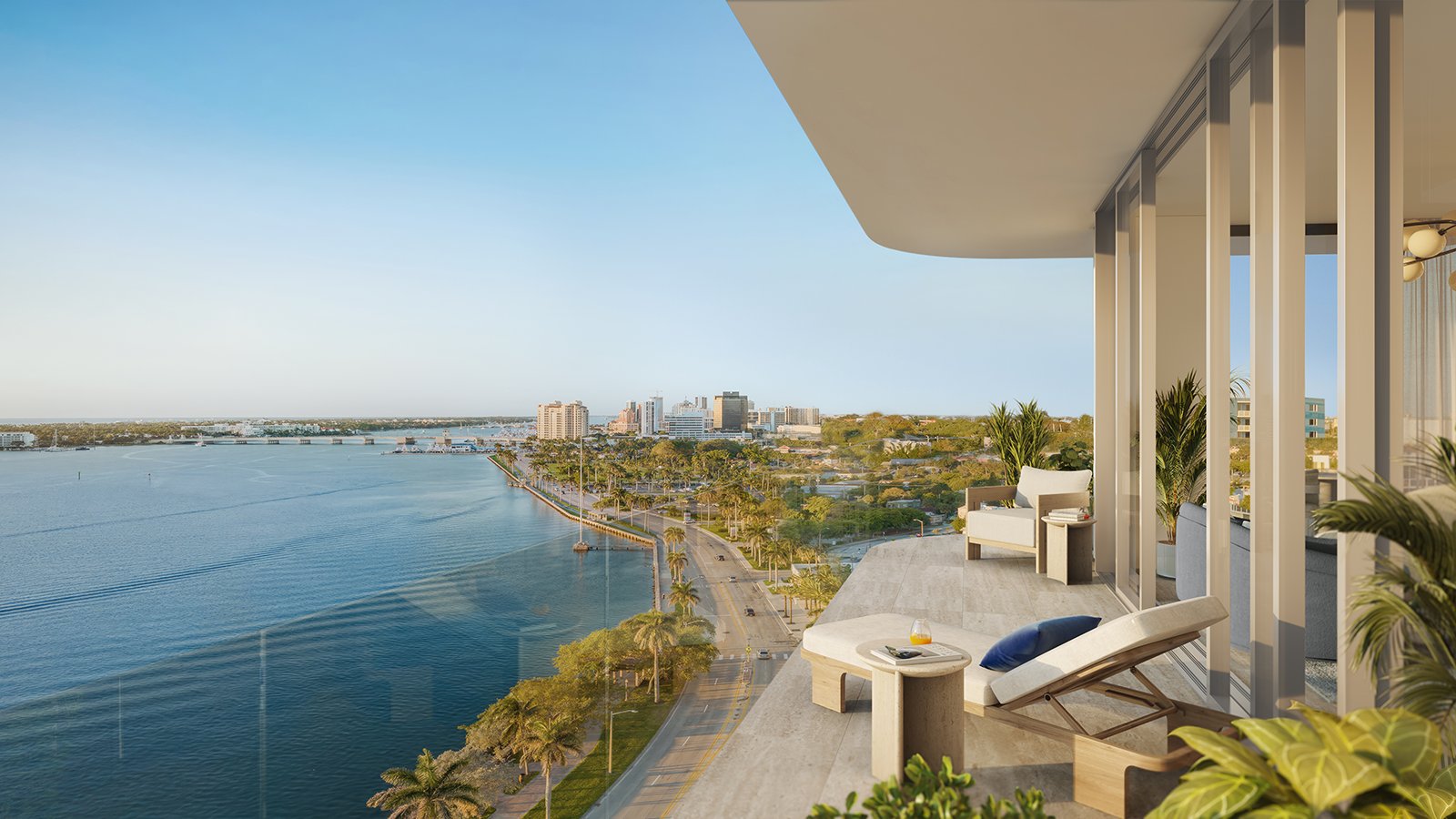
At The Ritz-Carlton Residences® West Palm Beach, a buyer considering a view premium should look beyond the initial visual impact. The practical question is how the exposure performs throughout the day and during demanding South Florida weather.
A compelling outlook can still involve glare, solar heat, wind, privacy considerations, or greater reliance on shades and cooling. Those factors should be evaluated residence by residence rather than assumed from a rendering or a general project presentation.
Arrange visits at different times of day. During the morning, stand where the bed, breakfast table, desk, and principal seating would be positioned. Note whether direct light or reflections affect how comfortably those spaces can be used without closing the shades.
Return later to evaluate interior temperature, shade coverage, residual heat, and terrace usability. An evening visit can reveal how the outlook, foreground, and surrounding lights read after daylight fades.
Use the same schedule when comparing another West Palm Beach option such as Alba West Palm Beach. A consistent review makes it easier to distinguish an impressive presentation from a view that supports daily comfort.
A project-level view description does not establish the value of a particular home. Compare the exact floor plan, floor height, interior position, corner geometry, balcony depth, foreground conditions, privacy, and visible horizon.
Review the outlook while both seated and standing. Also consider how furniture placement, columns, terrace railings, neighboring structures, and window treatments may affect the experience from the rooms used most often.
Apply the same residence-specific discipline when considering Forté on Flagler West Palm Beach or Mandarin Oriental Residences, West Palm Beach. The useful comparison is between specific homes and their supporting documents, not broad claims about one development versus another.
Request the available specifications for exterior glazing, fixed panels, operable doors, corners, and terrace transitions. Relevant items may include solar heat-gain performance, low-emissivity coatings, tint, acoustic characteristics, and impact standards.
Ask how the specified glass works with the cooling system and planned window treatments. If automated shades or specialized treatments are important to comfort, include their purchase, operation, and maintenance in the ownership model.
Renderings can illustrate design intent, but they cannot replace the governing offering documents, technical exhibits, or an inspection of the specific exposure. A premium should be supported by both the view and the envelope surrounding it.
A wider or higher outlook may come with different wind conditions on a balcony. Ask how terrace doors, drains, railings, waterproofing, and other exterior-facing components are designed to perform and how they must be maintained.
Review the available flood, drainage, structural, glazing, waterproofing, insurance, and building-systems materials. Where questions remain, seek guidance from qualified legal, insurance, engineering, and inspection professionals before making a commitment.
Storm readiness and recurring costs belong in the same analysis as aesthetics. Insurance, cooling, window treatments, maintenance, and possible assessments can affect the long-term value of a view premium.
Score each candidate residence across consistent categories: glare, afternoon comfort, sightline quality, privacy, terrace usability, wind exposure, documented resilience, and recurring costs. Weight those categories according to how the home will actually be used.
Do not assume that a higher floor, wider horizon, or more dramatic first impression automatically justifies a larger premium. The defensible approach is specific to the residence: inspect the exposure, compare its geometry, review the governing documents, and account for both one-time and recurring costs.
Why should a view premium be tested at different times? Light, reflections, heat, shade, and the appearance of the outlook can change throughout the day.
Which rooms should receive the closest glare review? Focus on the primary bedroom, breakfast area, workspaces, and principal seating areas because comfort there can shape daily use.
Why compare exact residences instead of project descriptions? Floor height, geometry, privacy, foreground conditions, and balcony design can make two homes in the same building feel different.
Should a buyer inspect the view while seated? Yes. Seated and standing sightlines may differ, especially near railings, furniture, columns, or other foreground elements.
Which glazing information should a buyer request? Ask for available information on solar heat gain, low-emissivity coatings, tint, acoustic performance, and impact standards.
How can window treatments affect the premium analysis? Shades may improve comfort and glare control, but their purchase, operation, and maintenance add to ownership costs.
What should be reviewed for balcony usability? Consider shade, wind, privacy, drainage, railings, door operation, and waterproofing in the specific residence.
Which resilience materials deserve attention? Review available flood, drainage, structural, glazing, waterproofing, insurance, and building-systems documents.
Which recurring costs belong in the calculation? Include insurance, cooling, window treatments, exterior-component maintenance, and possible condominium assessments.
How should a buyer make the final comparison? Use a consistent decision matrix, inspect each exposure, review governing documents, and consult qualified professionals where needed.
For a tailored shortlist and next-step guidance, connect with MILLION.
If branded residences are on your mind — as a home or as an allocation — we would be glad to share what we are seeing, privately.
Begin a quiet conversation