A disciplined review of Jade Signature should separate construction-phase groundwater control from post-completion performance, then test the unit, terrace, glazing, garage conditions, and association records as one connected system.
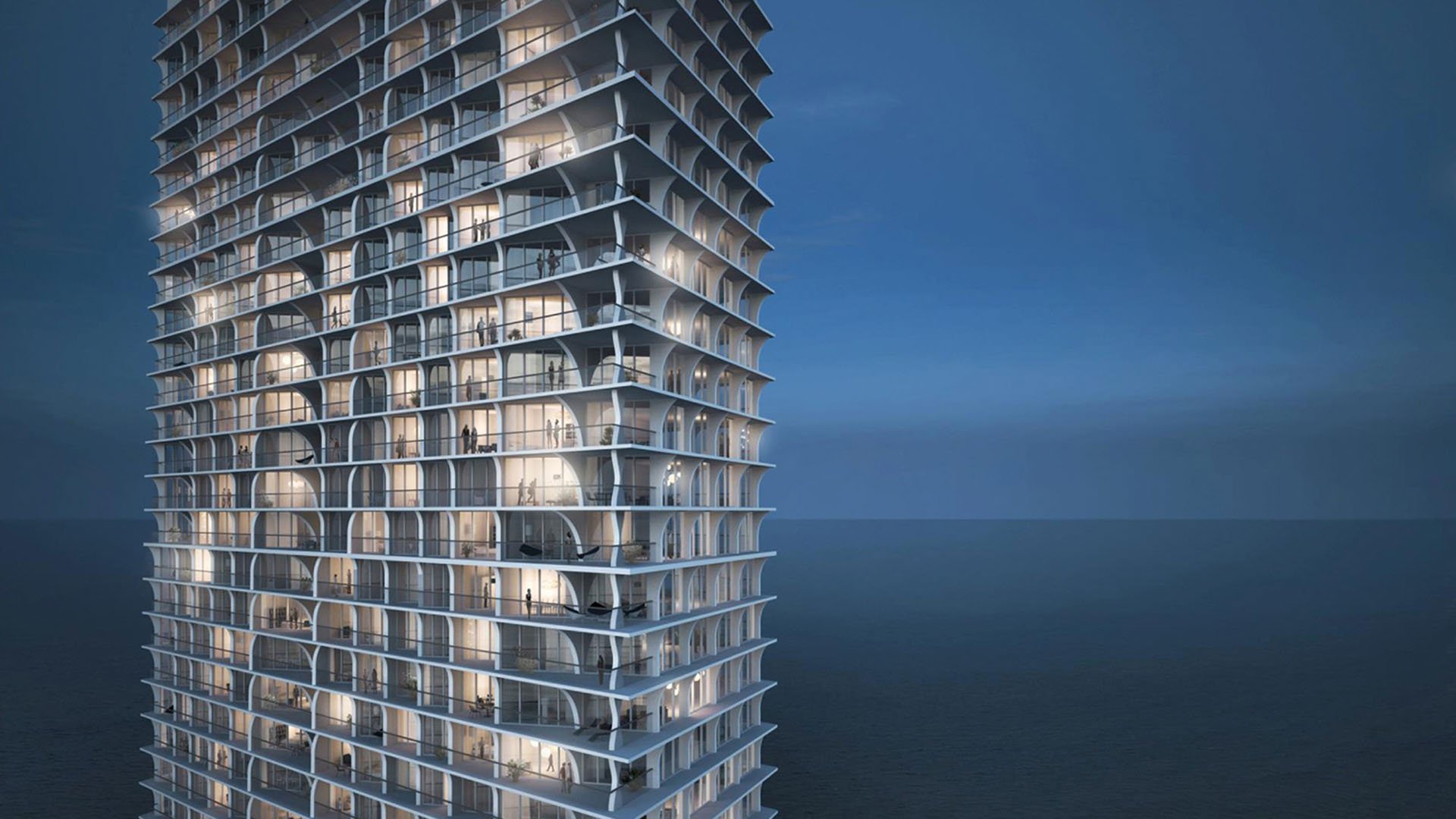
For a buyer considering Jade Signature Sunny Isles Beach, water-related due diligence should be neither casual nor alarmist. The 57-story oceanfront condominium at 16901 Collins Avenue required specialized groundwater-control measures for its below-grade garage during construction. That history warrants careful review, but it does not establish a systemic post-completion water-intrusion problem.
The relevant question is not whether water was managed during construction. It was. The question is how the completed tower, the specific residence, its vertical stack, and its assigned parking area have performed over time. A disciplined buyer’s-guide approach favors records, physical testing, and clearly allocated responsibility over inference.
Construction-phase groundwater control kept the garage excavation dry enough for material removal and continued work. That demonstrates a successful construction process at that stage; it does not substitute for the building’s subsequent leak, drainage, pump, membrane-repair, or inspection history.
Ask the association for original and subsequent documents addressing water penetration, flooding, façades, glazing, roofs, decks, and garage monitoring. The strongest file will show not only whether an issue appeared, but where it occurred, how it was investigated, what was repaired, who designed or supervised the remedy, and whether follow-up testing confirmed performance.
This distinction matters across Sunny Isles Beach, whether comparing a resale opportunity at Jade Signature with Jade Ocean Sunny Isles Beach or evaluating a newer option such as Bentley Residences Sunny Isles. Architectural pedigree and visual condition matter, but neither replaces property-specific engineering records.
Request several years of board and committee minutes, engineering studies, repair proposals, executed contracts, inspection notices, insurance claims, and reserve materials. Search for references to leaks, sealants, glazing, roofs, balconies, planters, decks, drains, pumps, garage seepage, staining, waterproofing, and mold.
Read the documents chronologically. A complaint followed by an investigation, a scoped repair, testing, and closure presents a different risk profile from recurring references without documented resolution. Note repeated locations, vertical lines, elevations, and garage zones. Determine whether any current work, unresolved claim, insurance dispute, or anticipated expenditure could affect the residence or the association’s finances.
Court-record and association-disclosure searches should focus on Jade Signature itself. Litigation involving neighboring Jade Beach during Jade Signature’s construction concerned alleged debris and damage to the neighboring property, not a documented water-intrusion defect claim against Jade Signature. Separate Jade Beach disputes involving balcony runoff may provide context, but they are not evidence of the same condition in the subject tower.
A conventional visual walkthrough is insufficient. Engage an inspector or engineer experienced with coastal high-rise envelopes, and request moisture readings at window and door perimeters, terrace thresholds, exterior-facing walls, ceilings, and areas showing repaired finishes or staining. The inspection should also assess drainage paths, sealant condition, visible cracking, and evidence of prior drywall replacement.
Balcony conditions deserve particular attention. Surface tile may appear renewed while the underlying membrane, slope, drain, threshold, or adjoining assembly remains the true source of leakage. Review complaints and repairs involving the units directly above and below, along with other residences in the same line. A balcony issue can originate elsewhere and become visible in the residence being purchased.
The seller’s file should include disclosures, invoices, photographs, insurance correspondence, and records of window or door resealing, terrace work, water staining, drywall replacement, and mold remediation. Compare those materials with association records and the physical inspection. Any inconsistencies warrant further inquiry before the inspection period expires.
Visit the assigned parking space and trace its route through the garage. Look for visible seepage, cracking, staining, patched surfaces, active collection measures, or nearby drainage and pump infrastructure. Ask whether the area appears in inspection logs or repair scopes and whether groundwater-related systems are monitored and maintained.
Envelope testing should be designed by the appropriate specialist, not improvised. Based on observed conditions and permissions, the professional can determine whether non-invasive moisture mapping, targeted water testing, infrared review, or a limited opening of finished surfaces is justified. The purpose is to connect symptoms to a probable source without causing unnecessary damage.
The same discipline applies when comparing neighboring luxury choices such as Armani Casa Sunny Isles Beach and The Ritz-Carlton Residences® Sunny Isles. Comparable views and finishes do not imply comparable envelope histories. Each building and residence requires its own record trail.
Responsibility for condominium water damage in Florida depends on the source, the damaged property, and the governing documents. Buyers should not assume that either the owner or the association always pays. Have qualified Florida counsel review the declaration, maintenance provisions, limited-common-element language, insurance obligations, and any amendments relevant to windows, doors, terraces, waterproofing, and interior finishes.
If evidence of damage emerges, preserve photographs, readings, correspondence, and invoices. Prompt notice to the appropriate insurer or association may matter, as may changing pre-suit and filing deadlines. Legal and insurance advice should reflect the specific facts and current law.
Does Jade Signature have a proven systemic water-intrusion problem? The supplied facts do not establish one. Buyers should rely on current records for the building, residence, vertical stack, and garage.
Why does the construction dewatering history matter? It explains how groundwater was controlled during excavation, but it does not prove long-term garage performance.
Which association records are most important? Prioritize engineering studies, board minutes, repair contracts, inspection records, insurance claims, and reserve materials.
Should the neighboring Jade Beach litigation affect my decision? Treat it as context only. Its construction-debris allegations are not proof of water defects at Jade Signature.
What should an envelope inspection cover? Include moisture readings, glazing perimeters, thresholds, drainage, staining, cracking, and the assigned parking area.
Why review units above and below? Water can travel through a vertical stack, so visible damage may be remote from its source.
Is replaced terrace tile enough reassurance? No. Review the membrane, slope, drains, thresholds, affected ceilings, and post-repair testing.
Who pays for condominium water damage? Responsibility varies with the source, the damaged property, the governing documents, and applicable insurance.
What should the seller disclose? Request records of resealing, terrace work, staining, drywall replacement, insurance claims, and mold remediation.
When should specialists become involved? Engage an envelope professional and Florida counsel before closing when records, testing, or responsibility remain unclear.
For a discreet conversation and a curated building-by-building shortlist, connect with MILLION.
If branded residences are on your mind — as a home or as an allocation — we would be glad to share what we are seeing, privately.
Begin a quiet conversation