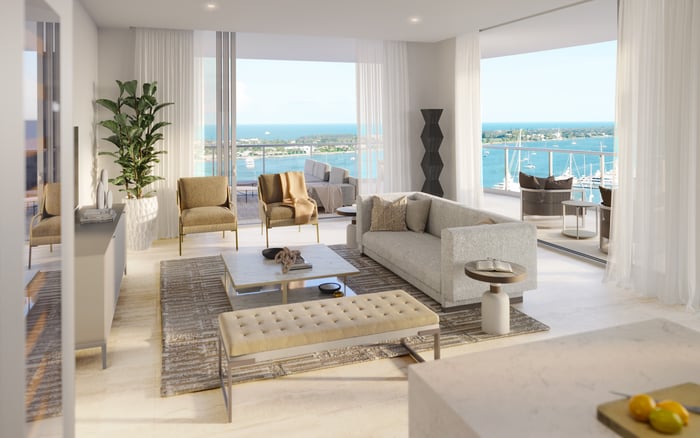
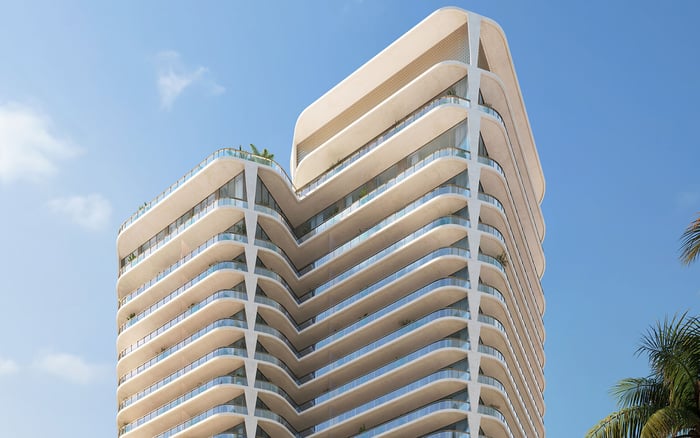
A practical framework for reviewing windstorm deductibles, funding sources, allocation provisions and HO-6 loss-assessment terms when considering Edgeworth West Palm Beach.
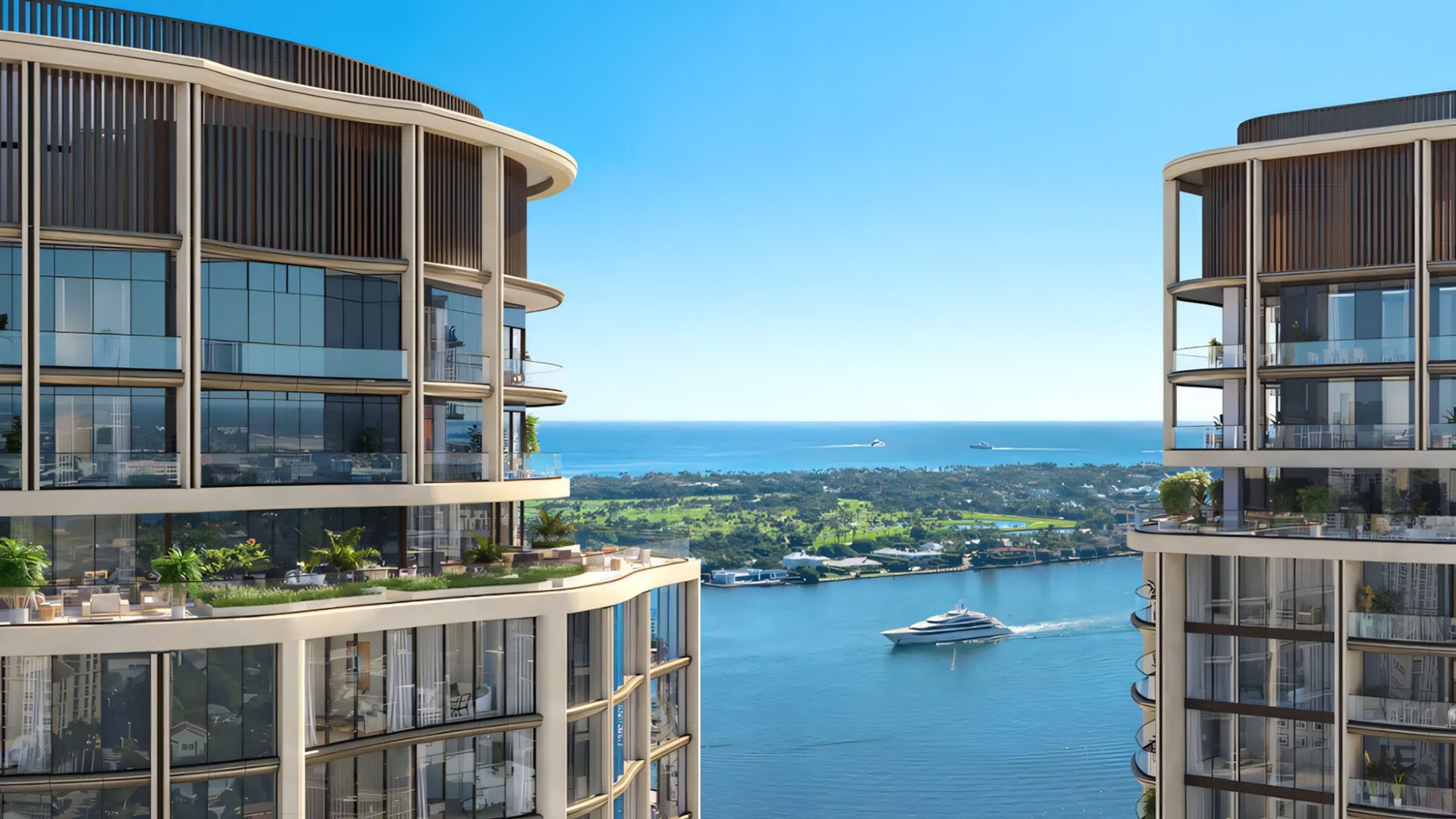
A buyer considering Edgeworth West Palm Beach can treat windstorm exposure as a document-review and liquidity-planning exercise. The objective is to determine what the condominium’s controlling documents and issued insurance policies require, then estimate how an unfunded amount could affect the residence under consideration.
Marketing materials should not substitute for the declaration, budget, insurance policies, endorsements or unit-specific allocation provisions. If final documents or issued policies are not yet available, record each missing item as an open diligence question rather than treating an estimate as a confirmed term.
Start by requesting the master policy’s insured value, windstorm deductible, deductible calculation basis and covered-property definition. Ask whether different deductibles apply to different causes of loss, buildings or policy layers. A qualified insurance adviser can help interpret how the policy language applies to a particular scenario.
For planning purposes, organize the analysis as follows:
Potential owner exposure = modeled association shortfall × the residence’s applicable allocation share.
The association shortfall should be modeled only after identifying the relevant deductible, insurance proceeds, available funds and any uninsured or excluded amount. The allocation share should come from the governing documents rather than from an assumed equal division among residences.
Use several scenarios instead of relying on one estimate. Change one input at a time so the effect of the deductible, available funds, coverage limitations and allocation method remains visible. Label every unverified input clearly.
Ask condominium counsel to identify the provisions governing common expenses, insurance losses, deductibles and special assessments. The review should answer whether the selected residence has a stated percentage interest, whether a different allocation applies to a particular expense and what approval process governs an assessment.
The central question is not merely the size of an association-level deductible. It is how the documents convert a possible association obligation into a residence-level obligation and when payment could become due.
Request the proposed or current budget and any schedule identifying funds designated for insurance-related obligations. Confirm whether the documents permit those funds to be used for the modeled event and whether any competing obligation could affect availability.
Avoid subtracting a reserve or other balance from the model until its purpose and permitted use have been verified. Keep separate lines for the policy deductible, excluded property, coverage limitations and repairs outside the insurance claim so that distinct issues are not blended into one estimate.
Ask the owner-policy adviser to review loss-assessment coverage in the context of the condominium’s documents and master policy. The review should address the covered cause of loss, applicable limits, exclusions, deductibles, sublimits, notice requirements and the timing of the association’s action.
Do not assume that a headline loss-assessment limit answers every scenario. Request a written explanation of how the proposed policy would respond to an assessment tied to the master-policy deductible, an uncovered item or a coverage shortfall.
A comparison set can help a buyer apply the same diligence process across West Palm Beach options. Alongside Edgeworth, that set may include Forté on Flagler West Palm Beach, Shorecrest Flagler Drive West Palm Beach and The Ritz-Carlton Residences® West Palm Beach.
The purpose is not to presume that the projects use the same insurance, reserve or assessment structure. Use a common checklist while evaluating each project solely through its own governing documents, budgets and policy materials.
Before signing, separate verified terms from assumptions and unresolved questions. Ask counsel to review the governing documents, ask an insurance adviser to review the master and HO-6 policies, and model the residence’s potential share under more than one scenario.
This process cannot predict a future claim. It can, however, give the buyer a clearer framework for discussing potential owner exposure, insurance choices and liquidity planning before making a decision.
What should an Edgeworth buyer verify first? Start with the actual deductible, its calculation basis and the property covered by the master policy.
How can a buyer estimate residence-level exposure? Model the association’s possible unfunded amount, then apply the allocation method stated in the governing documents.
Should the deductible be divided equally among all residences? Do not assume an equal division. Use the allocation provisions applicable to the selected residence and expense.
Which condominium documents deserve review? Request the declaration, bylaws, budget, assessment provisions and any materials identifying funds available for insurance obligations.
Why should available funds be verified? A stated balance may have a designated purpose or limits on its use, so its availability for a modeled event requires confirmation.
What master-policy materials should a buyer request? Ask for the policy, endorsements, deductible terms, insured values and covered-property definitions available for review.
What should be checked in an HO-6 policy? Review loss-assessment coverage, exclusions, deductibles, sublimits, notice requirements and the causes of loss to which coverage applies.
Who should interpret the governing documents? A buyer can ask qualified Florida condominium counsel to explain allocation, assessment and payment provisions.
Who should review the insurance policies? A qualified insurance adviser familiar with condominium master policies and owner coverage can evaluate the proposed terms.
How should unconfirmed terms be handled? Mark them as assumptions, test more than one scenario and replace them with verified terms when controlling documents become available.
For a discreet conversation and a curated building-by-building shortlist, connect with MILLION.
If branded residences are on your mind — as a home or as an allocation — we would be glad to share what we are seeing, privately.
Begin a quiet conversation