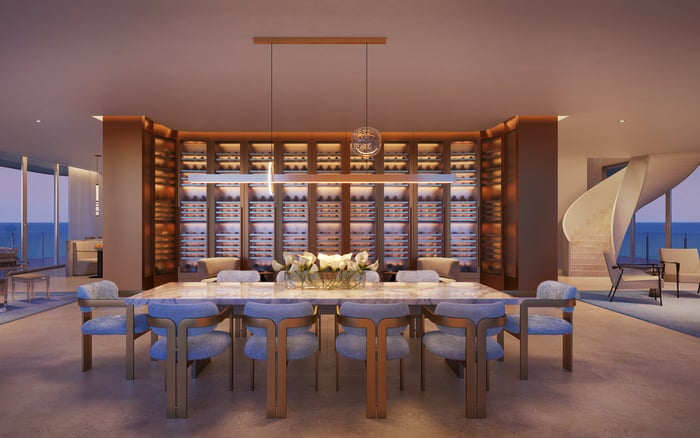
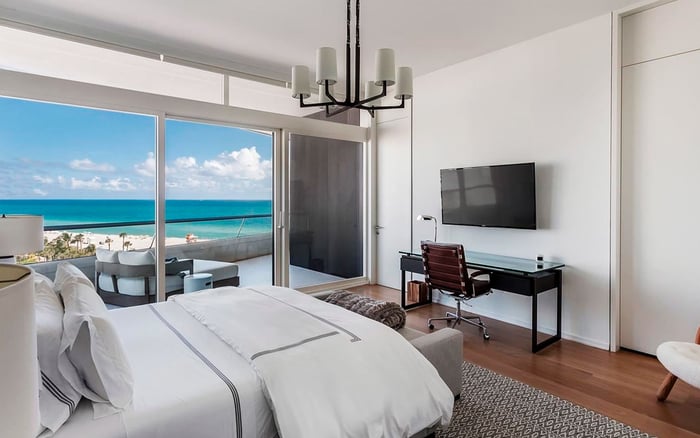
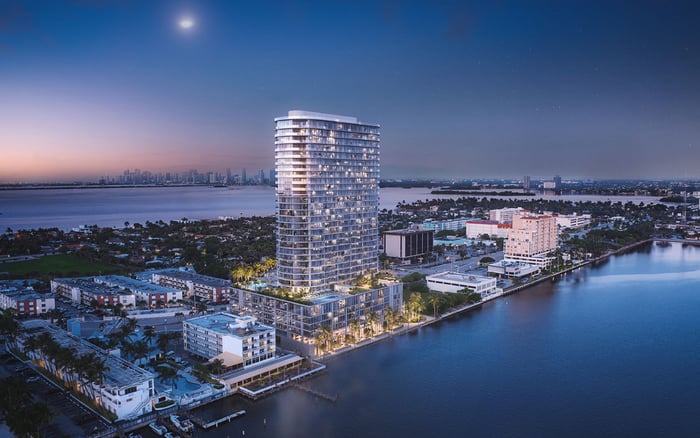
Delano’s Downtown residential concept and its Collins Avenue hotel heritage are distinct propositions. Buyers should test operating hours, staffing commitments, club terms and any beach privileges against binding documents rather than brand association.
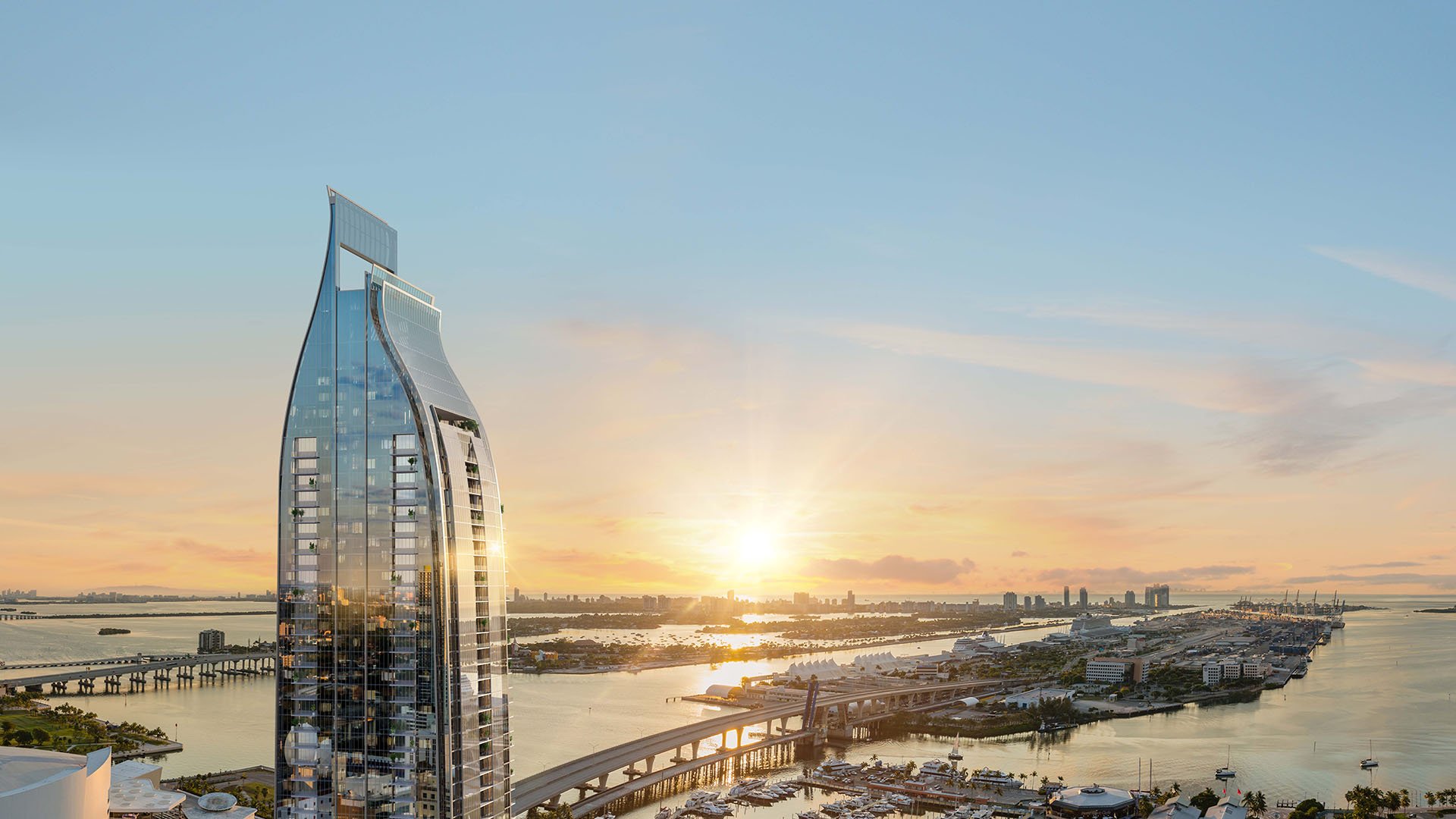
The Delano name defines two different Miami propositions. The historic Delano Miami Beach hotel occupies 1685 Collins Avenue, where the brand became associated with a theatrical lobby, pool scene and beach-oriented South Beach lifestyle. Delano Residences Miami, by contrast, is a separate branded condominium planned for 400 Biscayne Boulevard in Downtown Miami.
That distinction should frame every buyer conversation. The Downtown address is an urban site, not an oceanfront parcel. Its resort proposition is expected to center on a pool, fitness center, spa facilities, The Source by Delano wellness concept, Delano Members’ Club and Rose Bar rather than direct access to the sand. The hotel’s beach operations may illustrate the brand’s hospitality language, but they do not establish residential rights.
The planned Delano Residences & Hotel Miami is approximately 966 feet tall, rises about 90 stories and is designed to contain 421 residences. Homes are expected to range from studios to three bedrooms, with announced pricing starting around $800,000. PMG Residential is slated to manage sales and marketing, and the development schedule is approximately five years.
A resort-living promise is only as useful as the hours, staffing and access rights behind it.
The Miami Beach hotel’s pool and beach hours run from 10:00 AM until sunset, with towels provided at both. For buyers imagining sunrise swims, early chair setup or staffed nighttime beach use, that window matters. It defines a daytime service model, not around-the-clock beach hospitality.
It also illustrates why the word “access” demands precision. A guest may be able to reach the beach outside staffed hours, while chair placement, towels, attendants, food and beverage, or safety support follow a narrower schedule. The practical luxury is not merely proximity to the ocean. It is knowing which services are available, when they begin and what happens after sunset.
These hotel hours are an operating benchmark only. They are not commitments for the separate Downtown condominium.
No residential schedule currently establishes hours for the Downtown pool, spa, fitness spaces, club programming, attendants or food service. The hotel’s 10:00 AM-to-sunset window should not be imported into a residential purchase analysis as either a benefit or a limitation. It applies to the Collins Avenue operation.
Likewise, the Delano name alone does not give a Downtown owner access to the Miami Beach hotel’s beach facilities. Any reciprocal arrangement should appear in binding purchase, condominium or club documents, clearly defining eligible users, the reservation process, included services, blackout dates, guest rules, transportation and charges.
This is where beach-access language merits close reading. Buyers comparing the urban Delano concept with an ocean-oriented property such as Setai Residences Miami Beach or The Perigon Miami Beach should distinguish physical waterfront adjacency from contractual hospitality service. Miami Beach geography answers one question. Staffing and operating documents answer another.
Current Delano Residences details do not establish seasonal staffing levels or guaranteed hours for pool attendants, spa teams, food service and club programming. That absence makes the proposed association budget and staffing plan essential due-diligence materials.
Ask whether service levels are fixed throughout the year or adjusted according to occupancy, season, events and resident demand. A polished amenity deck can depict the space; it cannot establish how many people will operate it on a quiet summer weekday, during a major event weekend or over holiday peaks.
The most useful questions are operational. Will pool attendants be present whenever the deck is open? Are spa reception and treatment staff employed daily or available by appointment? Does the Rose Bar maintain resident hours independent of private events? Can the Members’ Club close for programming, and do residents receive priority? Is food and beverage delivered by permanent staff, a hotel operator or a third party? Who bears the cost when labor, insurance or operating expenses rise?
Buyers should also examine the distinction between an association amenity and a separate club benefit. A club can carry its own dues, guest policies, booking priorities and suspension rights. The purchase agreement should reveal whether membership is included, mandatory, transferable or subject to later pricing changes.
Delano enters a Downtown Miami market where branded hospitality shapes buyer expectations. Its site is beside Waldorf Astoria Residences Downtown Miami, making operating detail especially relevant. Buyers can compare not only architecture and views, but also who controls the amenities, how residential priorities are protected and which services carry separate fees.
The same discipline applies when considering Aston Martin Residences Downtown Miami or other branded residences. A recognizable name may set expectations for design and atmosphere, yet the condominium declaration, management structure, annual budget and service agreements determine the lived experience.
The key is to compare like with like. Downtown delivers immediate urban access and skyline living. Miami Beach offers a coastal setting. Neither geography guarantees a particular staffing ratio, reservation priority or service window.
Before signing, request the proposed condominium documents, association budget, staffing plan, amenity schedules, guest-access rules and club terms. If beach privileges influence the decision, request the complete written beach-access agreement rather than relying on a sales discussion.
Then model actual use. Early risers should ask what opens before 10:00 AM. Frequent hosts need clarity on guest limits and club reservation policies. Wellness-focused owners should confirm spa booking access, treatment availability and whether The Source by Delano programming is included or separately charged. Second-home buyers should understand whether quieter periods bring reduced service and whether special events restrict resident spaces.
Finally, distinguish fixed obligations from discretionary programming. Building security, maintenance and core operations belong in one category. Bar hours, treatments, events and beach arrangements may belong in another. The clearer that boundary becomes in writing, the easier it is to value the residence on its own merits while treating hospitality additions with appropriate caution.
The Delano proposition can be compelling because it translates a storied social identity into a vertical Downtown setting. For a sophisticated buyer, however, the decisive luxury is clarity: where service occurs, when it operates, who delivers it and which document makes it enforceable.
For discreet guidance on Delano and South Florida’s finest residences, connect with MILLION.
If branded residences are on your mind — as a home or as an allocation — we would be glad to share what we are seeing, privately.
Begin a quiet conversationNo. The residences are planned for 400 Biscayne Boulevard in Downtown Miami, while the historic hotel is at 1685 Collins Avenue in Miami Beach.
The Downtown site is not oceanfront. Its announced resort offering centers on pool, spa, wellness and club amenities rather than direct beach access.
The hotel’s pool and beach hours run from 10:00 AM until sunset.
Yes. Towels are provided for use at both facilities.
No. The hotel schedule should not be treated as a guaranteed operating schedule for the separate Downtown residences.
No such privilege is established by the project details described here. Buyers should require any reciprocal access arrangement to appear in binding documents.
Current details do not establish seasonal staffing levels or guaranteed hours for attendants, spa teams, food service or club programming.
Plans include a pool, fitness center, spa facilities, The Source by Delano wellness concept, a Delano Members’ Club and Rose Bar.
The tower is planned at approximately 966 feet and about 90 stories, with 421 residences.
Request the condominium documents, proposed budget, staffing plan, amenity schedules, guest rules, club terms and any written beach-access agreement.