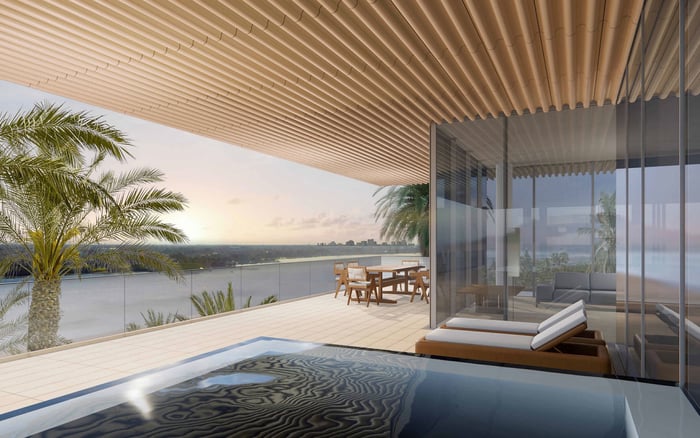
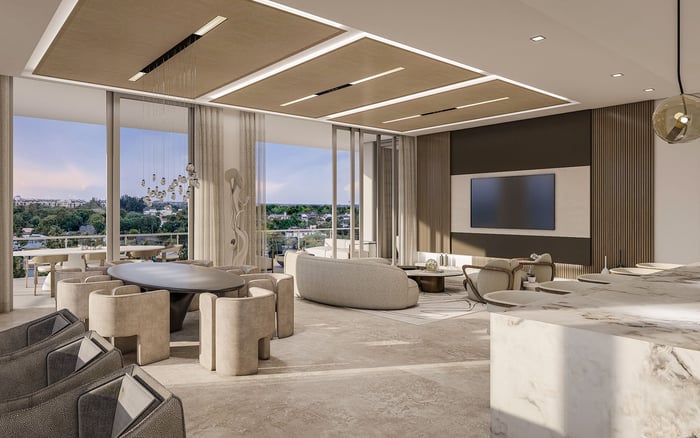
Banyan Tree Residences West Palm Beach pairs planned social spaces with a hospitality-led residential concept. For buyers who entertain, the decisive details are written permissions, catering access, guest logistics, and event costs, not amenity names alone.
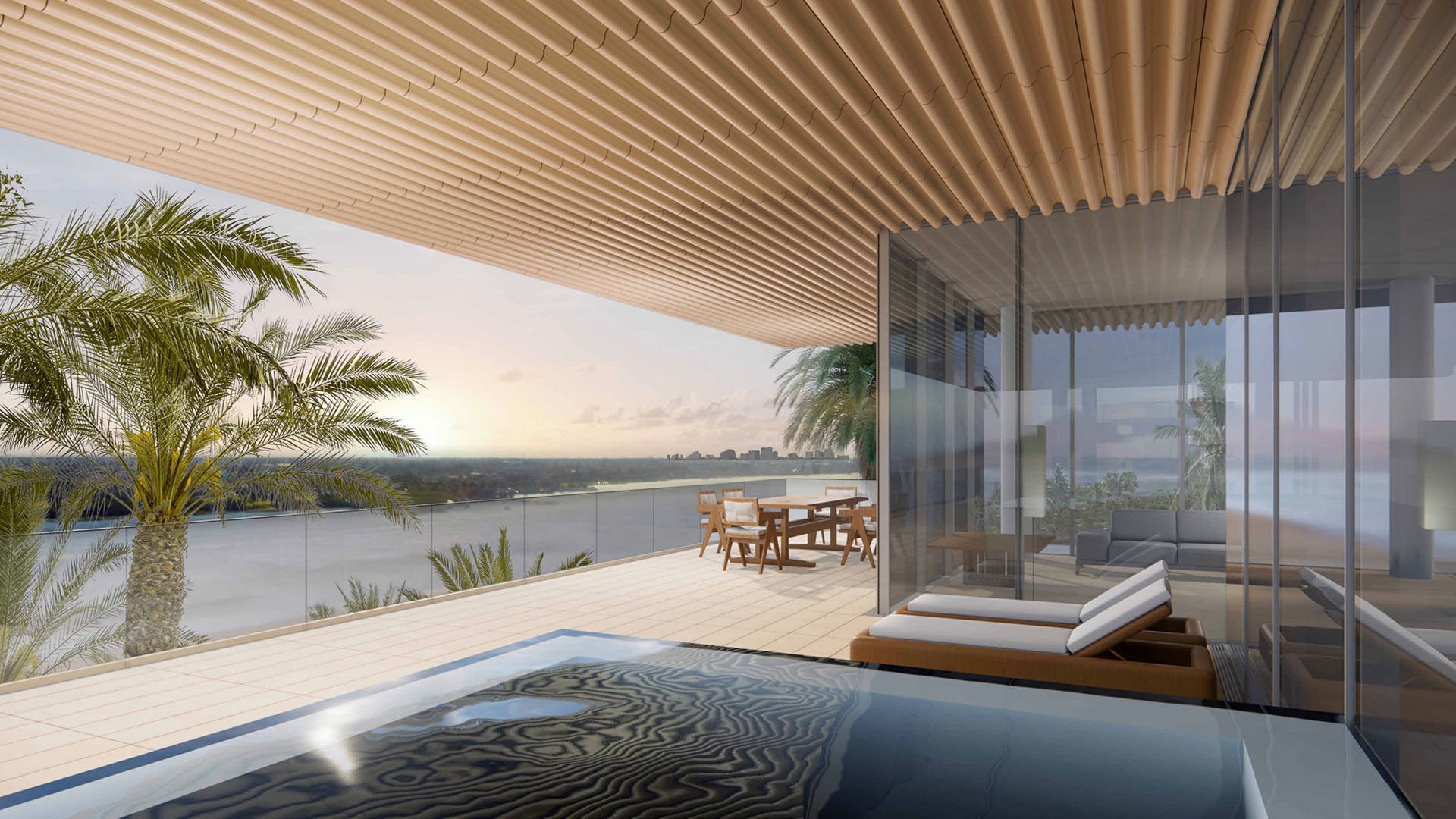
An elegant residential dinner depends on more than a beautiful room. Guests must arrive smoothly, food must reach the table properly, and the host must know exactly when the evening needs to end. At Banyan Tree Residences West Palm Beach, these practical details deserve as much attention as the planned social spaces.
The development is presented as a planned 25-story condominium tower with 88 residences in downtown West Palm Beach. The residential offering comprises one- to four-bedroom corner homes, with hospitality, wellness, and gathering spaces planned across multiple levels.
For buyers who entertain, the central distinction is simple: an advertised venue is not a confirmed right to host. A private dining room is listed, but its capacity, reservation terms, and catering arrangements remain unestablished. Evaluate the setting separately from the permissions required to use it.
Begin by asking whether the dining room can be reserved exclusively and whether an owner must remain present throughout an event. Confirm guest limits, seating configurations, and whether setup and breakdown count toward the reservation period. None of these operating details is established in the available amenity descriptions.
The planned garden bar and lounge and speakeasy broaden the social offering. A resident lounge and entertainment areas are also listed. These names, however, do not establish that an owner can close a space to other residents, move a dinner party between venues, or extend a reservation into adjacent areas.
Private wine storage is another listed amenity, but allocations and service charges are unspecified. Ask how bottles may be retrieved, whether wine may be brought into the dining room, and whether handling or service charges apply. Storage and tableside service are distinct offerings.
For buyers also considering Mr. C Residences West Palm Beach, the meaningful comparison lies in the documents: request equivalent dining-room permissions and fee disclosures from each property rather than assuming hospitality branding delivers identical access.
A dining room does not, by itself, confirm a catering operation. In-residence chefs, custom menus, restaurant-to-residence delivery, outside caterer access, and concierge event planning are not established offerings here. Nor should the advertised juice bar, serving fresh elixirs and nourishing blends, be interpreted as an event kitchen.
Request a written catering and vendor policy covering both private residences and shared amenities. The most useful questions follow the event from preparation through departure:
Vendor eligibility: Are outside chefs and caterers permitted, and what approval or insurance documentation would they need?
Food preparation: Is any kitchen available to vendors, and is it intended for cooking, reheating, or plating only?
Building access: Where would deliveries enter, and what elevator access and delivery windows would apply?
Service responsibilities: Who would provide staff, tableware, linens, alcohol service, and final cleanup?
These are questions to resolve, not descriptions of existing policy. Owners who prefer a familiar chef need that vendor's eligibility confirmed before treating the dining room as an extension of home. Permission to deliver food would not necessarily establish permission to cook onsite.
Before assigning value to entertaining access, request the declaration, applicable condominium rules, amenity reservation agreement, catering/vendor policy, and current fee schedule. Have counsel distinguish contractual commitments from amenity descriptions and identify operating terms that remain subject to future determination.
The review should cover booking windows, reservation frequency, guest caps, operating hours, sound restrictions, deposits, cleaning charges, minimum spends, and cancellation terms. Those details are not established here. Ask who approves events, what happens if a booking is declined, and whether personal celebrations and professional gatherings are governed by different rules.
Meeting areas are part of the planned offering and are relevant to buyers contemplating a small business gathering. Their presence does not establish permission for client receptions, presentations, or recurring professional use.
When weighing Alba West Palm Beach alongside Banyan Tree, bring the same event brief to each discussion. A defined guest count, preferred caterer, desired timing, and service expectations provide a more meaningful comparison than an amenity tally.
A private porte cochère is identified for the project, and valet parking and concierge services are listed. These features matter to an arrival plan, but they do not establish complimentary guest parking, guest-list preregistration, elevator permissions, or dedicated event staffing.
Ask how visitors would be admitted and directed to the reserved space, whether parking charges would fall to the host, and how vendor arrivals would be separated from guest arrivals. Confirm whether any staff assistance would need to be arranged independently.
Then request an itemized estimate for a hypothetical event. Separating venue charges, food service, staffing, parking, and cleanup, where applicable, makes the potential commitment easier to assess without presuming that any particular charge exists.
The planned resort-style pool, private poolside cabanas, open-air cinema, and golf simulator/screening room offer additional settings to consider. Permission to host dinner, however, would not establish access to those amenities for the same guests. Ask about visitor eligibility and reservations for each intended activity.
This distinction is especially important for wellness. A full floor is planned around wellbeing, including a full-service spa and reflection and meditation garden. Advertised facilities include treatment rooms, hammam, steam and sauna facilities, soaking baths, cold plunge, and cryotherapy. Do not assume these allow owner-hosted spa days or unrestricted visitor use.
Advertised Sanctuary Club benefits include preferred access to Banyan Group properties, priority reservations, and exclusive owner rates across dining, spa, and golf. Evaluate these benefits separately from onsite private-event services; they do not establish catering access at the residence.
The neighborhood dining selection includes Buccan, Café Boulud, Estiatorio Milos, Le Bilboquet, Palm Beach Grill, RH Rooftop Restaurant, and Sant Ambroeus. Buyers envisioning evenings around West Palm Beach and Palm Beach should assess restaurant arrangements independently. Inclusion does not establish partnerships, opening status, guaranteed reservations, or private-event availability.
Ultimately, the strongest entertaining proposition fits your actual routine and is confirmed in writing. Define the dinner, reception, or family gathering first, then confirm the space, service, permissions, and cost required to deliver it.
For a discreet assessment of South Florida residences through the lens of your hosting priorities, connect with MILLION.
If branded residences are on your mind — as a home or as an allocation — we would be glad to share what we are seeing, privately.
Begin a quiet conversationThe project is presented as a planned 25-story condominium tower with 88 one- to four-bedroom corner residences and hospitality, wellness, and social amenities.
A private dining room is listed, but its capacity, reservation terms, and catering arrangements are not established.
Outside-chef and caterer access is unconfirmed. Buyers should obtain written vendor eligibility, insurance, delivery, and kitchen-use requirements.
In-residence chefs, custom menus, and restaurant-to-residence service are not established offerings. A listed dining room should not be treated as confirmation of those services.
Private wine storage is listed, but allocations and service charges are unspecified. Confirm retrieval arrangements and permissions for using stored wine during events.
Request the declaration, applicable condominium rules, amenity reservation agreement, catering/vendor policy, and current fee schedule. Have counsel review commitments and any unresolved operating terms.
Guest caps, booking windows, operating hours, minimum spends, deposits, cleaning charges, and cancellation terms are not established. Obtain written terms before relying on a particular hosting arrangement.
No. These listings do not establish complimentary guest parking, guest-list processing, elevator permissions, or dedicated event staffing.
Guest access to pool and wellness amenities must be confirmed separately. Dining-room access would not establish permission to use other facilities.
No. Advertised benefits include preferred property access, priority reservations, and exclusive owner rates across dining, spa, and golf, not confirmed onsite private-event catering.