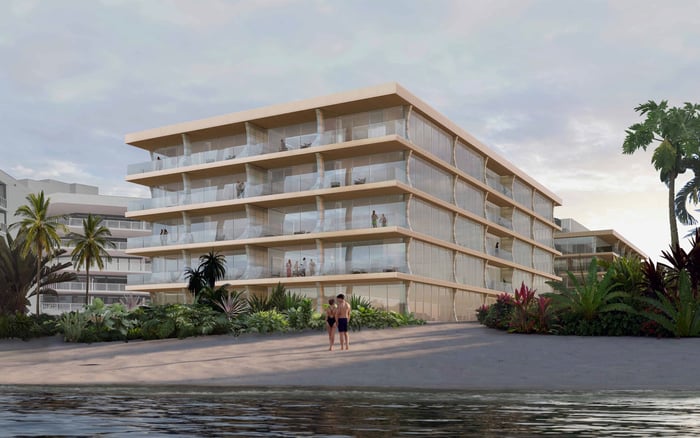
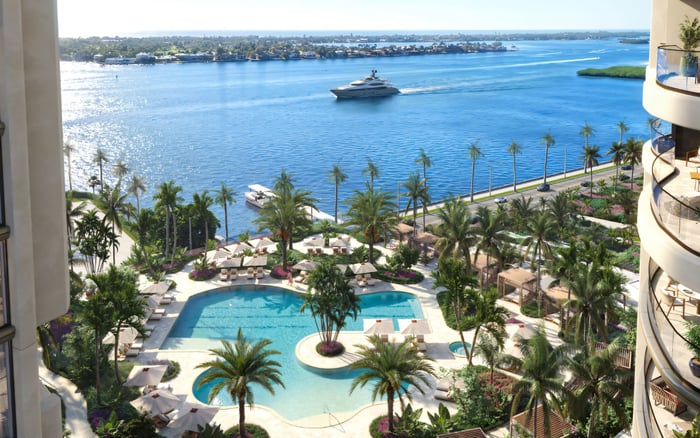
A discreet buyer’s framework for assessing neighboring development rights, waterfront sightlines, construction logistics, and absentee-owner exposure in West Palm Beach.
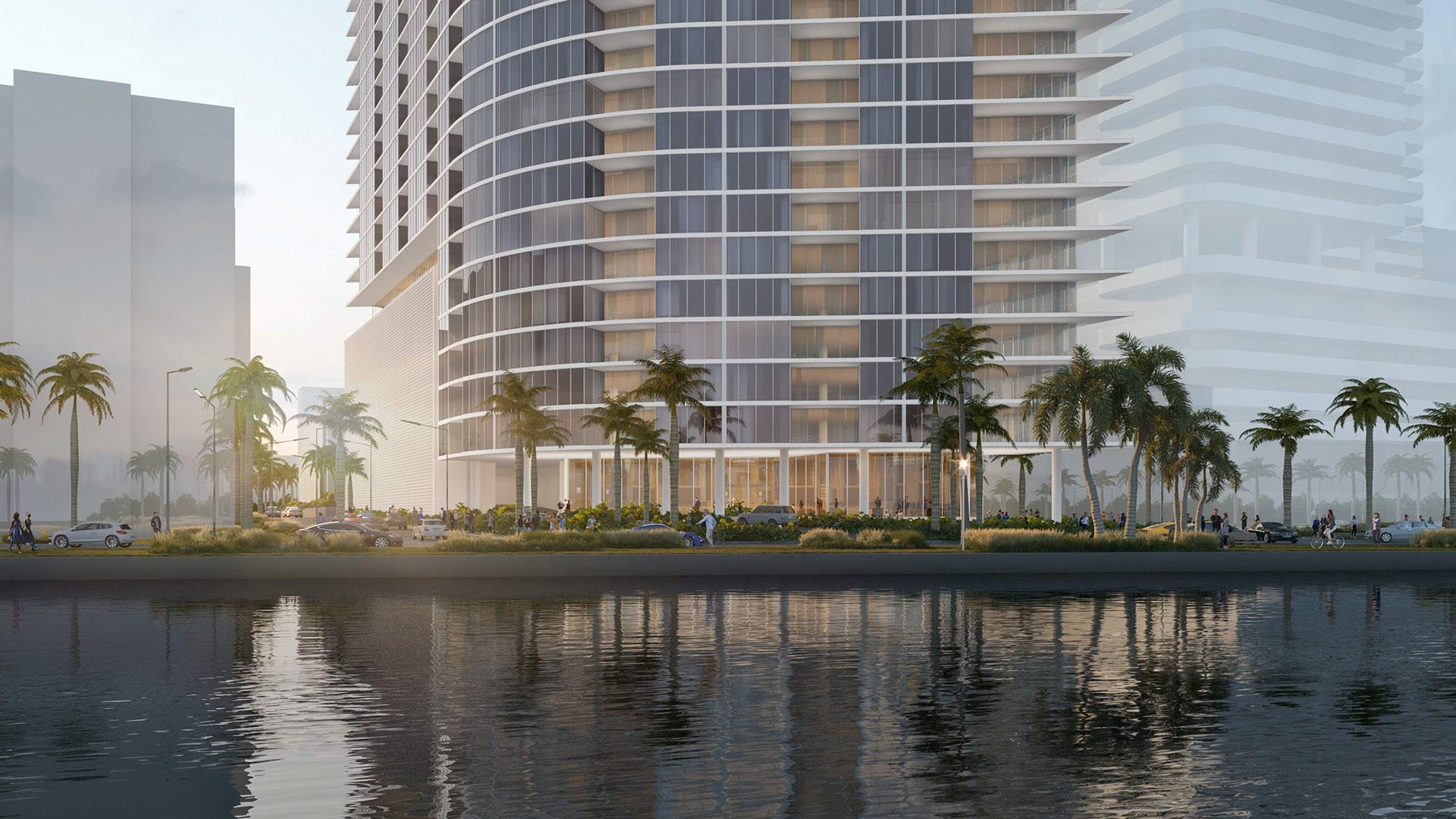
A lock-and-leave residence promises an uncomplicated arrival: a prepared apartment, effortless access, and the pleasure of familiar water views. Yet that experience depends on more than the building itself. Neighboring development rights, construction staging, and street improvements can shape what an owner sees, hears, and encounters between the garage and the terrace.
A useful audit separates enduring exposure from temporary disruption. A future building envelope belongs in the first category; cranes, deliveries, and construction noise belong in the second. Neither should be inferred from a sales rendering or a single quiet weekend visit. A beautiful outlook is a present condition, not necessarily a protected right.
Start with the parcels that matter to the specific residence, not simply the nearest development. Map the outlook from principal living spaces, bedrooms, and terraces, including oblique views. Include parcels that affect garage approaches and pedestrian access, even when they fall outside the main sightline.
Use current zoning, future-land-use, and applicable historic-district maps as starting points, not substitutes for a parcel-level review. Ask a qualified adviser to examine applicable zoning, overlays, approved site plans, development orders, variances, pending applications, and development agreements.
The deliverable should distinguish what may be built under existing rules from what requires additional approvals. Record the status and date of each finding. A planning-board recommendation, a final approval, and a construction start represent different levels of certainty. Identify unresolved conditions and the further action required before work could proceed.
Do not assume that a rule or proposal discussed for downtown Flagler Drive also applies to South Flagler or the northern waterfront. For each relevant parcel, confirm the geographic boundaries of the applicable rules and whether any proposed changes have been adopted.
For a buyer considering Forté on Flagler West Palm Beach, the question remains which rules and approvals govern each parcel affecting the chosen residence. A broader planning vision should not substitute for that review or be treated as a guarantee of protected views.
If a pause on applications or another temporary restriction appears in the records, have counsel confirm its scope, effective dates, and exceptions. Do not assume that a restriction on one type of application prohibits all construction.
Buyers evaluating Alba West Palm Beach should likewise verify the identity of each nearby proposal. Keep separately named developments, advisory recommendations, and final decisions distinct in the purchase file.
If a purchase depends on an enduring outlook, have counsel examine whether any enforceable view protection exists and what it covers. Do not infer an easement or protected sightline from a rendering, an open parcel, or the residence’s current view.
Request a sightline study using the residence’s actual elevation and orientation, tested against neighboring permitted envelopes and approved plans. Distinguish the loss of a central water view from the narrowing of a peripheral corridor. Evaluate privacy as well: a future building may introduce overlooking without fully blocking the horizon.
Do not assume that a higher floor resolves every concern. Ask the study to distinguish existing conditions, approved development, and hypothetical buildout under current rules. The objective is a clear visual record of risk, not a promise that the skyline will remain unchanged.
When reviewing Shorecrest Flagler Drive West Palm Beach or surrounding parcels, confirm the current stage of each relevant development before assessing temporary disruption. A proposal awaiting approvals calls for a different review from a site with documented construction activity.
Apply the same discipline when considering Banyan Tree Residences West Palm Beach. Plans and incentive requests should not be treated as completed entitlements or confirmed construction schedules; verify the records relevant to the purchase.
For relevant nearby sites, request contractor logistics plans covering crane locations, swing radii, staging areas, loading zones, truck routes, and temporary closures. Ask whether those plans are approved, provisional, or awaiting revision. Seek confirmation of construction hours and anticipated noisy work rather than assuming a schedule or unit-level noise exposure.
A useful review separates the permanent building envelope from temporary equipment and tests both against the residence’s outlook and access routes. Unknown logistics should remain explicitly unresolved, not be recast as reassurance.
Visit bedrooms, terraces, amenities, and garage entrances at several weekday times. Listen with windows closed and open where appropriate. If quietness is central to the purchase, consider an acoustic assessment rather than relying on impressions alone. A quiet visit cannot predict every construction phase.
Public improvements deserve attention too. Ask whether planned or active street work could affect the routes used for arrivals, deliveries, or pedestrian access. Request documented schedules and temporary access arrangements rather than assuming disruption dates.
Extend the review to other nearby redevelopment sites that could affect those routes. Keep expressions of developer interest separate from filed applications, approvals, and confirmed work schedules.
Ask management how nearby work is communicated to absentee owners, who receives urgent notices, and how changes to delivery or garage access are handled. Review dust-management arrangements and whether an owner’s representative can respond while the residence is vacant.
Before committing, assemble a dated decision file covering parcel rights, view analysis, construction logistics, and management responses. Separate documented conditions from unresolved questions. The aim is not to avoid every changing neighborhood, but to choose a residence whose foreseeable exposure is compatible with the way you intend to live.
For a considered approach to your next West Palm Beach residence, explore MILLION.
If branded residences are on your mind — as a home or as an allocation — we would be glad to share what we are seeing, privately.
Begin a quiet conversationReview surrounding parcel rights, unit-specific views, construction logistics, noise exposure, and access. Include management’s arrangements for notifying and assisting absentee owners.
Do not assume it does. Have counsel verify the restriction’s scope, effective dates, exceptions, and effect on existing approvals.
Do not treat a planning proposal as a view guarantee. Confirm adopted rules, parcel-specific approvals, and any enforceable view protections separately.
Do not assume a rule applies across the waterfront. Confirm its geographic boundaries and applicability to each parcel affecting the residence.
An existing outlook alone does not establish legal protection. Counsel should check for enforceable easements or other parcel-specific protections.
Examine zoning, overlays, approved site plans, development orders, variances, pending applications, and development agreements. Keep proposed changes separate from adopted rules and final approvals.
Keep an advisory recommendation distinct from a final approval or denial. Confirm which authority makes the final decision and whether further action remains necessary.
Request logistics plans identifying crane locations, swing radii, staging areas, truck routes, and temporary closures. Confirm whether those arrangements are approved or provisional.
No. Inspect the residence at several weekday times and consider an acoustic assessment if quietness is essential; one visit cannot predict every construction phase.
Ask how nearby-work notices, delivery changes, garage access, and dust-management issues are handled. Establish who can act for the owner while the residence is vacant.