A practical audit for Surfside second-home buyers: verify emergency access, leak escalation, mold qualifications, restoration coverage, and the owner-notification chain before relying on lock-and-leave convenience.

For a Surfside residence that may sit unoccupied between visits, lock-and-leave confidence should rest on more than a reassuring conversation. The essential questions are operational: who answers when water is discovered, who can enter the residence, which specialist is called, and how the owner learns what happened.
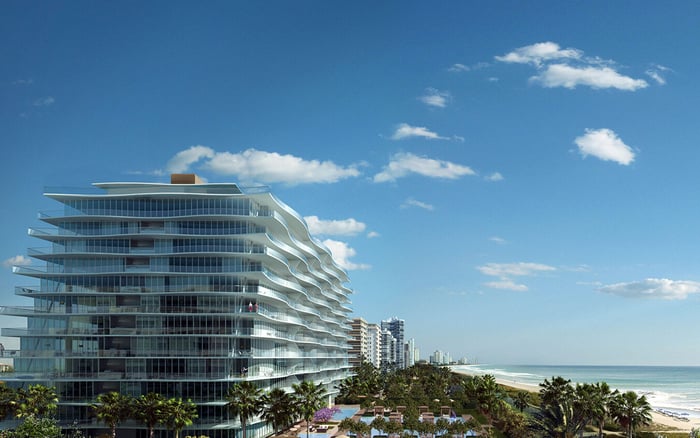
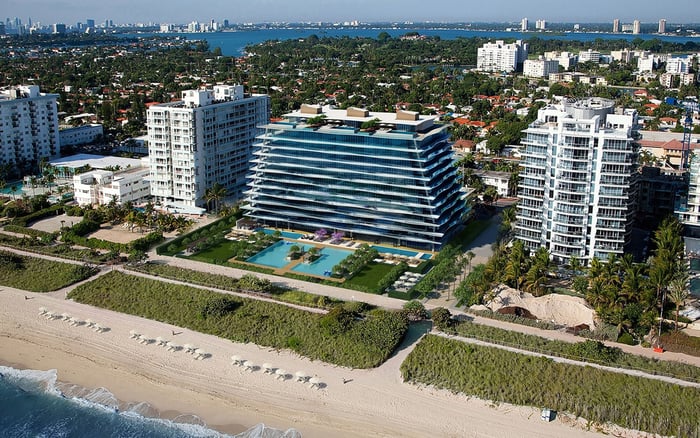
A buyer considering Arte Surfside should apply the same discipline as any purchaser evaluating an intermittently occupied condominium: request the response procedure, not simply an assurance that someone will handle it. The audit below is a framework for evaluating arrangements, not a statement about any named property's practices.
The objective is a documented chain of responsibility, from discovery through restoration. Each handoff should have a named decision-maker, an alternate, and a record the owner can retrieve.
Report a leak immediately to the property manager or building emergency line, then follow with written notice. Before leaving a residence unattended, ask management to identify the correct contact for regular hours and overnight emergencies. Clarify whether the person answering can dispatch help or must first reach someone else.
Request a sample incident form or written checklist. It should capture the discovery time, observed conditions, apparent source, affected areas, and actions already taken. The word apparent matters: an initial observation should not become an unsupported conclusion about fault.
Ask management to walk through a hypothetical discovery while you are abroad. Who records it? Who contacts the owner? Who coordinates access and the restoration team? A precisely explained sequence is more useful than a general promise of attentiveness.
Emergency access and authority to approve work are separate questions. Ask how authorized personnel would enter, how entry is recorded, and what happens if the owner cannot be reached. Then clarify which actions management can authorize under the governing arrangements and which require a separate owner decision.
For a purchaser evaluating Fendi Château Residences Surfside, these are appropriate diligence requests, not assumptions to draw from the property's positioning. Seek written confirmation of the applicable procedure and any owner-specific authorization form.
Consider requesting a decision schedule that distinguishes immediate mitigation, further investigation, and restoration of finishes. It should identify the approver for each stage and any applicable spending limits. Do not assume that permission to enter permits unrestricted work, or that naming a personal representative automatically gives that person authority to approve costs.
Water extraction capability is not proof of qualification for mold remediation. For mold work, request a verifiable Florida Mold Remediator license rather than relying on a general-contractor license alone.
If mold is visible or suspected, limit disturbance and arrange a mold-remediation inspection. Ask how the initial response transitions to specialist involvement and who makes that call. Do not accept an informal assurance that the same crew can simply handle everything.
Request a written protocol that identifies the assessment and remediation providers, addresses their independence, and specifies containment and post-remediation documentation. Ask which records will establish that the agreed scope is complete and who will review them before the incident is closed.
For an absentee owner, this distinction is especially important: permission to begin work is not evidence that the work is complete. Agree in advance on the documentation you expect to receive, rather than reconstructing the file after returning home.
An emergency vendor's advertised availability is a starting point, not evidence of building-specific readiness. A 24/7 telephone service or rapid-arrival promise does not establish a contractual response commitment to your condominium.
Ask management for its primary restoration contact and backup arrangement. Independently verify claimed Florida professional licenses through the state's licensing portal, including the credential relevant to the proposed work. Request current insurance documentation and confirmation that the vendor dispatches to Surfside.
The same questions belong in a review of The Surf Club Four Seasons Surfside: distinguish a vendor the building can call from one with a documented emergency arrangement. Neither relationship should be presumed without confirmation.
A useful vendor review asks for:
The entity and license holder responsible for the work.
Written coverage and response commitments for the property.
The escalation route if the primary crew is unavailable.
Recent response records, where available, with private details removed.
Evaluate the commitment and the evidence separately. Marketing language describes an offer; documented performance helps you judge its dependability. Neither replaces current license and insurance checks.
An owner-notification plan should explain who communicates, through which channels, and what happens when the first message receives no acknowledgment. Ask for a primary contact, a backup recipient, and an escalation path that works while you are traveling.
Agree on the timing of the initial alert and subsequent updates. Do not assume a universal notification deadline or a particular authorization arrangement. Verify both for the building and the owner's circumstances.
For buyers considering Ocean House Surfside, the practical request is a written communication procedure, not an inference from the address. Ask that updates distinguish confirmed facts from preliminary observations and identify decisions requiring your approval.
A useful update should summarize affected areas, actions taken, the next step, and outstanding approvals. Specify where photographs, work authorizations, and completion records will be stored, and who will provide the owner with the final file.
Do not let an early theory about responsibility substitute for document review. Examine condominium governing documents and insurance provisions before assigning costs. Whether the failed component is unit property, a common element, or a building system can affect who pays.
Ask management how it records the suspected cause, preserves supporting documentation, and routes responsibility questions for review. Keep the response timeline separate from the cost-allocation discussion so the record shows what happened without prematurely assigning fault.
Before departure, assemble the emergency contacts, access instructions, applicable authorizations, vendor details, mold protocol, and notification arrangements in one accessible file. Ask management to confirm the details and identify anything that still requires an owner decision.
The strongest lock-and-leave arrangement is not a promise that nothing will happen. It is a clear plan for action, communication, and documented completion when something does.
For a considered approach to Surfside ownership, explore MILLION.
If branded residences are on your mind — as a home or as an allocation — we would be glad to share what we are seeing, privately.
Begin a quiet conversationNotify the property manager or building emergency line immediately, then follow up in writing to create a documentation trail.
Record the discovery time, observed conditions, apparent source, affected areas, and actions already taken. Keep preliminary observations distinct from confirmed findings.
Do not assume it does. Verify the applicable access permissions, work authorizations, and approval limits separately.
Specify the person responsible for updates, communication channels, backup recipients, and escalation if the owner cannot be reached. Confirm the timing with management.
Do not assume a universal deadline. Verify the applicable building procedure and agree on initial alerts and subsequent updates.
Do not treat it as sufficient proof. Request and independently verify a Florida Mold Remediator license for mold work.
Limit disturbance and arrange a mold-remediation inspection. Ask who coordinates the transition from the initial leak response to specialist involvement.
It should identify assessment and remediation providers, address their independence, and specify containment and post-remediation documentation.
No. Verify Surfside dispatch coverage, property-specific response commitments, backup arrangements, and recent performance rather than relying on advertising.
Responsibility depends on the governing documents, insurance provisions, and the failed component's classification. Review those details before assigning costs.