A buyer-oriented review of Palm Beach condominium inspection obligations, balcony waterproofing details, and façade access planning for owners who spend extended periods away.
A Palm Beach residence should make departure feel uncomplicated. Yet lock-and-leave ownership rests on more than a secured door or an attentive arrival service. It requires a building whose exterior maintenance, water management, and access arrangements can continue while the owner is elsewhere.
For a condominium buyer, a useful audit connects three questions: what the building’s inspection record establishes, how balcony and façade details manage rain, and who can coordinate necessary work during an absence. These questions are related, but each requires distinct evidence. A structural inspection does not replace a focused waterproofing review, and a contractor’s proposed scope is not a confirmed access calendar.
When considering Palm Beach Residences, bring those distinctions into the purchase conversation. The objective is not to presume a defect. It is to establish what has been examined, what remains unresolved, and how any work would affect ownership.
Begin with the building’s actual permitting jurisdiction, not its marketing address. In unincorporated Palm Beach County, milestone-inspection requirements apply to condominium and cooperative association buildings three stories or taller, with inspections performed by a Florida-licensed architect or engineer.
For those buildings, the initial inspection threshold is 25 years within three miles of the coastline and 30 years beyond three miles, followed by inspections every 10 years. In the Town of Palm Beach, the initial threshold is 30 years, also followed by 10-year intervals. Do not automatically apply the unincorporated-county coastal threshold to a town address.
For a comparison that includes Alba West Palm Beach, confirm the applicable municipality independently rather than treating neighboring locations as a single regulatory territory. Ask the relevant building official to confirm the building’s age threshold, notices, and deadlines.
In unincorporated Palm Beach County, inspection completion is generally required within 180 days after official notice, subject to applicable statutory or local deadlines. The notice and jurisdiction-specific requirements should anchor the buyer’s timeline.
Request the sealed milestone report, its summary of material findings and recommendations, and any subsequent engineering instructions. Following either inspection phase, the architect or engineer must provide the sealed report and summary to the association and applicable building official.
Phase 1 is a visual examination of habitable and non-habitable areas, including major structural components. Findings of substantial structural deterioration trigger Phase 2, which may involve destructive testing or other targeted investigation to establish the extent of deterioration.
Where substantial structural deterioration is identified, required repairs generally must commence within 365 days after the building official receives the Phase 2 report. That is a commencement requirement, not a promise that every repair will be completed within that period.
Read the documents together rather than treating the latest summary as a complete answer. Ask the association and reviewing professional to identify outstanding recommendations, the repair scope, and necessary approvals. Reconcile those items with proposals, permits, inspection approvals, reserve studies, and assessment notices. A proposed repair and a funded, permitted repair represent different stages of readiness.
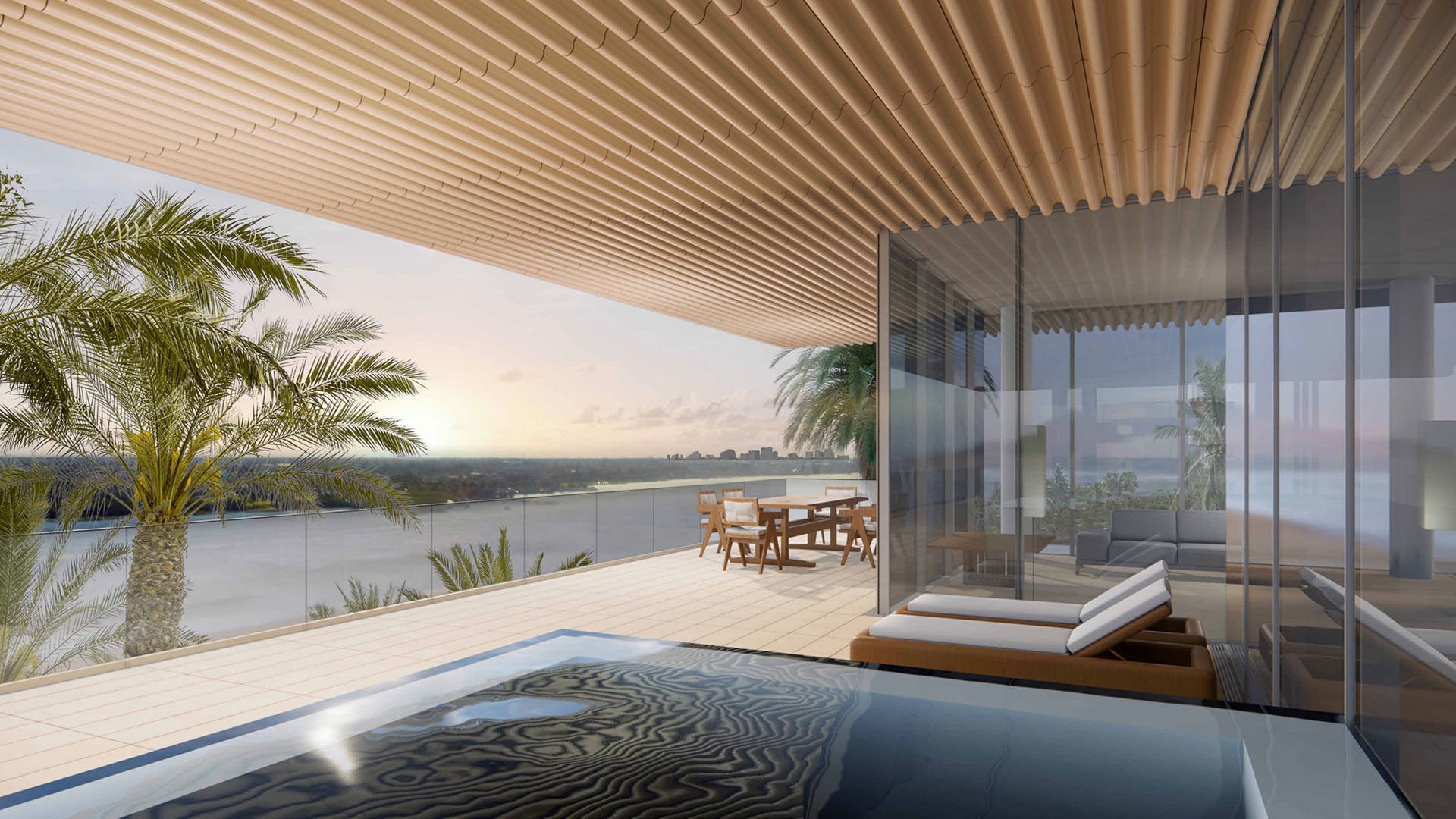
A balcony’s visible finish is only one part of the review. Ask a qualified professional to examine slab condition, membrane continuity, drainage, flashing, door thresholds, railing penetrations, and transitions between the balcony and façade. The question is whether those details work together-not simply whether the coating looks fresh.
Florida exterior-wall provisions require flashing as part of the exterior wall envelope. They also address preventing water accumulation through a water-resistive barrier behind the exterior veneer and a means of drainage to the exterior, subject to code exceptions. These principles frame the review; they do not establish that a particular existing assembly complies.
For a terrace central to the residence’s appeal, request waterproofing proposals detailed enough for a professional to evaluate the intended scope. Compare them with leak records and engineering recommendations. Ask how the proposed work addresses the documented concern and which inspection approvals are required.
Do not draw a structural conclusion from a stain or a waterproofing conclusion from a milestone inspection alone. Let the appropriate professional define any further evaluation needed.
Wind-driven rain warrants attention to balcony-related water intrusion and drainage. It is a reason to review the assembly carefully, not proof that a particular residence has an intrusion problem.
Ask for available leak records from the unit and association, including identified locations and repairs undertaken. Have a qualified professional assess those records alongside the balcony, thresholds, flashing, and façade transitions. A cosmetic repair does not confirm that the underlying concern has been resolved.
For buyers comparing Forté on Flagler West Palm Beach with other residences, apply the same document-led questions consistently. The comparison should turn on building-specific evidence, not assumptions drawn from appearance or location. Ask what was observed, what work followed, and what documentation supports closure of the issue.
No Palm Beach-wide façade-access calendar has been established for this audit. Request a written schedule from the association or its designated project representative covering proposed work dates, affected elevations, balcony entry, equipment locations, furniture removal, noise, and parking impacts.
Distinguish proposed dates from confirmed arrangements. Ask how schedule changes will be communicated, who can authorize entry, and what happens if the owner cannot attend. Clarify whether furniture must be moved before departure and who will confirm that access preparations are complete.
Public inspection hours are not contractor access hours. County field-inspector hours are weekdays from 7:30 a.m. to 3:30 p.m.; they do not define a building’s work schedule. For county-scheduled inspections, inspector identity and contact information can be checked online after 8:00 a.m. on inspection day.
Confirm permit requirements and inspection sequencing with the applicable municipality. Keep that regulatory coordination distinct from the association’s entry arrangements.
Before leaving, designate an authorized local contact and confirm the association’s access procedure. Keep the work schedule, entry authorization, permit information, and relevant professional contacts together. Confirm who will communicate changes and retain inspection approvals when work proceeds during an absence.
For a buyer considering Mr. C Residences West Palm Beach, these planning questions belong alongside lifestyle considerations, without implying any project-specific condition or requirement.
The final purchase review should connect unresolved engineering recommendations, waterproofing scope, funding documents, and access arrangements. Lock-and-leave confidence comes from knowing which responsibilities remain active after departure-and who is authorized to manage them.
For a considered approach to Palm Beach ownership, explore residences with MILLION.
If branded residences are on your mind — as a home or as an allocation — we would be glad to share what we are seeing, privately.
Begin a quiet conversationThe Town of Palm Beach and unincorporated Palm Beach County have different initial inspection guidance. Confirm the building’s applicable threshold and deadlines with its building official.
The guidance applies to condominium and cooperative association buildings three stories or taller. A Florida-licensed architect or engineer performs the inspection.
Unincorporated-county guidance identifies 25 years within three miles of the coastline and 30 years beyond three miles. Town of Palm Beach guidance states 30 years initially; both identify subsequent 10-year intervals.
Phase 1 visually examines habitable and non-habitable areas, including major structural components. It should not be treated as a substitute for a focused waterproofing review.
Findings of substantial structural deterioration trigger Phase 2. The investigation may include destructive testing or other targeted examination to establish the extent of deterioration.
Where substantial structural deterioration is identified, required repairs generally must commence within 365 days after the building official receives the Phase 2 report. This is a commencement requirement, not a completion guarantee.
Ask a qualified professional to review slab condition, membrane continuity, drainage, flashing, thresholds, railing penetrations, and façade transitions. The visible finish alone is not a complete review.
Request milestone reports, engineering recommendations, waterproofing proposals, permits, inspection approvals, and leak records. Review reserve studies and assessment notices alongside the proposed work.
No universal schedule is established here. Request a building-specific written schedule covering dates, affected elevations, entry, equipment, furniture removal, noise, and parking impacts.
Arrange authorized access and designate a local contact before leaving. Confirm the building’s entry procedures and the applicable municipality’s permit requirements and inspection sequencing.