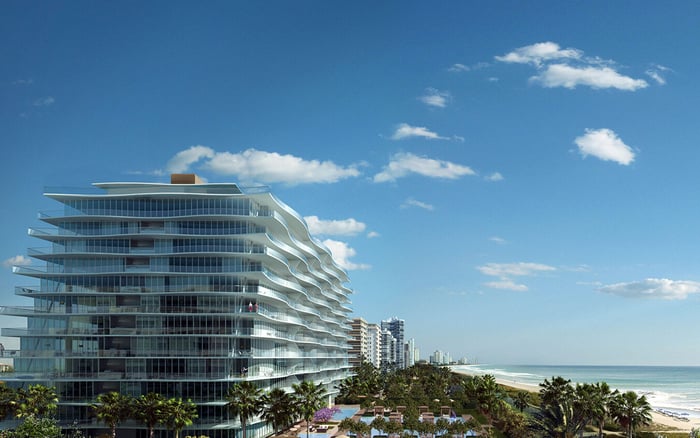
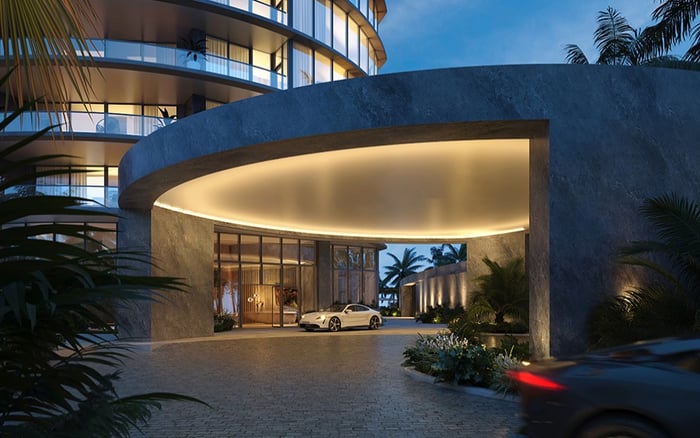
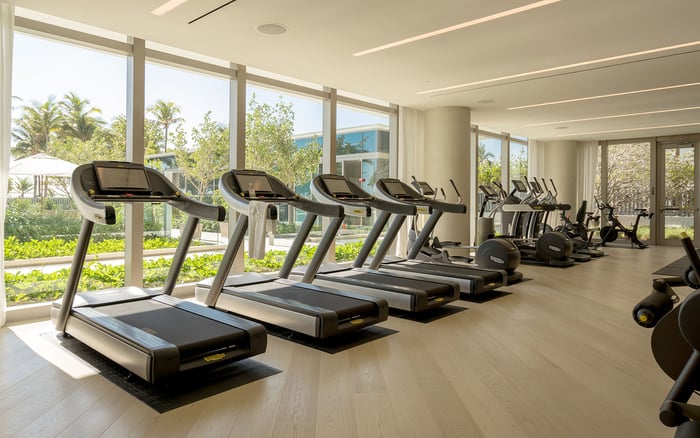
A disciplined Bal Harbour purchase plan separates wellness infrastructure from usable capacity, confirms practitioner permissions, and documents access for the entire household before an offer.
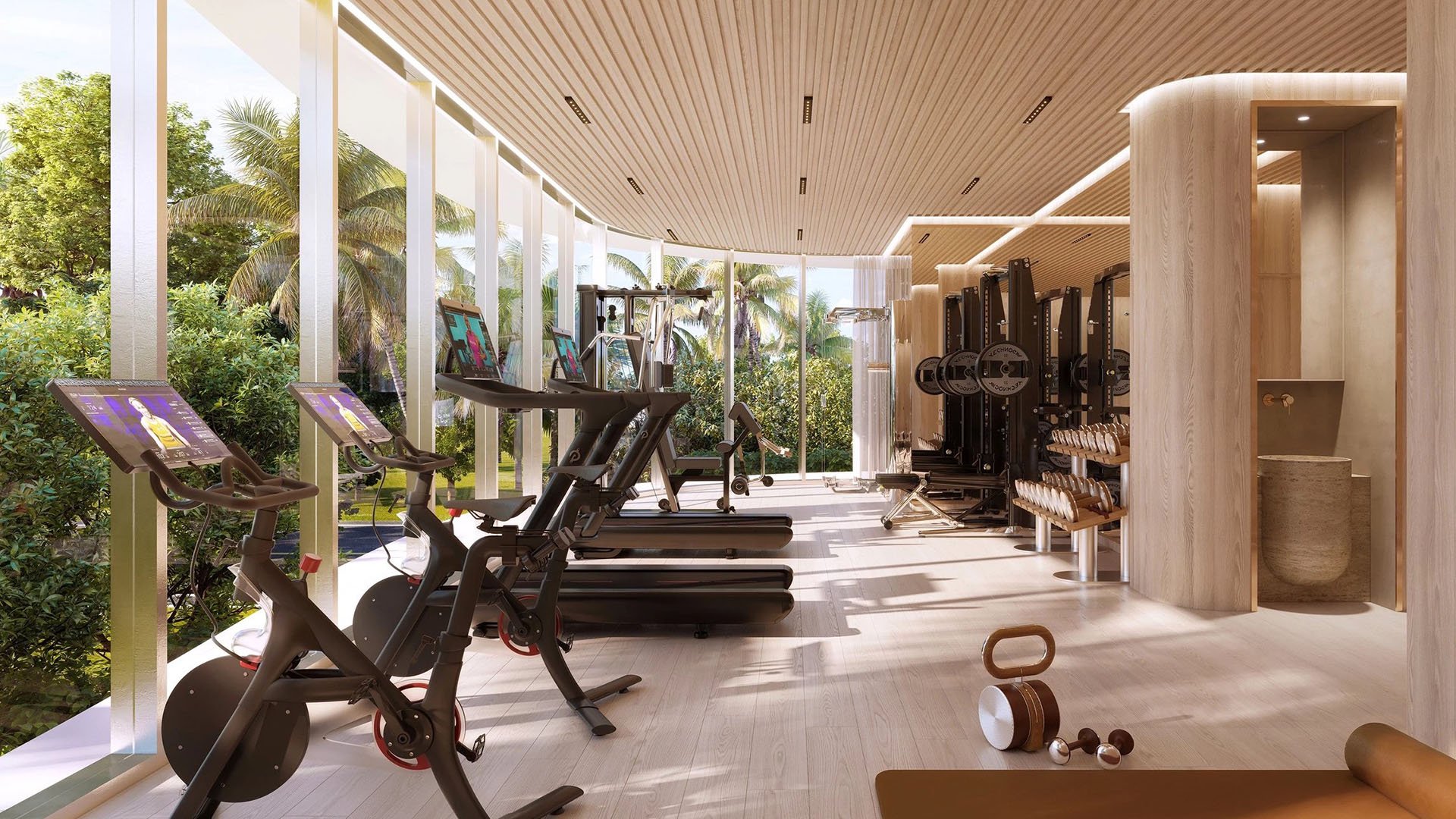
For a family office considering Bal Harbour, wellness is an operating requirement, not simply an attractive room on a sales tour. A beautifully appointed spa has limited practical value if the principal cannot secure a preferred appointment, a visiting relative cannot enter, or a trusted trainer cannot work there.
Begin the purchase plan with a household brief: who will use each facility, at what times, with which practitioners, and during which visits. Separate routine exercise, spa treatments, visiting-family needs, and clinical requirements. The reviewed amenities do not establish on-site medical, diagnostic, physical-therapy, rehabilitation, or concierge-health services.
The essential distinction is between infrastructure, availability, and entitlement. A facility can exist without offering reliable appointments or admitting every member of the household. Each question deserves a separate written answer before wellness becomes a reason to select a residence.
At Rivage Bal Harbour, approximately 25,000 square feet of resort-style amenities encompass more than wellness alone. The program includes a luxury spa, an ocean-view fitness pavilion, sauna, hammam, hot and cold plunge pools, and private treatment rooms for wellness and beauty services. The treatment-room count and daily appointment capacity remain undisclosed in the reviewed details.
That distinction matters when comparing nearby hotel offerings. The St. Regis Bal Harbour Resort has a 14,000-square-foot spa, while the Ritz-Carlton Bal Harbour’s Exhale operation comprises a 10,000-square-foot spa and fitness center. These figures measure different programs and cannot support a straightforward ranking of treatment capacity or privacy.
At Oceana Bal Harbour, the amenity program includes an ocean-view fitness center, a dedicated yoga, meditation, and Pilates studio, and a full-service luxury spa with private lockers and changing rooms. Those facilities describe the setting, not access entitlements for household employees or independent practitioners.
For each candidate, divide the amenity inventory into treatment rooms, exercise spaces, thermal facilities, and shared relaxation areas. Then ask which spaces can accommodate the household’s intended routine.
Square footage is not appointment availability. Request the current treatment-room count, practitioner staffing by service, appointment lengths, turnaround allowances, class-size limits, booking lead times, and resident-priority rules. Ask management to distinguish maximum theoretical capacity from the appointments actually offered.
A historical St. Regis configuration included 12 treatment rooms, relaxation areas, steam and sauna facilities, hot and cold plunge pools, and an ocean-view Athletic Club. Reconfirm that configuration before relying on it. The resort’s program includes two daily morning fitness classes covering yoga, mobility, Pilates, or intensity training, but class frequency alone does not establish available places.
The Ritz-Carlton’s program includes daily wellness classes and spa treatments through Exhale. Treatment-room count, daily appointment capacity, practitioner headcount, and preferential booking rights for nearby residents remain undisclosed in the reviewed details.
Build a practical test around the family’s preferred schedule. Ask whether simultaneous treatments are bookable, whether recurring appointments can be reserved, and how cancellations or operator changes affect those arrangements. Where utilization records are available, examine peak demand rather than relying on an unusually quiet tour.
A trainer’s permission to enter the property is not necessarily permission to coach in its fitness center. Likewise, admitting a therapist to a residence does not establish a right to reserve a communal treatment room or use shared equipment.
Request separate written answers for training inside the residence, training in communal facilities, private treatments inside the residence, and treatments in building-operated rooms. For each activity, confirm management approval, licensing, insurance, vendor registration, equipment restrictions, room reservations, fees, and limits on recurring visits.
A general right for outside trainers, therapists, or visiting medical practitioners to use St. Regis facilities remains unconfirmed. Independent-practitioner entitlements at Oceana are likewise unconfirmed. Treat these as unresolved permissions, not implied privileges.
If the search expands to The Well Bay Harbor Islands, apply the same permission test without transferring assumptions from another property. The purchase decision should rest on documented operating rights, not the expectations a project name may create.
The family office should request a facility-by-facility matrix covering owners, immediate family, visiting relatives, registered guests, household employees, caregivers, and outside practitioners. For each category, record whether access is included, chargeable, reservation-dependent, escorted, restricted by hours, or unavailable.
Hotel policies illustrate why these categories matter. At the Ritz-Carlton Bal Harbour, hotel guests may use the fitness center and pool without charge. Non-hotel guests purchasing a treatment may use the spa facilities, fitness center, and relaxation lounge; that provision does not include pool access.
Neither provision establishes equivalent rights for condominium owners, renters, invitees, or family-office employees. Proximity to a hotel is not a substitute for documented eligibility, and treatment access is not a general resort-access entitlement.
Ask specifically whether a caregiver may accompany a family member without independently using the facilities. Confirm visiting-relative registration, guest limits, unaccompanied access, and whether permissions change when the owner is absent. Record each answer separately for each amenity.
Operating hours should match the household’s actual rhythm. At St. Regis, fitness-center hours are 24 hours a day, seven days a week; spa hours are 9:30 a.m. to 6:00 p.m. daily, with appointments required. At the Ritz-Carlton, daily spa and salon hours are 9:00 a.m. to 8:00 p.m.
Those schedules are not interchangeable access guarantees. Confirm current hours, eligibility, staffing, maintenance closures, and class calendars. For short visits, test whether the family can secure treatments before arrival. For longer stays, determine whether recurring bookings are permitted and what happens when the preferred practitioner is unavailable.
Before an offer, obtain the declaration, house rules, amenity regulations, guest policy, personal-training policy, spa operating agreement, and resident-services manual. Have counsel distinguish enforceable rights from discretionary permissions and identify who can change each arrangement.
Reduce the findings to three purchase tests: sufficient usable capacity, acceptable practitioner permissions, and clear household eligibility. Mark each as confirmed, conditional, or unresolved. Where wellness is essential, decide with counsel how unresolved items should affect the offer rather than accepting verbal assurances.
The strongest choice is not necessarily the largest advertised spa. It is the residence whose documented rules and operating capacity support the family’s routine with the least uncertainty.
For a discreet residential search shaped around your household’s priorities, connect with MILLION.
If branded residences are on your mind — as a home or as an allocation — we would be glad to share what we are seeing, privately.
Begin a quiet conversationNo. The approximately 25,000-square-foot figure covers the broader resort-style amenity program, not wellness facilities alone.
Its advertised program includes a luxury spa, ocean-view fitness pavilion, sauna, hammam, hot and cold plunge pools, and private treatment rooms.
Oceana advertises an ocean-view fitness center, a yoga, meditation, and Pilates studio, and a full-service luxury spa with lockers and changing rooms.
No. Rivage’s figure covers broader amenities, St. Regis’s refers to its spa, and Exhale’s combines spa and fitness.
A historical configuration identified 12 treatment rooms. The current count should be reconfirmed before purchase.
Non-hotel guests purchasing a treatment may use the spa facilities, fitness center, and relaxation lounge. That provision does not include pool access.
The Ritz-Carlton publishes daily spa and salon hours of 9:00 a.m. to 8:00 p.m. St. Regis publishes daily spa hours of 9:30 a.m. to 6:00 p.m. and requires appointments.
The reviewed details do not establish such a general entitlement. Confirm permissions separately for in-residence services, communal equipment, and treatment-room use.
No. The reviewed amenities do not establish on-site medical, diagnostic, physical-therapy, rehabilitation, or concierge-health services.
Request the declaration, house rules, amenity regulations, guest and personal-training policies, spa operating agreement, and resident-services manual. Obtain a written eligibility matrix for the household and its practitioners.