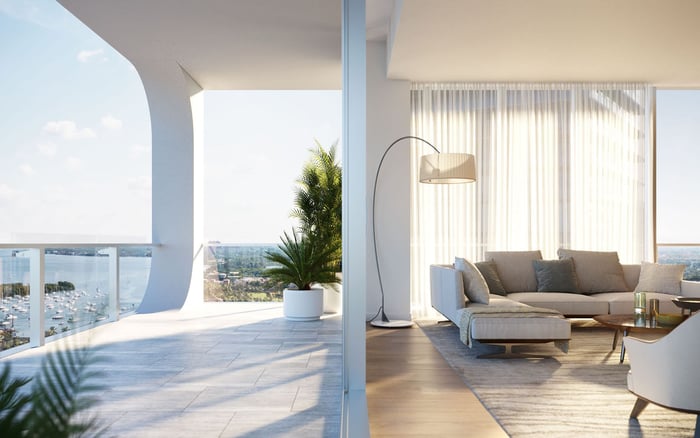
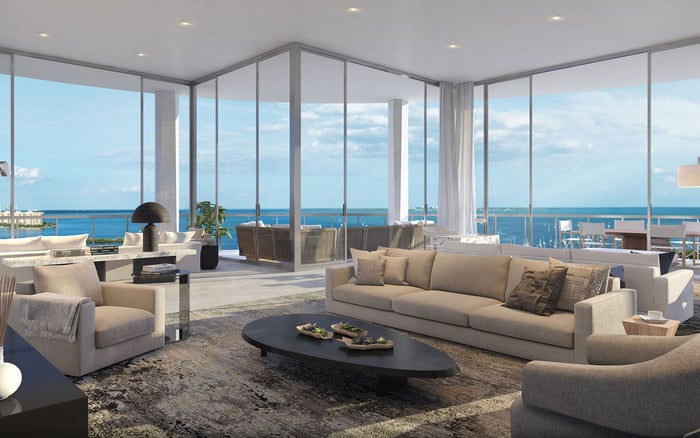
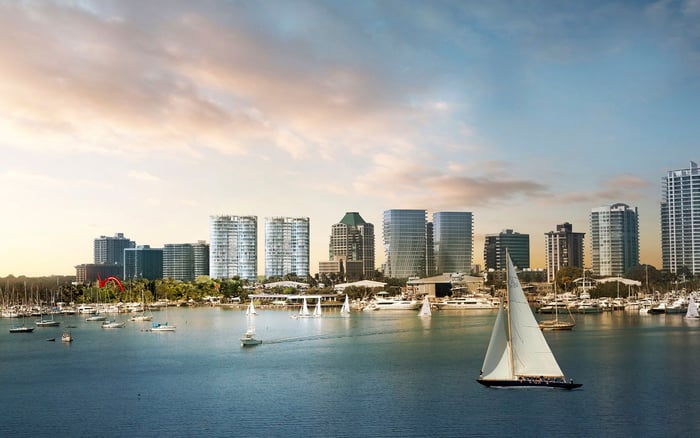
A discreet gala-season residence should work as beautifully as it looks. This Coconut Grove planning guide aligns family arrivals, staff accommodation, guest circulation, and privacy with the permissions that govern each property.
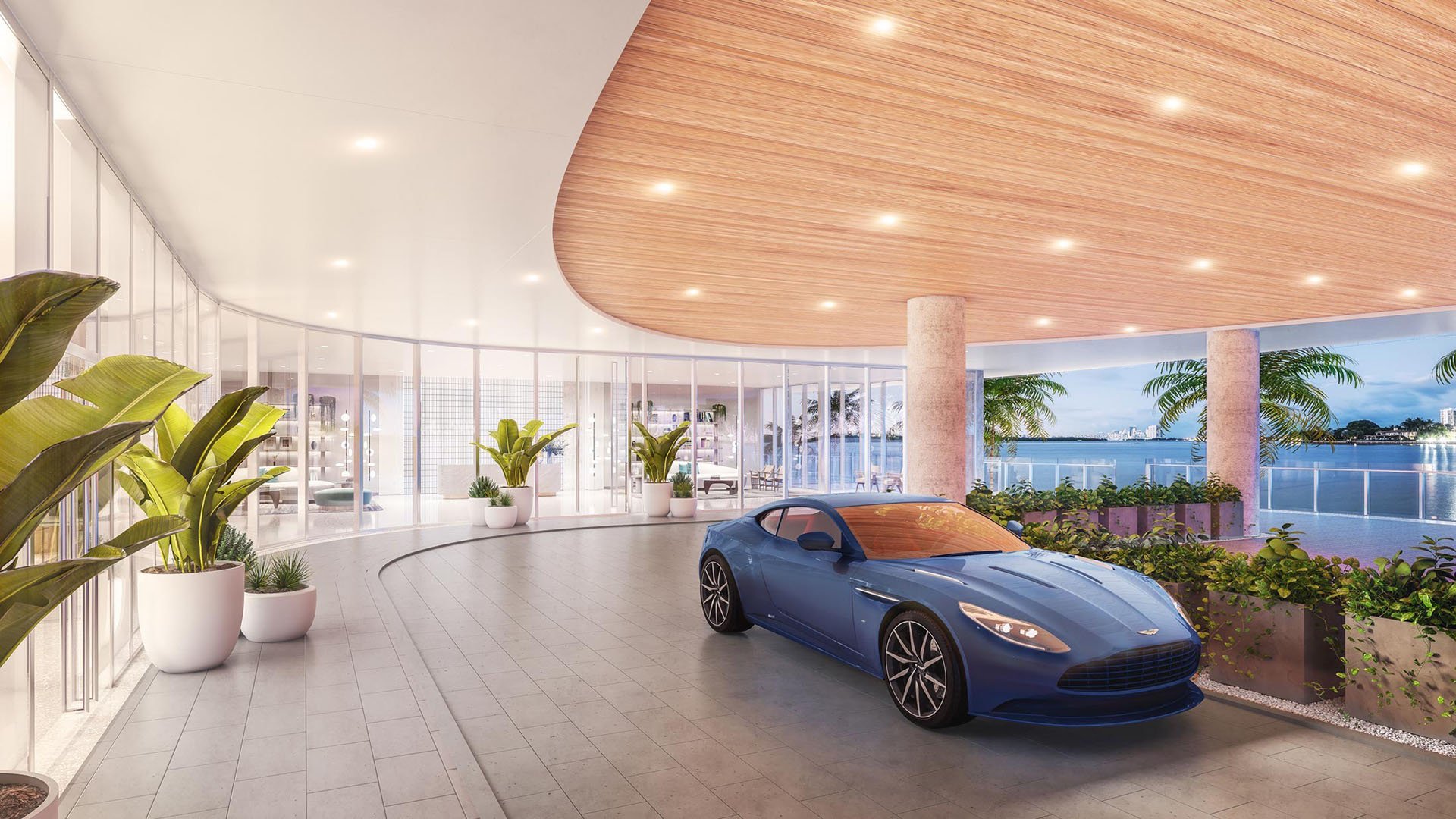
For a family office preparing for South Florida gala season, the Coconut Grove residence should be a retreat, not a second venue to manage. The objective is quiet continuity: family members arrive without competing with deliveries, staff have suitable accommodation, and guests are welcomed without entering private household routines.
The strongest plan begins with permissions, not a calendar. Establish who may occupy the residence, how visitors are admitted, where vehicles may wait, and whether the proposed entertaining is allowed. Build schedules around those answers. A beautiful address cannot substitute for a workable arrival sequence or an enforceable boundary between hospitality and family life.
Designate one household coordinator and one backup to maintain the master schedule. Give drivers, staff, and hosts only the information their assignments require, rather than circulating the family's complete itinerary.
Coconut Grove offers several distinct settings for a seasonal base. The Moorings is a gated residential community in South Coconut Grove. Camp Biscayne is a historic, low-density gated community with a park-like setting and bayfront and near-bay homes. These characteristics can inform a shortlist; they do not establish event permissions or staffing capacity.
Entrada Estates has approximately 32 homes behind controlled-access gates. Advertised amenities include 24/7 security, a community tennis court, and community boat docks with direct Biscayne Bay access. Ye Little Wood has 33 homes and a private residents' park. In smaller communities, shared operating costs are distributed across fewer households, making association budgets relevant to ownership decisions.
For a residential comparison that includes Park Grove Coconut Grove, apply the same operational brief rather than assuming a particular service model. Request current rules, inspect the actual arrival route, and confirm availability for the required season before making commitments.
Use a relative sequence, not a speculative transfer timetable. Start with each family's confirmed event commitments and work backward through dressing, meals, rest, and transport. Ask transport providers to validate journey assumptions for the actual dates, then confirm permitted gate and loading arrangements with property management.
A practical arrival sheet should record the party, assigned vehicle, approved access window, household contact, luggage needs, and fallback instructions. Keep sensitive itinerary details separate from the access list wherever possible.
Subject to approval, schedule preparation staff and essential deliveries before the family's arrival window. Separate guest arrivals from principal departures where permitted, and never assign a vehicle waiting point without permission. Give late returns equal attention: confirm how access works after hours and who handles an unexpected visitor or vehicle change.
If an arrival slips, the coordinator should revise the sequence rather than let multiple parties converge. Buffers are planning choices to validate locally, not fixed gate-processing or airport-transfer estimates.
Accommodation should support the people delivering the season, not simply absorb overflow from the main house. Begin with overnight headcount, shift patterns, rest requirements, transport, and storage. Then decide whether lawful on-site accommodation or a separate residence better suits the household.
A nearby condo or secondary home remains only a candidate until written occupancy, lease-duration, parking, and visitor-access rules have been reviewed. Confirm that the intended arrangement is permitted, identify who will hold the lease, and establish how staff will reach the principal residence without relying on unapproved parking or access privileges.
If Arbor Coconut Grove enters a secondary-residence search, assess availability and suitability independently. A place on the shortlist does not establish permission for staff lodging or short stays.
Set a separate accommodation budget and designate a clear escalation contact. A staff member's overnight access should not depend on the family's return from an event. Nor should separate lodging create a transport burden that undermines protected rest periods.
Treat zoning as a proposed household arrangement, not an assumed architectural feature. During the property review, mark three areas on the actual plan: private family rooms, guest reception space, and service working areas. Check whether circulation supports those distinctions without blocking necessary access or emergency exits.
The family zone should protect bedrooms, personal workspaces, and quiet time. The guest zone should have a defined arrival point and an agreed route to reception rooms and restrooms. Service activity should have designated storage and delivery arrangements wherever the layout and rules allow.
When evaluating Four Seasons Residences Coconut Grove, include these questions in the property-specific review rather than assuming dedicated circulation, staffing, or entertaining rights.
For any proposed gathering, confirm guest limits, vendor procedures, parking, and permitted hours before issuing invitations. If the home cannot accommodate the intended separation, reduce the gathering or consider an appropriately authorized alternative venue.
Hughes Cove is a small gated enclave with a private boat basin and canal-to-bay access. Individual dock rights still require separate confirmation. Likewise, advertised community docks at Entrada Estates do not establish exclusive use or permission for a particular transfer.
Treat any water arrival as a separate approval exercise, not an automatic privacy improvement. Confirm applicable dock permissions and transfer arrangements before adding it to the schedule. Maintain a land-arrival alternative so that an unconfirmed waterfront option does not become essential.
On land, distinguish monitoring from personnel. At Beacon Harbour, 1660 W Glencoe Street, the advertised 24-hour monitored security system does not necessarily mean a continuously staffed security desk. The advertised private garage, guest parking, and lobby porte-cochere warrant inspection against the household's needs-not assumptions about capacity or exclusive access.
Mature banyan trees and tropical landscaping can provide visual screening in Coconut Grove. Neither planting nor gates establishes soundproofing, photography restrictions, or permission to host events. Set household photography expectations separately and share access information selectively.
Before committing to a purchase or seasonal arrangement, assemble a brief covering occupancy, staff lodging, arrivals, guest zones, transport, and privacy. For every essential permission, record the written confirmation and responsible contact. Price the operating plan separately from the residence to keep staffing, transport, and association obligations visible.
Reconfirm the next day's movements with the relevant teams while keeping the full family itinerary restricted. At the end of the stay, return temporary credentials and review which arrangements worked. The best seasonal base is not simply discreet in appearance; it allows the household to function with fewer exceptions and less intrusion.
Explore Coconut Grove residences with MILLION through the lens of your family's seasonal operating needs.
If branded residences are on your mind — as a home or as an allocation — we would be glad to share what we are seeing, privately.
Begin a quiet conversationConfirm occupancy permissions, visitor admission procedures, vehicle waiting locations, and approved arrival or loading windows. Build the schedule around those requirements.
Where permitted, schedule preparation staff and essential deliveries before the family's arrival window. Assign a coordinator to adjust the sequence if plans change.
No. Obtain written confirmation of occupancy, lease-duration, parking, and visitor-access rules before committing to the intended arrangement.
Include the arriving party, assigned vehicle, approved access window, household contact, luggage needs, and fallback instruction. Keep sensitive itinerary details separate where possible.
Use the actual floor plan to identify private family rooms, guest reception space, and service working areas. Verify that circulation supports the separation without obstructing necessary access.
No. Confirm gathering permissions, guest limits, vendor procedures, parking arrangements, and permitted hours before issuing invitations.
Entrada Estates advertises 24/7 security, a community tennis court, and community boat docks with direct Biscayne Bay access. Specific usage rights require confirmation.
No. Hughes Cove is described as having a private boat basin and canal-to-bay access, but individual dock rights require separate confirmation.
Its advertised feature is a 24-hour monitored security system. That description does not necessarily establish a continuously staffed desk.
Mature banyans and tropical landscaping can provide visual screening. They do not establish soundproofing, photography restrictions, or complete privacy.