A family-office framework for evaluating driver waiting, lawful vehicle staging, and late-night handoffs at The Village at Coral Gables, with clear distinctions between documented permissions and services that require confirmation.
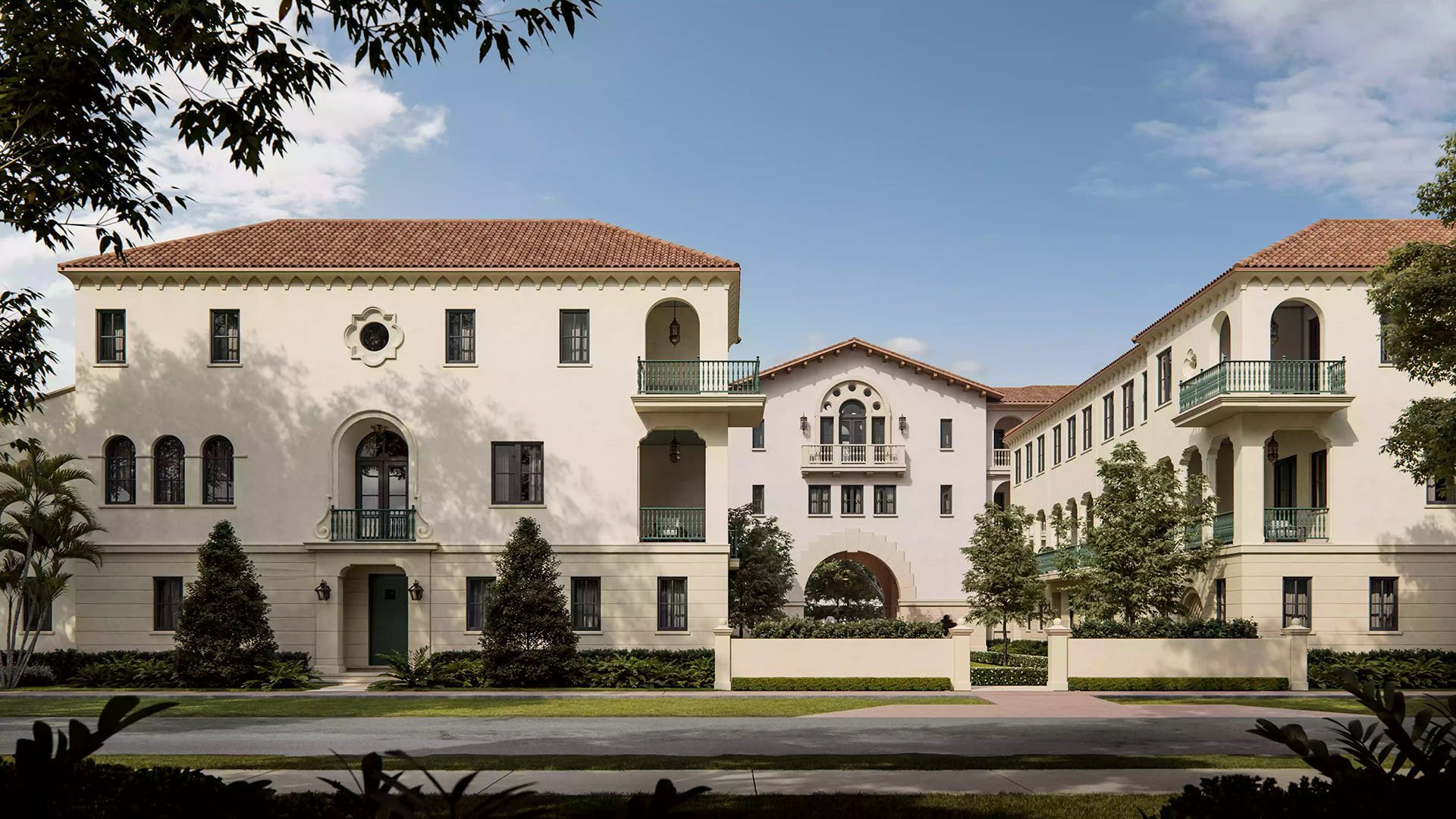
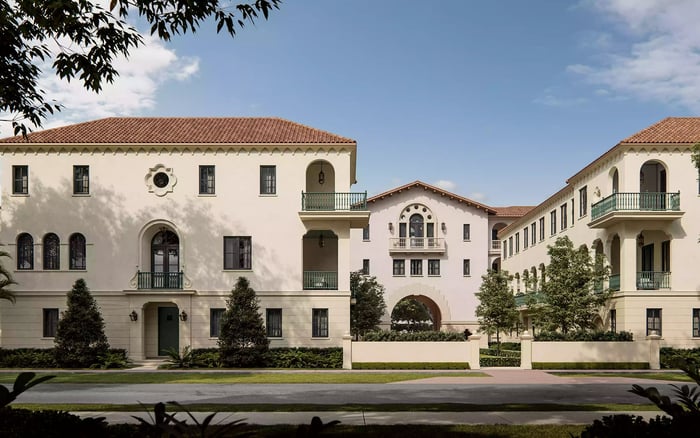
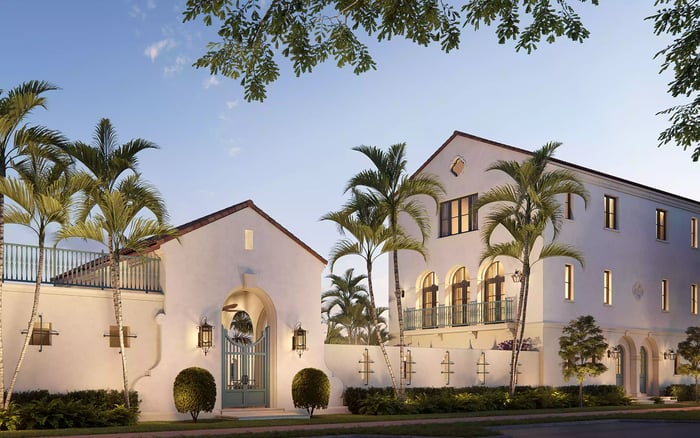
For a family office evaluating The Village at Coral Gables, the arrival sequence deserves the same scrutiny as the interior plan. The practical questions are precise: where does a chauffeur wait, where may a vehicle pause, and who coordinates the handoff when a resident returns late?
The property's internal driver waiting area, dedicated rideshare bay, valet contract, security schedule, camera coverage, and after-hours staging capacity should remain open diligence items until documented. A nearby parking facility does not establish a residential service arrangement. Nor does an attractive entrance establish permission to queue vehicles on the street.
The objective is a written operating plan that distinguishes four functions: driver waiting, curbside handoff, short-duration vehicle queuing, and longer-term parking. Each needs an identified location, confirmed permission, and a responsible party.
Begin with an annotated site plan. Ask management to identify whether proposed pickups occur within the property, on a public street, in a shared valet zone, or on neighboring private land. That distinction helps identify which permissions and operating restrictions require review.
Request any applicable valet permit, loading-zone authorization, traffic-management plan, and agreement covering off-site staging. Have management identify the authorized passenger handoff point and explain any restrictions on its use. Do not assume a private chauffeur arrangement carries the same permissions as a valet operation; have the proposed use reviewed explicitly.
If neighboring property is proposed for waiting or parking, request documentation confirming that use. An informal understanding should not substitute for a clear arrangement identifying access, operating hours, and responsibility.
Buyers also considering Ponce Park Coral Gables should apply the same location-and-permission test rather than infer equivalent operating arrangements from a shared city address.
A waiting driver and a waiting vehicle create different demands. A chauffeur may need somewhere to remain available while the vehicle requires lawful parking elsewhere. Neither function should default to the passenger handoff point.
Confirm any time limit that applies to the proposed pickup space. A place suitable for a brief transfer may not accommodate a vehicle while a household finishes dinner or prepares to leave. Ask separately whether longer waiting is permitted and where it would occur.
Ask management to demonstrate the sequence for an early driver, a delayed resident, and two simultaneous departures. Where does the second vehicle go? Who instructs the driver to approach? What happens when the designated area is occupied?
For an assigned waiting space, request access rules, operating hours, and capacity. If none is designated, the family office should establish a lawful alternative before treating chauffeur availability as a seamless residential convenience.
A secure pickup plan should address coordination among the resident, attendant, and driver-not simply a vehicle arriving at an entrance. Recommended controls include requesting the vehicle before departure, selecting an illuminated meeting point, verifying the plate or valet ticket, and assigning an attendant to match passenger and vehicle. These are proposed safeguards, not confirmed services at The Village.
Request written late-night procedures alongside relevant security responsibilities and staffing schedules. The file should identify who answers the call, who observes the meeting point, and who resolves a vehicle mismatch or missed pickup. Confirm camera coverage rather than assuming it, including whether the proposed handoff point is within view.
Review service windows separately from building access. Access to an entrance or parking facility does not itself establish that an attendant will be available to retrieve a vehicle. Require explicit confirmation for the household's intended departure and return times, including the procedure when service is unavailable.
Any downtown Coral Gables garage considered as a fallback should be evaluated independently. Confirm its current access hours, rates, parking restrictions, and suitability for the intended vehicle before incorporating it into a household transportation plan.
Ask whether the proposed use is short-term parking, overnight parking, or vehicle storage, and obtain confirmation that the facility permits it. Do not treat a monthly access arrangement as proof that every intended use is authorized.
For buyers comparing Cora Merrick Park, the same distinction matters: surrounding parking inventory and a residence's documented transportation arrangements are separate considerations.
If considering an independent valet or hotel parking facility in Coral Gables, confirm its customer eligibility, drop-off location, retrieval procedure, and service hours directly. Ask about vehicle-size restrictions and what happens if the household returns after staffed service ends.
A facility's security features should not be treated as a guarantee of protection for Village residents or their route to the facility. Similarly, an external operator's availability does not establish a residential pickup or overflow agreement.
Document any proposed fallback on its own terms. If it depends on another transportation service, verify that service's operating window rather than assuming it will remain available late at night.
Before relying on any arrangement, conduct a walkthrough at the household's intended pickup hour. Ask the responsible team to explain how it would handle an early arrival, a delayed departure, an unavailable attendant, and an unsuitable vehicle. This is a recommended acceptance test, not a statement about existing service.
The completed diligence file should contain the annotated plan, applicable permissions, staging agreements, staffing responsibilities, and late-night procedures. Any unresolved item should remain a condition to confirm, not an amenity credited in the purchase decision. Discreet service begins with clarity about who may wait where-and who takes responsibility when plans change.
For a discreet discussion of residential priorities and buyer diligence, connect with MILLION.
If branded residences are on your mind — as a home or as an allocation — we would be glad to share what we are seeing, privately.
Begin a quiet conversationA designated internal driver waiting area is not established here. Request an annotated site plan and written access rules before relying on one.
Request the site plan, applicable permissions, staging agreements, staffing responsibilities, and written late-night procedures. Ask management to identify any documents that do not apply to the proposed arrangement.
Confirm the applicable time limit for the specific location. Do not assume a passenger handoff point permits longer waiting.
Ask management to mark it on the site plan and provide any applicable authorization. The plan should distinguish on-property areas from public streets or neighboring land.
Do not assume neighboring property is available for waiting or parking. Request documentation confirming permission for the proposed use.
Do not treat monthly access as proof that storage is permitted. Confirm the facility's restrictions and the household's intended use directly.
No residential service arrangement is established here. Treat external valet parking as an independent option unless a written agreement confirms otherwise.
Facility access does not itself establish staffed retrieval. Confirm the retrieval window and the procedure for returning after service ends.
Recommended controls include requesting the vehicle in advance, using an illuminated meeting point, verifying the plate or ticket, and assigning responsibility for the handoff. These are not confirmed Village services.
Conduct a walkthrough at the intended pickup hour and review early arrivals, delayed departures, and unavailable attendants. Record unresolved items before relying on the arrangement.