A document-first checklist for aligning a South Florida residence with yacht berthing, submerged-land authorization, dock approvals, seawall obligations, and association responsibilities.
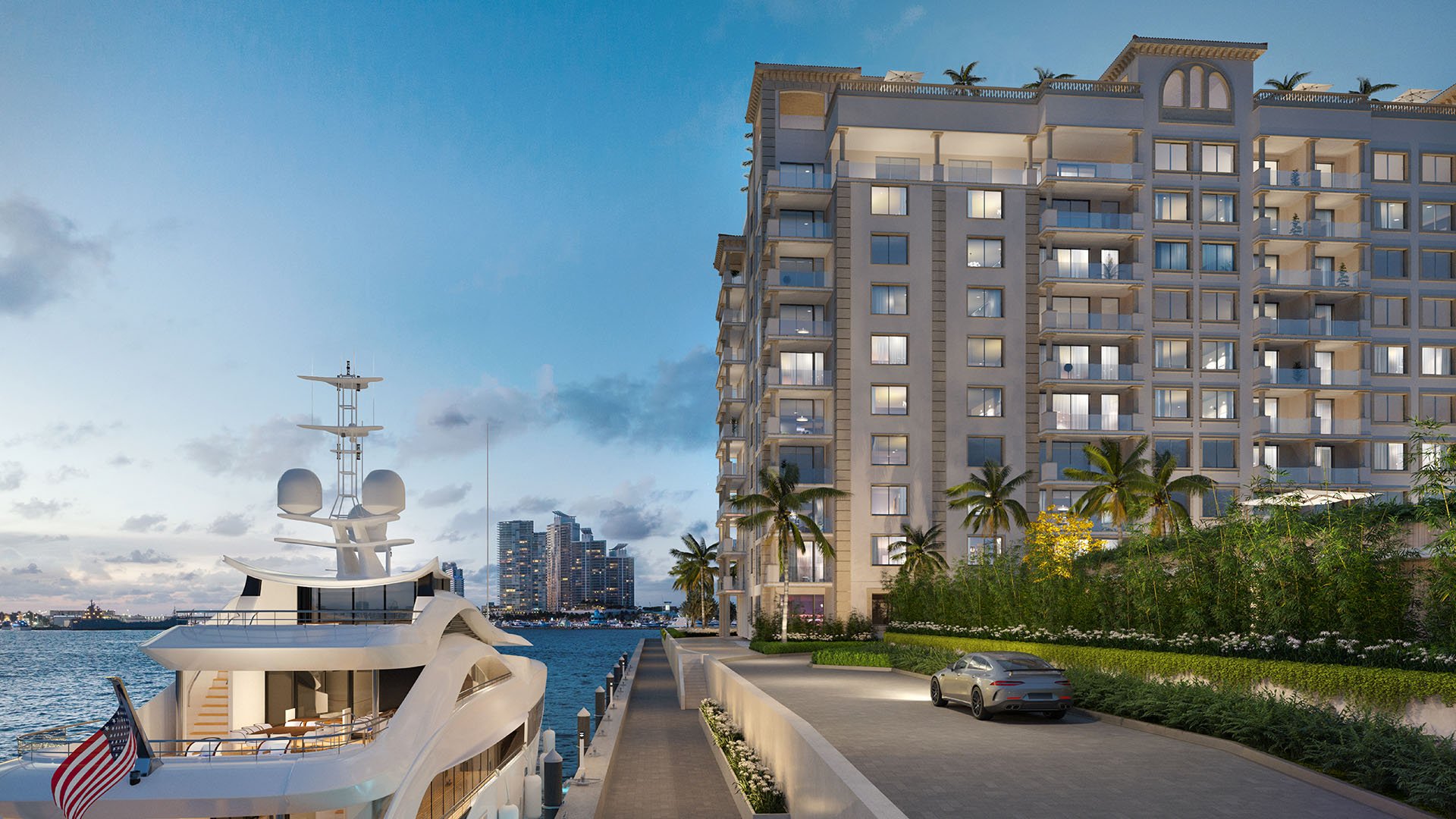
For a yacht-owning family, a South Florida residence is more than an address. It is the shoreside counterpart to a carefully managed vessel, with access, maintenance, and contractual continuity deserving the same attention as architecture and privacy. The essential distinction is straightforward: residential ownership, permission to occupy submerged lands, dock approval, and the right to berth a yacht are separate questions.
Treat them as coordinated workstreams, not a single amenity package. A waterfront setting does not establish a transferable slip agreement, and a completed dock does not, by itself, establish current authorization. The family office should require a closing file that ties every promised right to an executed document and every physical improvement to its approved footprint.
For a Fort Lauderdale residence under consideration, including St. Regis® Residences Bahia Mar Fort Lauderdale, apply this discipline without presuming any particular berth entitlement or contract structure.
First, determine whether the dock occupies state-owned sovereignty submerged lands and which authorization covers that occupation. Private single-family and multifamily docks, piers, boat ramps, and similar facilities that do not qualify for a letter of consent can require a submerged-land lease. Residential use is not an automatic exemption.
For covered private residential docks and piers, the initial standard lease term is capped at 10 years. Successive renewals may run up to 10 years, but depend on compliance with the lease, applicable statutes, and administrative rules. Distinguish the remaining lease term from any expectation of renewal.
Request the executed lease, amendments, boundary exhibits, payment history, and compliance correspondence. Reconcile the authorized area with the survey and built improvements. Proposed changes to leased boundaries or lease conditions require coordination with the state district office serving the property's county.
Annual lease fees are due on the execution anniversary. Covered leases must specify applicable fees, including those associated with income from a wet slip, dock, or pier within the leased preempted area. A qualifying single-family dock designed for up to four boats may receive a lease-fee exemption within statutory area limits. That is not a blanket exemption from authorization requirements.
Submerged-land authorization and permission to construct or alter a dock serve different purposes. Verify environmental and construction approvals separately for installation, alteration, maintenance, or expansion. Required approvals depend on the location, proposed work, environmental conditions, and applicable agency authority.
Ask the technical team to compare approved plans with the dock, pilings, lifts, and utilities in place. Resolve discrepancies before closing; do not assume that age or continued use establishes compliance. For a contemplated vessel change, determine whether the proposed physical modifications require additional approvals.
Larger docking facilities warrant particular scrutiny. Proprietary-authority review thresholds include facilities exceeding 50 slips, modifications adding more than 10 percent of existing slips when the resulting total exceeds 50, and facilities occupying a preempted area exceeding 50,000 square feet. These are review triggers, not a complete permitting checklist.
When comparing Bay Harbor Islands residences such as Onda Bay Harbor, request property-specific authorization and permit documents rather than drawing conclusions from the waterside setting.
Seawall responsibility requires a component-level analysis. Read the deed, survey, plat, declaration, easements, and permits together. For each seawall, dock, piling, lift, utility connection, and access area, identify ownership, maintenance duties, replacement responsibility, and the mechanism for funding work.
Have counsel prepare a responsibility matrix distinguishing routine maintenance, structural repair, replacement, and emergency work. Where an association is involved, establish how the governing documents allocate each task and its cost. Maintenance responsibility, ownership, and insurance coverage are not interchangeable.
A buyer evaluating Bay Harbor Towers should apply the same document-led analysis. The question is not whether an association exists, but what its particular documents require it to do.
Review the marina agreement alongside the residence contract, not as an incidental attachment. Confirm the contracting party, berth identification, term, renewal provisions, termination rights, assignment requirements, fees, default provisions, insurance obligations, and indemnities. Do not assume the slip agreement transfers with the residence.
Match the agreement's vessel limits to the intended yacht. Ask the marina to confirm contractual suitability, and have the captain assess the proposed berth and access arrangements. Treat any future vessel upgrade as a fresh review, not an implied entitlement.
In Brickell, a residence search that includes Una Residences Brickell should keep residential selection and berthing diligence distinct. Proximity to water does not establish whether a separate marina agreement is available, assignable, or suitable for the owner's yacht.
Ask counsel to coordinate closing conditions around any necessary consents and executed marina documents. The objective is a residence paired with a usable, documented berthing arrangement-not a purchase followed by unresolved negotiations.
Build one coordinated file containing executed leases, amendments, approved plans, permits, inspection records, marina documents, governing documents, and seawall engineering assessments. Reconcile the file with the improvements actually built, and assign responsibility for resolving each open issue.
Review recorded access rights rather than relying on an informal route across neighboring or common property.
Covered leased private residential docks and similar structures are subject to state compliance inspection at least once every 10 years. That interval is no substitute for a property-specific engineering review or a more attentive maintenance plan.
Create a calendar for lease anniversary payments, renewal preparation, permit deadlines, assessments, inspections, and storm procedures. Coordinate residence, yacht, marina, and association insurance with the relevant advisers. Do not presume that one policy fills another's gaps.
The strongest family-office checklist ends with named responsibilities: who holds each right, who maintains each asset, who pays, and who acts when a deadline or storm approaches. Resolve those questions through property-specific legal, technical, and insurance review before committing to the combined arrangement.
For a discreet perspective on coordinating South Florida residential choices with a yacht-owning lifestyle, explore MILLION.
If branded residences are on your mind — as a home or as an allocation — we would be glad to share what we are seeing, privately.
Begin a quiet conversationNo. Review the residence documents and marina agreement separately to establish berth rights, availability, and any transfer requirements.
Yes. Private residential docks and similar facilities that do not qualify for a letter of consent can require a state-owned submerged-land lease.
The initial standard term is capped at 10 years. Successive renewals may be up to 10 years, subject to compliance with the lease and applicable law.
Annual fees are due on the lease anniversary, meaning the date the lease was executed. Add that date to the family office's compliance calendar.
A qualifying dock may receive a lease-fee exemption within statutory preempted-area limits. That exemption does not eliminate authorization requirements.
No. Authorization to occupy submerged lands must be verified separately from environmental and construction permissions for the relevant work.
No universal association responsibility is established. Review the deed, survey, plat, declaration, easements, and permits to identify ownership and maintenance obligations.
Review assignment, renewal, termination, fees, vessel limits, insurance, indemnity, and default provisions. Do not assume the agreement transfers with the residence.
Covered leased private residential docks and similar structures must receive a state lease-compliance inspection at least once every 10 years. That does not replace a property-specific engineering review.
Collect executed leases, amendments, approved plans, permits, inspection records, marina documents, governing documents, and seawall engineering assessments. Reconcile them with the improvements actually built.