A yacht owner’s residence purchase calls for separate scrutiny of boating utility, outdoor space, custom improvements, and contractual exposure. This family-office checklist keeps market value distinct from personal value while coordinating the residence and marina decisions.
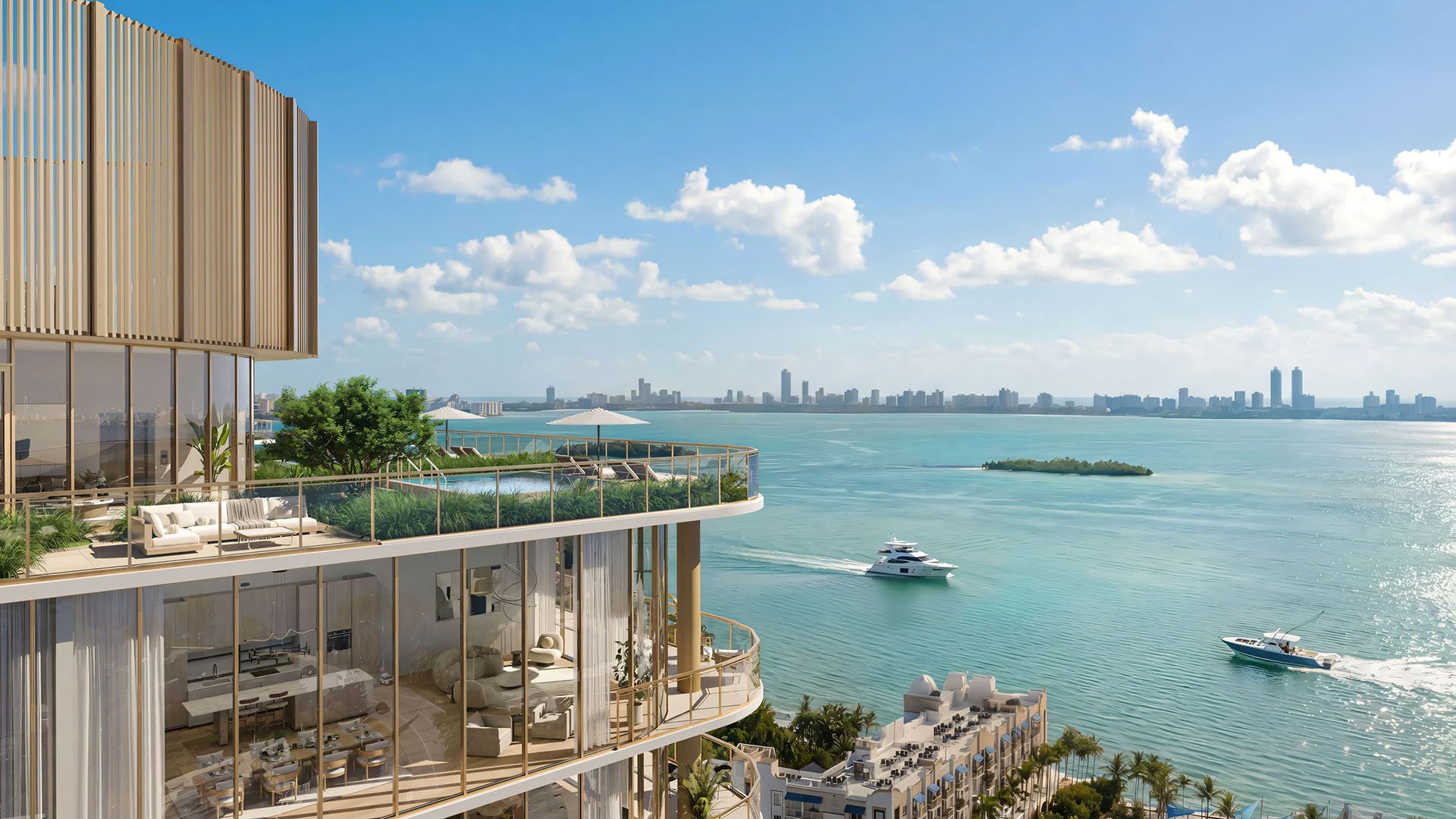
For a yacht-owning family buying in South Florida, the residence and berth may feel like a single acquisition. The family office should nevertheless evaluate them as distinct decisions: whether the home supports the household’s life ashore, and whether the boating arrangement supports the vessel’s actual use. A water view answers neither question on its own.
Keep four measures separate: the negotiated purchase price, the appraised residential value, the cost of bespoke work, and the family’s personal value in the combined arrangement. They may converge, but there is no reason to assume they will. Before negotiating, assign responsibility for residential valuation, vessel suitability, document review, and cash exposure.
For a Fort Lauderdale search that includes St. Regis® Residences Bahia Mar Fort Lauderdale, apply that separation from the outset. Inclusion on a residential shortlist does not confirm a particular berth, vessel fit, or contractual entitlement.
A credible waterfront appraisal considers more than frontage and a photogenic outlook. Canal width, navigability, fixed-bridge clearance, ocean access, dock configuration, seawall condition, and boat-lift capacity can all affect the property’s utility. Direct ocean access without fixed bridges is a material valuation feature, not merely a descriptive flourish.
Ask the valuation team to explain whether comparable sales offer similar boating utility. A waterfront address with a constrained route is not automatically comparable to one that accommodates the owner’s vessel. Dock length, depth at the berth, dock condition, and bridge clearance help establish whether access is usable in practice.
The family office’s working file should distinguish verified physical characteristics from assumptions awaiting confirmation. Include seawall age and integrity alongside the residence’s condition, views, frontage, and flood considerations. None establishes a universal waterfront premium; any adjustment still requires relevant market evidence and attention to buyer demand.
Where a Bay Harbor Islands search includes Onda Bay Harbor, ask the same vessel-specific questions rather than treating a project’s identity as evidence of suitable access. The relevant comparison is the opportunity actually being acquired.
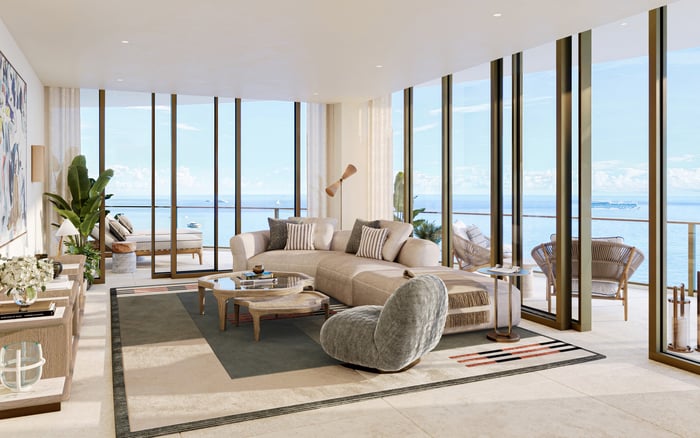
Outdoor square footage deserves its own assessment. Terraces, balconies, roof decks, and covered outdoor rooms should be distinguished from interior gross living area, not automatically assigned the same per-square-foot value. A combined marketing figure should not substitute for clearly separated measurements.
Evaluate outdoor space by its configuration, privacy, finish quality, view orientation, and relationship to pools or spas. For the buyer, the practical question is whether the space serves its intended use: dining, entertaining, quiet retreat, or a combination. For the appraiser, the question remains what comparable market evidence supports.
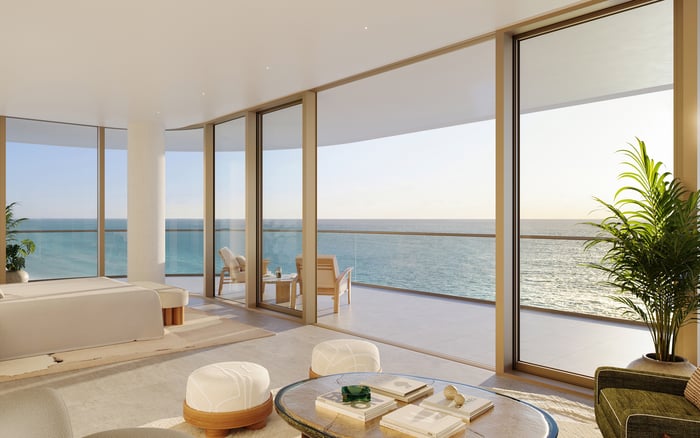
In a Miami Beach review that includes The Perigon Miami Beach, request unit-specific documentation rather than relying on broad impressions. Floor elevation, view exposure, balcony dimensions, and finish level can help describe the residence accurately. Any relevant water-access or dock characteristics should likewise be documented.
Do not assume a fixed terrace percentage or universal outdoor price per square foot. Ask for the reasoning behind an adjustment, not a convenient rule that makes the asking price appear inevitable.
A highly personalized interior can be central to the family’s enjoyment without contributing its full cost to market value. Renovation expenditure alone does not establish an equivalent increase in appraised value. Custom finishes and unusual amenities require comparison with what buyers demonstrably recognize in similar properties.
Prepare an improvement schedule that separates existing work, proposed work, needed repairs, and modernization. Record descriptions and costs as background, keeping expenditure distinct from the appraiser’s supported value contribution. Unusual construction, extensive renovations, or specialized facilities may require a broader comparable-sales search.
An over-improvement is an improvement larger or costlier than is typical for its market area. That does not make it undesirable for the owner. It means the family office should resist treating every dollar spent as recoverable residential value.
For a shortlist including Vita at Grove Isle, the same distinction applies: assess the residence’s documented attributes first, then evaluate any personalization against market evidence and the family’s own priorities.
Physical suitability and contractual availability are different questions. A berth that appears suitable for the yacht does not, by itself, establish what the purchaser may acquire or use. Ask counsel to identify the relevant documents and explain the proposed arrangement before the family relies on it.
Treat the following as a discussion agenda, not a statement of universal legal requirements:
What exactly is being acquired or made available, and by which agreement?
What approvals, vessel restrictions, transfer provisions, or ongoing charges appear in the documents?
Do the residence and berth arrangements depend on one another, or proceed independently?
What happens to the family’s commitments if one arrangement cannot proceed?
The family office should maintain a coordinated calendar for decisions, deposits, document review, and anticipated closing steps. Have counsel confirm the operative deadlines and consequences in the actual agreements. A shared commercial intention is no substitute for written terms that address the intended outcome.
An appraisal gap is the difference between the negotiated purchase price and the appraised value. Before accepting exposure to that difference, distinguish a deliberate lifestyle premium from uncertainty about the valuation. The family may knowingly pay more than an appraisal supports, but that choice should be explicit.
Ask counsel and the financing team to work through three scenarios: an appraisal at the purchase price, a lower valuation the family would still accept, and a result outside its approved tolerance. Have counsel explain any proposed appraisal-gap language, including its scope, limits, timing, and relationship to other contract provisions. These are negotiation questions, not standardized rights or guaranteed remedies.
Keep potential gap funding separate from budgets for bespoke improvements and marina commitments. That discipline helps the family understand its total proposed exposure without assuming that one expenditure will support another’s appraised value.
Before authorization, assemble a concise decision file: supported residential value, separated interior and outdoor measurements, vessel-specific access findings, improvement costs versus value contribution, counsel’s contract review, and approved cash exposure. Identify which conclusions are supported by evidence and which reflect the family’s preferences.
The objective is not to eliminate personal value. It is to recognize it honestly, so that exceptional living ashore and time aboard are chosen with clarity rather than purchased on an untested assumption.
Explore South Florida residences with MILLION as you refine your family’s waterfront acquisition priorities.
If branded residences are on your mind — as a home or as an allocation — we would be glad to share what we are seeing, privately.
Begin a quiet conversationResidential value, vessel suitability, and contractual access are different questions. A desirable residence does not by itself confirm a suitable berth or the right to use it.
Comparable properties should offer similar boating utility, including navigability, bridge clearance, ocean access, and dock characteristics. A shared waterfront address is not enough.
Dock length, depth at the berth, dock condition, and bridge clearance help determine vessel suitability. Seawall age and integrity also deserve attention.
Terraces and balconies should be distinguished from interior gross living area. Their contribution requires market evidence rather than an automatic interior-equivalent rate.
Configuration, privacy, finish quality, views, and the relationship to pools or spas are relevant. Size alone does not establish the space’s value.
No; renovation cost alone does not establish an equivalent increase in market value. The contribution must be supported by market evidence.
An over-improvement is an improvement larger or costlier than is typical for its market area. It may suit the owner without contributing its full cost to market value.
Custom construction, unusual amenities, extensive renovations, or specialized facilities can limit direct comparisons. A broader search may help evaluate those characteristics.
Ask counsel to explain what each agreement provides, its conditions and deadlines, and whether either arrangement depends on the other. The operative terms must come from the actual documents.
Define acceptable cash exposure before accepting proposed terms, and have counsel and the financing team review lower-valuation scenarios. Keep potential gap funding distinct from improvement and marina budgets.