A disciplined framework for aligning a residence’s investment use with flood-insurance timing, furnished-interior protection, and carefully documented loss-of-use coverage.
For a family office, a South Florida residence acquired through a tax-deferred exchange should begin as an investment decision-not a lifestyle purchase with a rental plan added later. Three questions require separate answers: can the intended use support the exchange, can the residence accommodate the rental operation, and will the insurance respond to the actual exposure?
A beautifully furnished apartment may suit the family’s preferences yet leave gaps in occupancy permissions, coverage timing, or income protection. Treat each as a separate approval. Neither a tax safe harbor nor a flood policy establishes that every other aspect of the acquisition has been addressed.
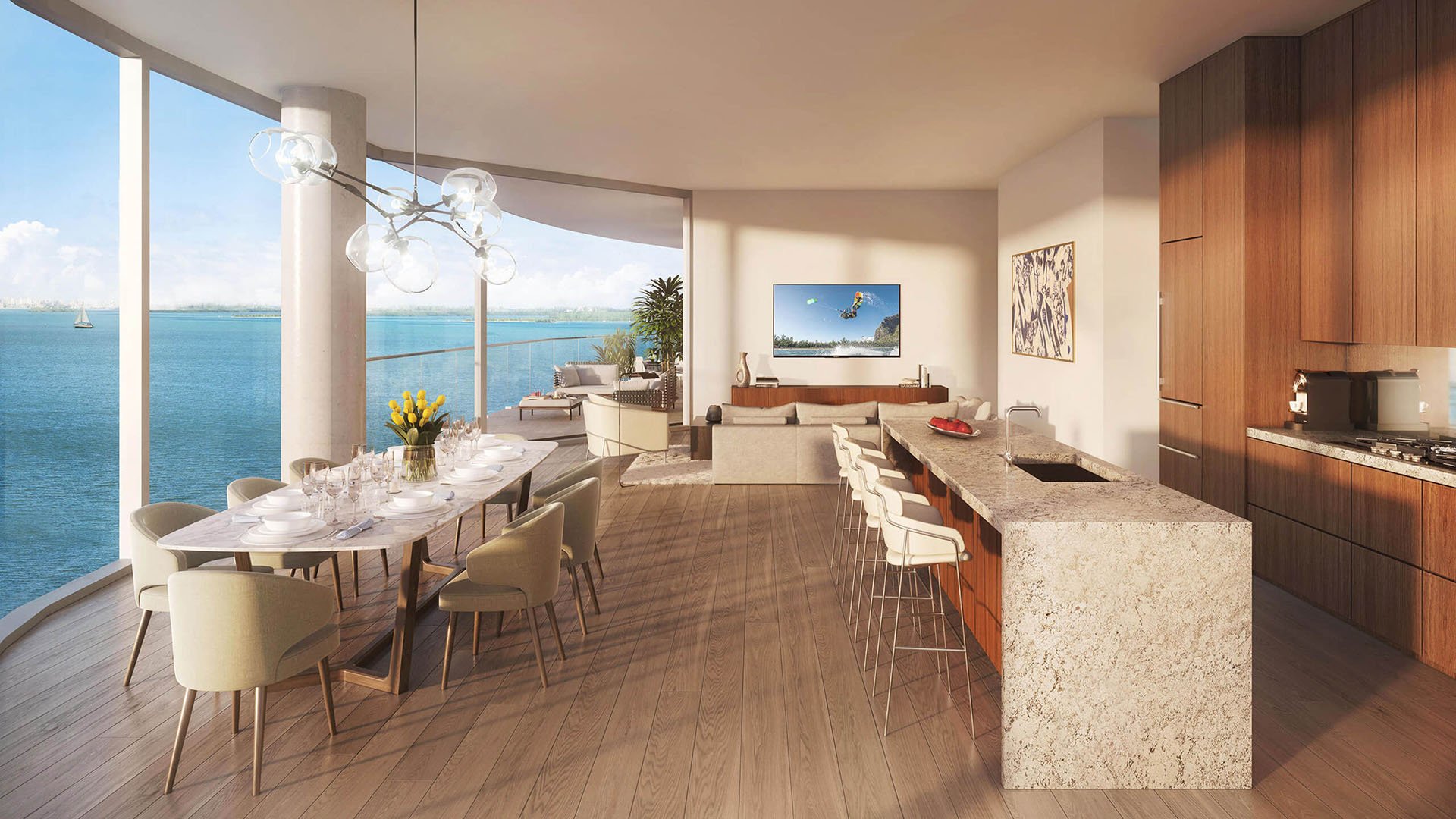
When evaluating 2200 Brickell, for example, the Brickell address belongs in a property-specific review-not an assumption about rental eligibility. Request governing documents and have advisers confirm that the proposed use is permitted before incorporating it into the investment plan. Apply the same discipline to every residence discussed here; inclusion establishes neither a project’s rental permissions nor its insurance suitability.
The dwelling-use safe harbor provides a framework for treating a residence as held for investment or productive business use for Section 1031 purposes. For a replacement dwelling, ownership must continue for at least 24 months immediately after the exchange.
Within each of the two post-exchange 12-month periods, the residence must be rented to another person at a fair rental for at least 14 days. Personal use in each period cannot exceed the greater of 14 days or 10% of the days rented at a fair rental. These are separate annual tests, not a single two-year rental target.
The calculation merits close attention. If a dwelling is rented at a fair rental for 200 days in an applicable period, the personal-use ceiling under this test is 20 days. At 100 rental days, the ceiling is 14 days. Have tax advisers confirm which days count before approving family stays.
Maintain market-rent evidence, executed leases, payment records, property-manager statements, and a calendar distinguishing rental from personal use. These records are practical safeguards, not additional statutory safe-harbor conditions. Meeting the dwelling-use conditions does not establish compliance with every other Section 1031 requirement.
Bring flood coverage into the acquisition schedule early. A new NFIP policy normally becomes effective 30 days after purchase; a payment receipt is not evidence of immediate protection. Ask the broker to document the effective date and any interval during which the intended coverage remains inactive.
A mortgage-related exception removes the waiting period when flood insurance is purchased in connection with making, increasing, extending, or renewing a mortgage. Do not extend that exception to every closing. Have the lender and broker confirm that the transaction qualifies, and retain their written explanation.
Certain flood-map changes and qualifying post-wildfire circumstances can also alter the normal waiting period. Review those exceptions individually and confirm applicable requirements before binding rather than relying on dated guidance.
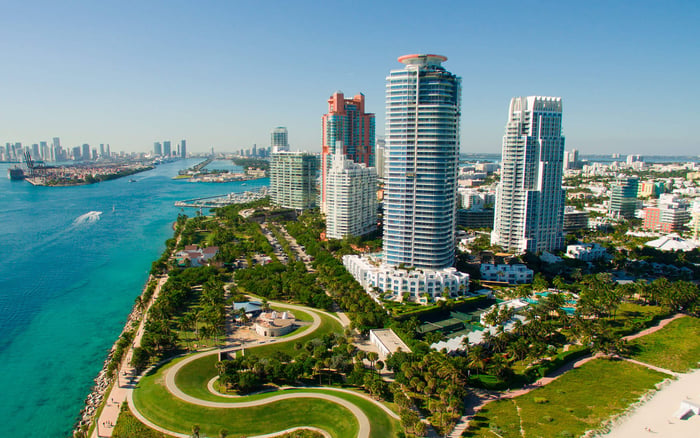
For a Miami Beach acquisition such as 57 Ocean Miami Beach, the operational question is straightforward: on what date does the intended flood protection begin? The residence’s appeal should not displace that calendar question.
Obtain NFIP and private-flood quotes using the same proposed occupancy and property schedule. Ask each broker to identify effective dates, waiting periods, limits, deductibles, covered property, valuation provisions, and exclusions. Compare the written terms without assuming that either option is inherently broader.
Review private-flood coverage with particular care around additional living expenses. Florida’s private residential flood-insurance coverage takes different forms, and applicable policies must specify whether that protection is included or excluded. Confirm the governing requirements and actual policy form at purchase rather than relying on a dated provision.
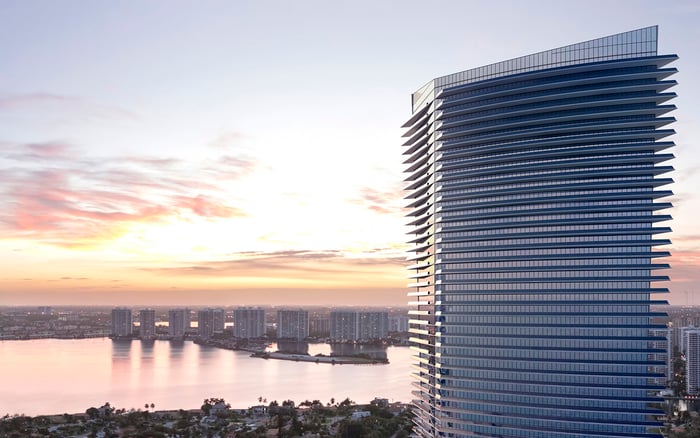
For a prospective residence at Jade Signature Sunny Isles Beach, request the wording that supports each proposed benefit. The Sunny Isles Beach location and project name do not establish a particular coverage outcome. Private flood insurance alone is not proof of temporary-housing protection.
NFIP building coverage does not automatically insure belongings. Building and contents protection must be selected separately, and residential contents coverage is available up to $100,000. For a furnished luxury residence, that ceiling may leave a substantial gap.
Prepare an inventory before accepting a limit. Ask the broker to review furnishings and high-value belongings against covered-property definitions, location restrictions, and loss valuation. Review those limitations for the specific residence rather than assuming that everything inside receives identical treatment.
Timing matters here, too. Contents-only policies have a 30-day waiting period unless the contents are part of the security for a loan. Confirm the applicable treatment in writing rather than relying on dated guidance or assuming that a building-policy exception also resolves contents timing.
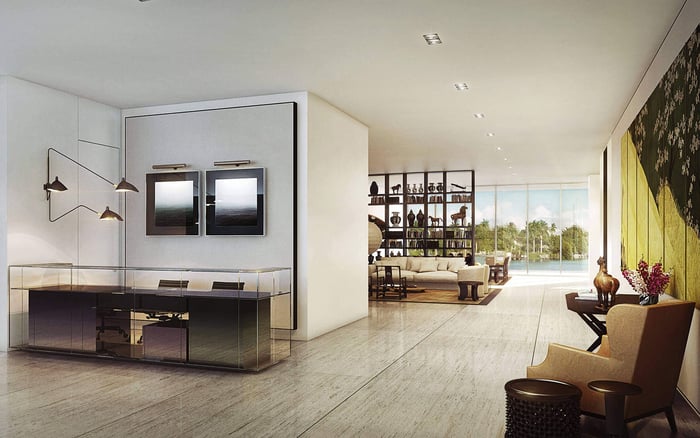
A furnished acquisition at Alba West Palm Beach should prompt the same inventory exercise. Treat the interior as a distinct financial exposure, not merely a component of the purchase price.
NFIP covers direct physical flood damage but does not provide additional living expenses. Physical-damage coverage is therefore not a complete answer to displacement or interrupted occupancy.
Ask separately about flood-triggered temporary housing, additional living expenses, lost rental income, and fair rental value. These terms are not interchangeable. Request written confirmation of who is protected, what event activates the benefit, what limits apply, and which exclusions could prevent payment.
The intended rental operation belongs in that review. Have the broker confirm whether the policy matches long-term, seasonal, or vacation-rental use. The safe harbor’s 14-day rental minimum is a tax-use threshold, not a description of the insurance needed for the actual operation.
Before closing, align the qualified intermediary, tax advisers, property manager, lender, insurance broker, and closing agent around the exchange timeline and insurance inception date. Keep the use calendar, rental evidence, occupancy confirmation, policy documents, and coverage explanations together.
The objective is not a larger file for its own sake. It is a clear record that the investment plan, permitted use, and insurance terms have been reviewed independently, then coordinated. Maintain that discipline through the two post-exchange 12-month periods rather than treating closing as the final checkpoint.
For a discreet perspective on South Florida residences, explore MILLION.
If branded residences are on your mind — as a home or as an allocation — we would be glad to share what we are seeing, privately.
Begin a quiet conversationThe replacement dwelling must be owned for at least 24 months immediately after the exchange to satisfy the dwelling-use safe harbor.
In each of the two post-exchange 12-month periods, the dwelling must be rented to another person at a fair rental for at least 14 days.
In each applicable 12-month period, personal use cannot exceed the greater of 14 days or 10% of the days rented at a fair rental.
No. Meeting these conditions does not establish compliance with every other Section 1031 requirement.
A new NFIP policy normally becomes effective 30 days after purchase. Confirm the effective date before relying on coverage.
No waiting period applies when flood insurance is purchased in connection with making, increasing, extending, or renewing a mortgage. Have the broker and lender confirm the transaction qualifies.
No. Building and contents coverage must be selected separately, and residential NFIP contents coverage is available up to $100,000.
The April 2021 guidance states that contents-only policies have a 30-day waiting period unless the contents secure a loan. Confirm the applicable treatment before purchase.
No. NFIP covers direct physical flood damage but does not provide additional living expenses.
No. Review the actual policy and obtain written confirmation of temporary-housing, additional-living-expense, and rental-income benefits separately.