
A disciplined residence search separates the purchase structure from the qualities that make a home worth owning. Examine neighboring development potential, test assumptions about views, and investigate wind comfort and terrace use before choosing between a direct developer purchase and an assignment.
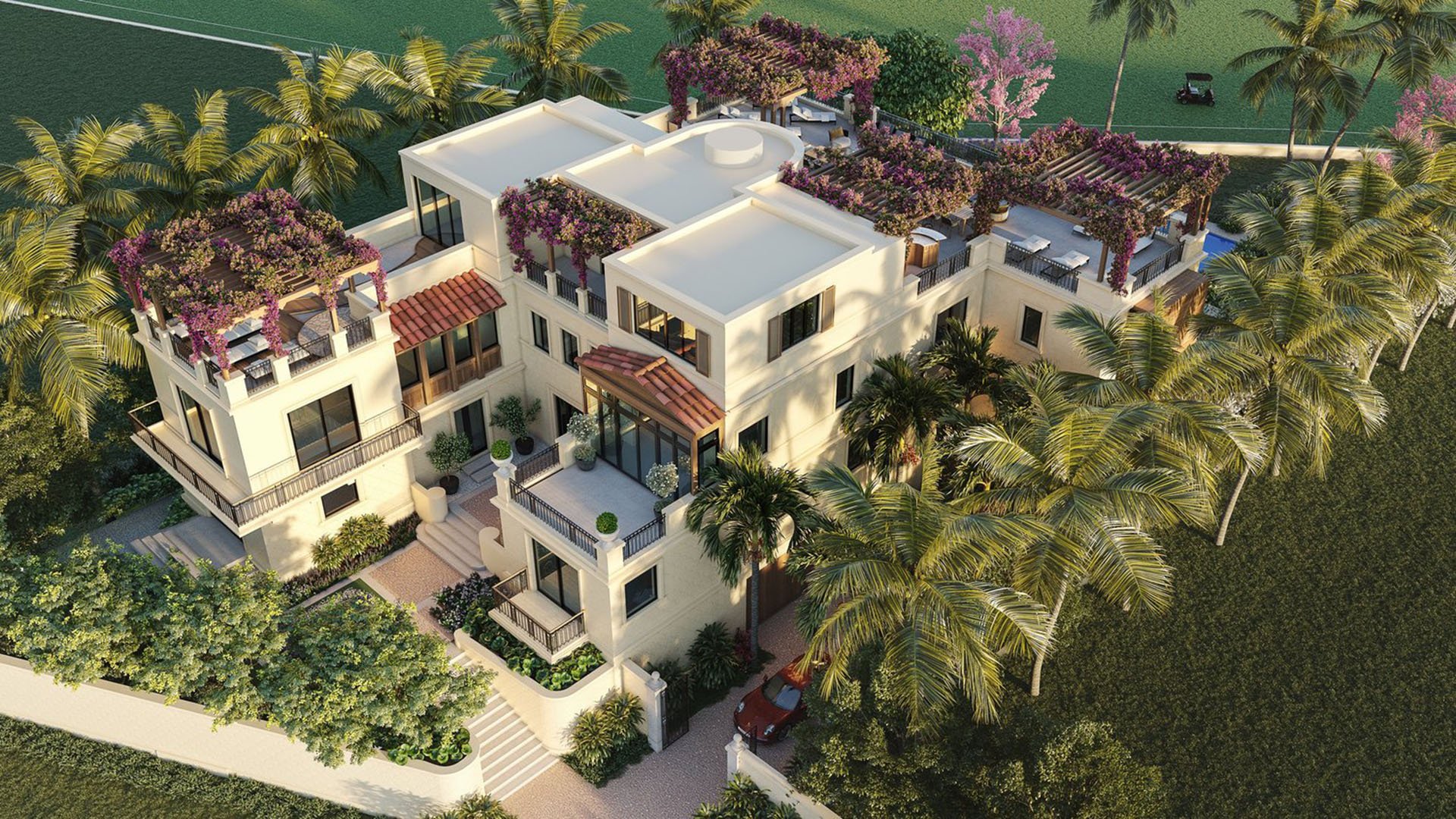
The most consequential question in a South Florida residence search is not always how to acquire the home. It is what, precisely, makes that home worth acquiring. A particular outlook, an outdoor dining setting, or a sense of separation from neighboring buildings deserves close examination before the conversation turns to a direct developer purchase or a preconstruction assignment.
Treat these as two parallel decisions. One concerns the residence: its orientation, surrounding parcels, and suitability for the way you intend to live. The other concerns the proposed transaction and the documents your attorney must evaluate. Neither purchase route replaces an independent assessment of the home itself.
For a buyer considering The Residences at 1428 Brickell, begin with a residence-specific brief, not a general impression of Brickell. Identify the outlook that matters, the outdoor activities you anticipate, and the uncertainties that would change your decision. Apply the same brief to every opportunity, regardless of who presents it.
Examine a view as a relationship between the residence and the land beyond it. Identify the intervening parcels, then investigate their applicable zoning, permitted height, setbacks, and density controls. Existing buildings are part of the setting, but they are no substitute for understanding development capacity.
Distinguish between two propositions: an outlook appears open today, and an outlook has established legal protection. The first is not evidence of the second. Ask counsel what, if anything, supports a claim of protection, and have a qualified land-use professional assess the relevant neighboring parcels.
Establish the applicable jurisdiction before evaluating zoning provisions. Do not assume a county rule governs every parcel across South Florida, or carry a rule from one municipality into another without confirming its applicability.
On a Miami Beach shortlist that includes The Perigon Miami Beach, ask the same parcel questions without importing City of Miami rules. A project name does not establish whether a particular sightline is durable. That requires a location-specific examination.
Do not treat a neighboring parcel's current low-rise condition as evidence of a permanent height limit. Ask your land-use adviser to assess the applicable development rules and any conditional pathways that could affect the parcel's potential. This is a reason to investigate, not a basis for declaring that a tower will be built or assigning an unsupported future height to a site.
Ask your adviser to distinguish what is permitted, what has been proposed, and what remains conditional. Keep those categories on separate lines in the decision brief. A potential development envelope is not a construction schedule, and a proposed building is not an inevitable outcome.
For a Coconut Grove search that includes Four Seasons Residences Coconut Grove, apply the same discipline: investigate the specific parcels affecting the residence rather than drawing conclusions from the neighborhood's overall character.
Begin by asking your adviser to locate relevant zoning applications and related records, including historical files where available. Confirm the scope of the search and whether older materials require a separate request. Do not assume a single application tells the entire story.
Ask which planning determinations, zoning interpretations, surveys, or descriptions of proposed work would help clarify the parcel's status. Where a waiver or other application is involved, have your adviser confirm the applicable documentation requirements rather than relying on a generic checklist.
Keep building plan review separate from zoning review. Have the professional reviewing the file identify each document's purpose and status, then explain which conclusions it supports. The goal is a decision-ready account of neighboring development potential, not a collection of paperwork.
Wind exposure belongs in the lifestyle brief, but it should remain a question until residence-specific evidence supports an answer. Do not assign a comfort rating from a rendering, a floor designation, or the appeal of an outdoor setting.
Ask whether an appropriate technical assessment is available and whether it addresses the location you intend to occupy. If access is possible, arrange observation and discuss its limitations with a qualified professional. A visit can inform the inquiry; it cannot guarantee conditions throughout the year.
For a Sunny Isles Beach comparison involving Bentley Residences Sunny Isles, describe your intended routine precisely: breakfast outside, evening dining, or quiet reading. Test those expectations against the specific residence rather than treating them as statements about the project's wind conditions or outdoor comfort.
A terrace deserves a written use brief. Sketch the dining arrangement, seating, circulation, and privacy you want. Then ask which dimensions and design details are documented and which assumptions need confirmation.
Separately, have counsel identify the documents establishing the terrace's legal status and applicable use provisions. Ask whether your intended furnishings, planting, shading, or other installations are permitted. Do not infer permission from an illustration or assume restrictions that have not been established for the residence.
Keep physical suitability and legal permission distinct. Request the relevant design information for one and governing documentation for the other. The goal is simple: an outdoor room that supports your routine, with its important conditions understood before commitment.
For a direct developer opportunity, ask counsel to assess the proposed purchase documents. For an assignment opportunity, request a joint review of the underlying purchase documents and proposed assignment documentation. Consent, deposits, obligations, deadlines, and remedies are questions for that review, not assumptions to carry over from another transaction.
Compare the opportunities under the same headings: residence suitability, view uncertainty, neighboring development potential, wind assessment, terrace permissions, and transaction terms. Mark each material point as established, conditional, or unresolved. Where a feature is central to your enjoyment, decide how much uncertainty you are willing to accept.
The better choice is the opportunity whose documented qualities and understood terms fit your priorities-not the route that sounds simpler in conversation.
Explore South Florida residences with MILLION to refine a shortlist around the way you want to live.
If branded residences are on your mind — as a home or as an allocation — we would be glad to share what we are seeing, privately.
Begin a quiet conversationEvaluate the residence and the transaction separately. Compare the documented qualities of the home, unresolved lifestyle questions, and attorney-reviewed terms before choosing a route.
Identify intervening parcels and examine their applicable zoning, permitted height, setbacks, and density controls. Ask counsel to evaluate any claim that the view has legal protection.
Do not treat the existing building as proof of a permanent height limit. Ask a land-use adviser to investigate the parcel's potential development envelope.
Ask a land-use adviser to distinguish what is permitted, proposed, and conditional. Do not treat a potential development envelope as a construction schedule.
Establish the applicable jurisdiction for each parcel. Have your adviser confirm which rules apply rather than carrying assumptions from one municipality into another.

.jpg&width=700&height=438&fit=cover)

Ask your adviser to review relevant historical applications where available. Confirm whether the search covers older files or requires additional requests.
Ask which planning determinations, zoning interpretations, and application records are relevant to the parcel. Have the adviser explain each document's status and significance.
Have your adviser confirm the applicable documentation requirements and review the relevant materials. Ask what those documents establish and what remains unresolved.
Request residence-specific technical information and discuss its relevance with a qualified professional. If a visit is possible, use it to inform the inquiry rather than guarantee year-round conditions.
Check documented dimensions and design details against the intended layout. Separately, ask counsel to establish the terrace's legal status and whether the planned uses or installations are permitted.