A cash closing does not establish a Miami condominium’s eligibility for a later mortgage. Buyers who expect to restore liquidity should have their intended lender assess the building’s finances, insurance, condition and legal exposure before purchasing.
For a Miami condominium buyer, paying cash can separate the acquisition from the financing timetable. The residence can be purchased first, with borrowing considered later as part of a broader liquidity strategy. That sequence, however, leaves an important question unresolved: will the building qualify for the intended loan?
A completed cash purchase does not establish condominium-project eligibility. A lender originating a mortgage for delivery to Fannie Mae must evaluate the project separately from the borrower. Substantial equity, excellent credit and strong income cannot, by themselves, overcome an ineligible building.
The practical implication is straightforward: if later financing matters to the purchase strategy, ask the intended lender to assess the condominium before completing the cash acquisition-not after the capital has been committed.
Luxury buyers naturally focus on the qualities they will experience daily: outlook, privacy, layout and service. Mortgage eligibility requires a different lens, extending beyond the individual residence to the association’s finances, insurance, physical obligations and legal exposure.
For a buyer considering Una Residences Brickell, selecting a residence in Brickell does not answer the financing question. The intended lender must determine which project review applies to the proposed loan and whether the required documentation supports eligibility.
This is a diligence principle, not an assessment of that property or any other development mentioned here. A project’s name, positioning or appeal should never substitute for a current lender review.
Keeping these decisions separate also helps the buyer distinguish personal borrowing capacity from the building’s acceptability as collateral under a particular lending program.
A recently approved budget is useful, but it is not the entire financing test. Project review can examine reserve funding, insurance, assessment delinquencies, litigation, special assessments and repair obligations alongside the association’s operating finances.
Request a coordinated diligence file rather than a handful of disconnected documents. Association financials, the current budget, reserve studies, applicable milestone-inspection materials, engineering documents, insurance information, assessment notices, litigation details and repair records each answer a different question.
The objective is to understand how those pieces fit together. Does a repair obligation have an identified funding plan? Does the budget reflect the association’s reserve position? Are assessment notices consistent with the work described in the engineering materials?
The lender and the buyer’s advisers should resolve these questions from the actual documents. A reassuring summary from one participant should not replace the underlying file.
A milestone inspection and a structural-integrity reserve study serve different purposes. The inspection addresses building condition; the reserve study addresses funding for specified structural components. Having one does not make the other irrelevant.
Florida’s 2025 condominium-law changes limited milestone-inspection requirements primarily to buildings with three or more habitable stories. Buyers should establish which requirements apply to the specific building rather than assume every condominium follows an identical framework.
Significant deferred maintenance, unsafe conditions or evacuation orders can prevent eligibility for Fannie Mae- or Freddie Mac-backed financing until the underlying problems are resolved. The issue is not merely whether documents exist, but what they reveal and what remains outstanding.
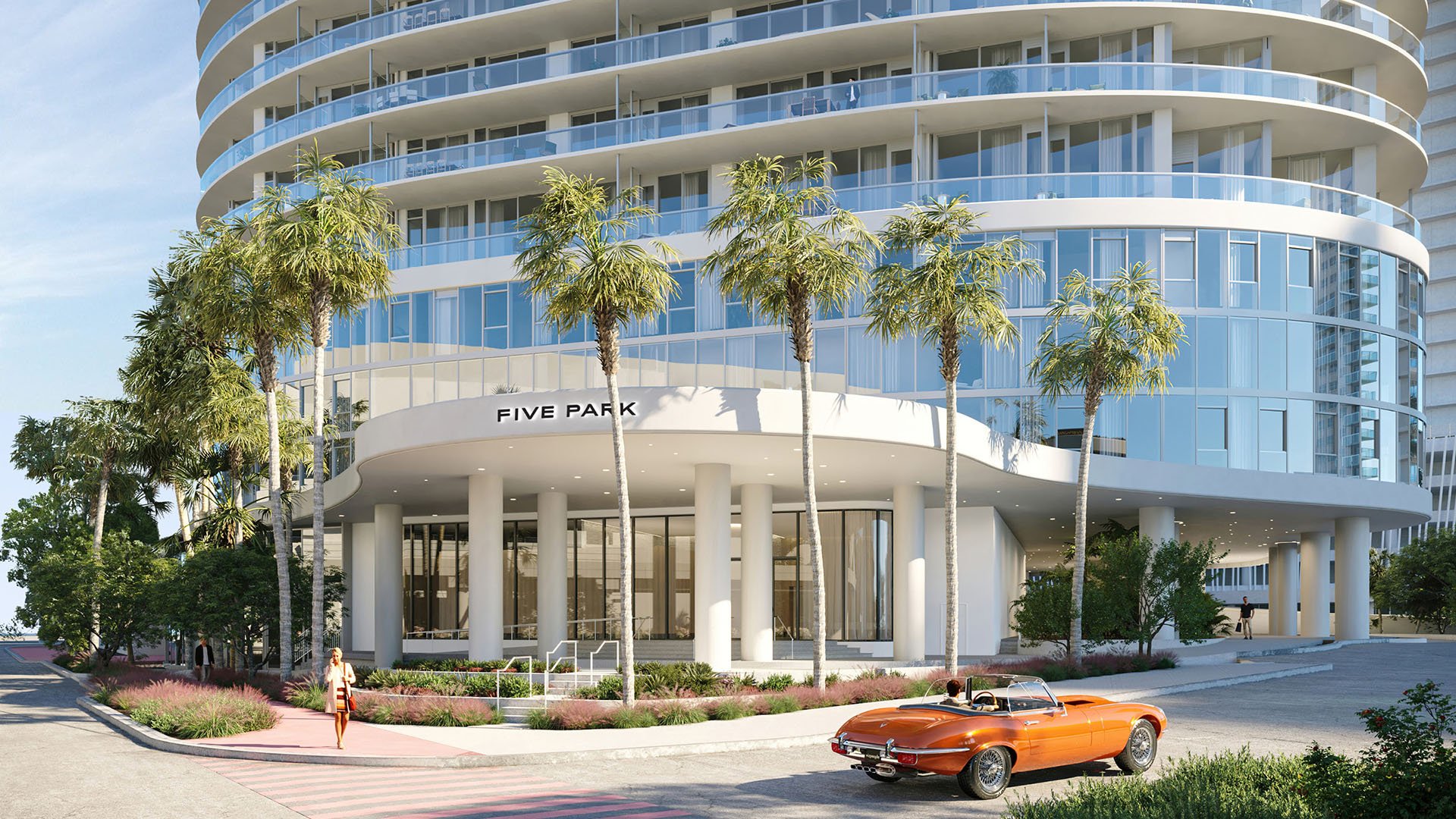
For a search that includes Five Park Miami Beach, apply the same distinction between residential selection and financing diligence. Miami Beach appeal does not answer a lender’s project-level questions.
Association master insurance deserves its own review. Occupancy and the ability to complete a cash sale do not establish that the building satisfies the intended mortgage program’s insurance requirements. Ask the lender to evaluate the association’s insurance documents rather than infer acceptability from the building’s day-to-day operation.
Litigation requires similar precision. A lawsuit is not automatically disqualifying. Minor matters without relevant structural, safety, habitability or functional-use impacts may qualify under exceptions to Fannie Mae’s standards.
Conversely, litigation affecting structural soundness, safety, habitability, functional use or the association’s financial stability can make a project ineligible. The useful question is not simply whether litigation exists, but what the dispute concerns and how it affects the project under the applicable lending requirements.
Obtain enough information to evaluate that distinction before relying on a later mortgage.
Florida’s 2025 legislation permits qualifying unit-owner-controlled associations that completed a milestone inspection within the preceding two years to temporarily pause or reduce reserve contributions to fund inspection-related repairs, subject to statutory conditions.
That relief requires a majority vote of the total voting interests. It applies to no more than two consecutive annual budgets and concerns budgets adopted on or before December 31, 2028.
For a prospective buyer, the essential distinction is between legal permission and mortgage eligibility. A reserve-contribution decision permitted under state law does not, by itself, establish that a condominium satisfies the intended lender’s project requirements.
Reserve funding remains a substantive underwriting issue, and an acceptable reserve study can be relevant to meeting project-review requirements. Do not treat a single reserve percentage as a universal answer. Applicable rules and effective dates require confirmation for the proposed loan.
Before the cash purchase, explain the intended financing strategy to the lender. Ask which lending program is being considered, what project review it requires, which association documents are needed and whether any unresolved condition could prevent approval.
For a buyer evaluating Jade Signature Sunny Isles Beach, the same approach applies: assess the Sunny Isles Beach residence and the future borrowing strategy together, while keeping their approval questions distinct.
Ask the lender to distinguish outstanding document requests from substantive eligibility concerns. Missing insurance information and an identified insurance deficiency are not the same finding. Likewise, pending clarification about repairs should not be mistaken for confirmation that the project meets the applicable standards.
An upfront assessment reduces uncertainty. It is not a promise of future loan approval, and the financing plan should not treat it as one.
Fannie Mae and Freddie Mac eligibility should not be confused with every possible financing option. These project standards do not establish that all lenders will reject a particular building. Any alternative route needs its own evaluation; another lender should not be assumed to resolve the issue.
The disciplined cash buyer therefore makes two decisions: whether the residence merits ownership and whether the financing uncertainty is acceptable. If recovering liquidity is essential, project review belongs before the purchase. If financing remains optional, the buyer should still understand what could constrain it.
For a considered approach to Miami condominium ownership, explore residences with MILLION.
If branded residences are on your mind — as a home or as an allocation — we would be glad to share what we are seeing, privately.
Begin a quiet conversationNo. A cash closing does not establish project eligibility, which the lender must evaluate separately for the intended loan.
Not by themselves under Fannie Mae’s project standards. Borrower qualifications and condominium-project eligibility are separate requirements.
Before completing the purchase if later financing matters to the buyer’s liquidity strategy. An early assessment reduces uncertainty without guaranteeing future approval.
Request financials, the budget, reserve studies, applicable inspection materials, engineering documents, insurance information, assessment notices, litigation details and repair records.
No. Project review can also examine reserves, insurance, delinquencies, litigation, special assessments and repair obligations.
No. Minor matters may qualify under exceptions, while litigation affecting safety, structural soundness, habitability, functional use or financial stability can make a project ineligible.
A milestone inspection addresses building condition. A structural-integrity reserve study addresses funding for specified structural components.
No. Qualifying relief under state law does not by itself satisfy a lender’s condominium-project requirements.
No. Occupancy and the ability to complete a cash sale do not establish compliance with the intended mortgage program’s insurance requirements.
No. Fannie Mae and Freddie Mac standards do not determine every possible financing option, but any alternative requires its own evaluation.