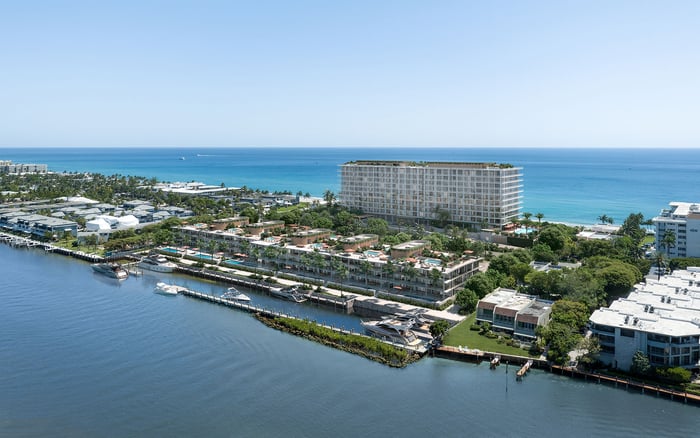
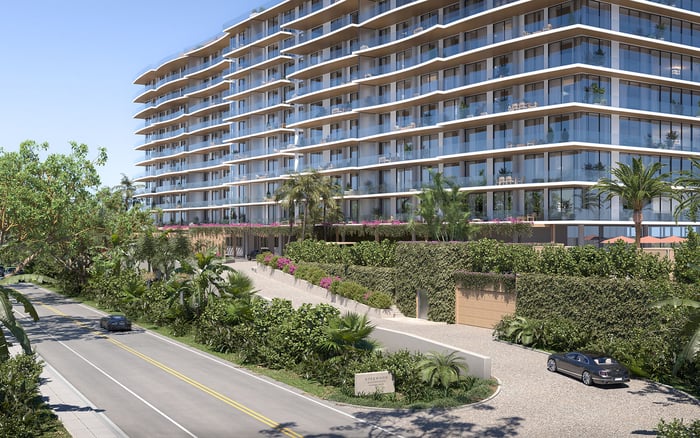
A Pompano Beach penthouse deserves a document-led review. Understand rooftop ownership versus exclusive use, mechanical access, terrace repair obligations and the evidence needed before assigning a premium to outdoor space.

A Pompano Beach penthouse draws the eye upward: open sky, a generous terrace, the prospect of outdoor living above neighboring residences. Yet the most consequential distinctions may lie in the condominium declaration rather than the floor plan. A rooftop can offer exclusive use without becoming part of the unit, and an inviting terrace can carry obligations that are not apparent during a showing.
For a 2026 purchase, separate four questions: what you own, what you may use, who may enter, and who pays. Only then should the outdoor feature enter the valuation discussion. Across Broward, the discipline is the same: architectural appeal and documented rights warrant separate consideration.
Before a 2026 closing, have counsel confirm applicable law and the current recorded documents, amendments and rules. Do not presume older provisions remain unchanged.
Florida defines common elements as condominium property outside the units. Limited common elements remain common elements, but the declaration reserves their exclusive use for specified units. Neither category should be casually described as association-owned property.
The first task is to establish boundaries. Ask counsel to reconcile the recorded declaration, amendments and unit plans with every rooftop or terrace area presented during the sale. Identify whether each area falls within the unit, is designated for exclusive use, or remains available under another arrangement. A private stair or longstanding use does not, by itself, establish limited-common-element status.
For a buyer considering The Ritz-Carlton Residences® Pompano Beach, this is a document request-not a conclusion about any residence’s rooftop rights. The selected unit’s legal description must lead the analysis.
Exclusive use does not settle responsibility for repairs. Florida law generally places common-element maintenance with the association, while allowing declarations to allocate certain limited-common-element maintenance to the benefiting owners.
Request a written responsibility schedule that distinguishes routine cleanliness, surface finishes, waterproofing, drainage, structural components and replacement work. These are review categories, not universal legal allocations. Ask counsel to identify the controlling provision for each rather than accept a general assurance that the association handles the terrace.
Apply the same discipline when reviewing Armani Casa Residences Pompano Beach: establish the allocation for the selected residence without inferring it from branding or presentation.
An obligation to keep an attached terrace neat and trim does not resolve every repair issue. Nor does association responsibility guarantee insurance coverage or eliminate an owner’s share of common costs. Review maintenance, expense allocation and insurance separately.
Treat mechanical adjacency first as an access and responsibility issue. Florida’s common-element provisions include easements through units for utility conduits, ducts, plumbing, wiring and related facilities. Installations needed to serve more than one unit, or common elements, can themselves be common elements.
Check whether rooftop equipment has documented access easements for maintenance, repair or replacement. Exclusive use of an outdoor area should not be assumed to exclude all service access.
Request plans showing equipment locations and documented access routes. Clarify whose equipment is involved, who services it, whether access crosses the terrace or interior, and what procedures apply to routine visits and emergencies. Have the answers checked against the governing documents.
For a residence under consideration at Waldorf Astoria Residences Pompano Beach, treat these as inspection questions, not assertions about its mechanical layout. Equipment proximity alone does not establish noise, vibration, odor or a resale discount. Evaluate actual conditions rather than translating a plan symbol into a pricing adjustment.
Do not confuse roof proximity with permission to enter. Check whether the building restricts roof access to authorized personnel and whether its rules assign owners responsibility for roof damage caused by contractors they hire.
Before commissioning terrace improvements or equipment work, establish authorization requirements, permitted access and responsibility for damage. Exclusive use does not replace the need to review contractor rules.
Apartment entry also belongs in the privacy discussion. Ask counsel to explain any association access rights for common-element repairs and the procedures applicable to the residence you intend to buy.
A rooftop may be central to your enjoyment without supporting the same premium in an appraisal. Do not assume a standard percentage uplift for roof rights or a standard discount for mechanical adjacency. Any proposed adjustment needs property-specific support, not an appealing label.
Before settling on a premium, give the appraiser the recorded rights, relevant plans, expense allocations and access provisions. Ask how proposed comparable sales differ in their outdoor-space rights and obligations. Do not assume enclosed living area and exclusive-use outdoor space should receive identical treatment.
When comparing a candidate at Ocean 580 Pompano Beach with another residence, distinguish personal preference from supported value. These project references provide context for a property search, not findings about individual units or their appraisals.
If financing is involved, ask the lender how an appraisal below the contract price would affect your transaction. Resolve that scenario before relying on a rooftop premium to support the purchase.
A useful review file contains the recorded declaration and amendments, unit and limited-common-element plans, maintenance allocations, roof-access provisions and contractor rules. Add written clarification of unresolved boundaries, repair duties and access routes. Then have counsel reconcile those answers with the controlling documents.
The objective is not to diminish the pleasure of a penthouse. It is to know whether the outdoor room you envision comes with the privacy, permissions and financial responsibilities you are prepared to accept. A compelling view is most persuasive when its legal and practical terms are equally clear.
For a discreet conversation about your Pompano Beach property search, connect with MILLION.
If branded residences are on your mind — as a home or as an allocation — we would be glad to share what we are seeing, privately.
Begin a quiet conversationNo. The declaration and unit boundaries determine whether the rooftop is part of the unit or a common element with specified use rights.
It is a common element reserved for the exclusive use of specified units through the declaration. Exclusive use is not the same as inclusion within the unit’s boundaries.
Use alone does not establish limited-common-element status. Review the declaration’s designation and relevant plans.
Florida law generally assigns common-element maintenance to the association. Declarations may allocate certain limited-common-element maintenance to the owners entitled to use those areas.
Request a responsibility schedule covering upkeep, finishes, waterproofing, drainage, structural work and replacement. Have counsel identify the controlling provision for each obligation.
No. Maintenance responsibility and insurance coverage require separate review, and owners may still share common expenses.
Applicable easements and governing documents may provide access for utilities, equipment or common-element repairs. Confirm the routes and procedures for the particular residence.
No automatic adjustment should be assumed. Actual conditions, documented access rights and property-specific valuation evidence need separate evaluation.
Confirm authorization requirements, permitted access and responsibility for any roof damage. Do not assume exclusive use overrides the building’s contractor rules.
Have counsel confirm current applicable law, recorded declarations and amendments, plans, maintenance allocations and access rules. Do not assume older provisions remain unchanged.