A precise framework for evaluating rooftop access, mechanical exposure, terrace obligations and appraisal risk before acquiring a Boca Raton penthouse.
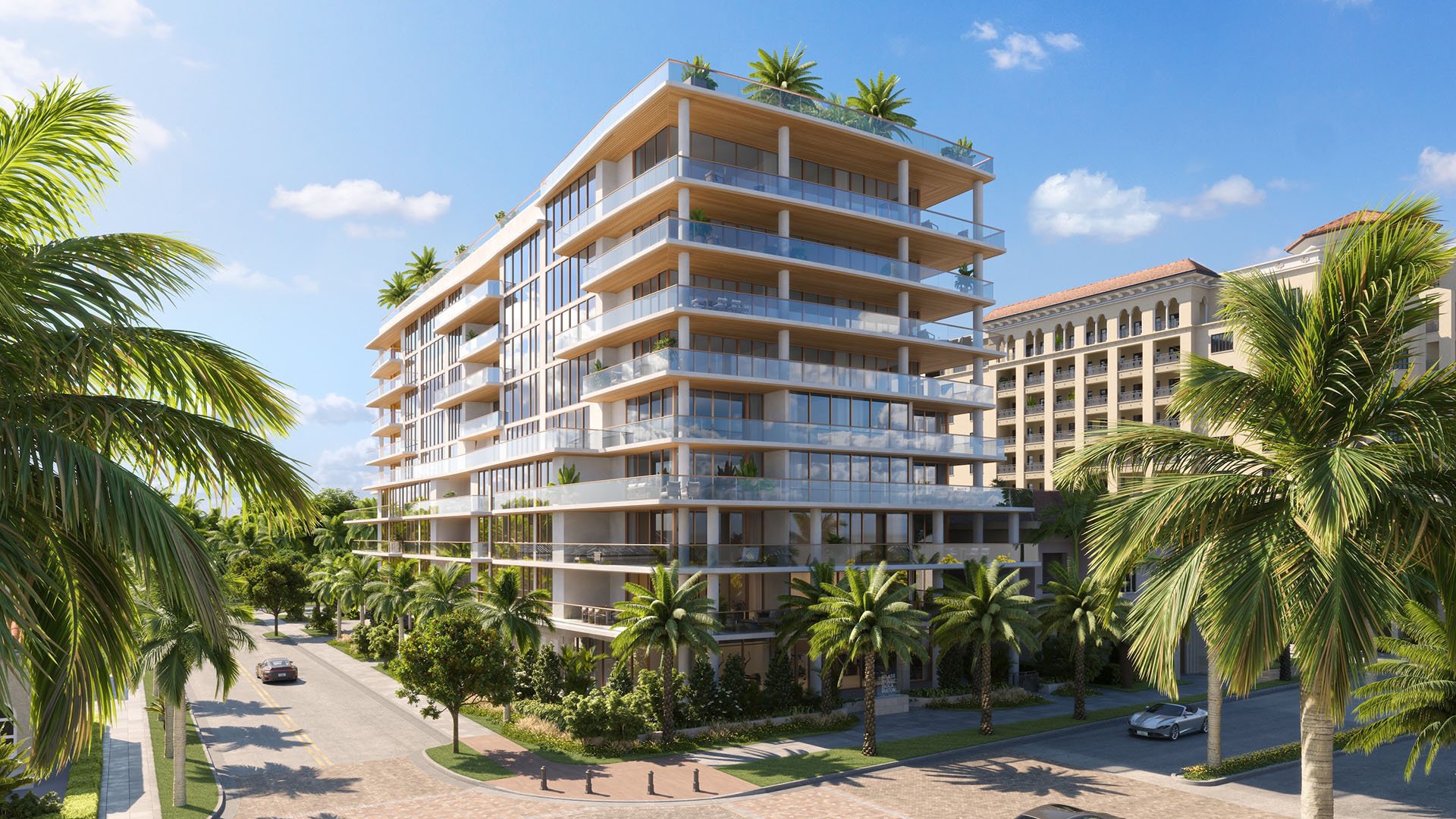
At the top of a Boca Raton condominium, the most seductive features can also be the least straightforward. A private stairway to the roof, an expansive terrace or a discreetly screened mechanical zone may appear to extend the residence. Legally and financially, however, each may occupy a different category.
Florida condominium law and the building’s declaration determine whether an area is part of the unit, a common element or a limited common element reserved for specified residences. That distinction shapes access, alteration rights, maintenance costs, insurance exposure and, ultimately, appraisal confidence. Physical exclusivity alone is insufficient. A roof deck used only by the penthouse owner may still lie outside the unit’s deeded boundaries.
This issue deserves particular attention when comparing luxury options such as Alina Residences Boca Raton and Glass House Boca Raton. Both projects offer useful points of comparison within a broader Boca Raton search, but buyers must evaluate the governing documents for the specific condominium and residence rather than infer rights from architecture, access or marketing language.
The most valuable rooftop privilege is the one whose rights and costs are clearly documented.
The phrase “private roof rights” may describe exclusive use of a rooftop limited common element rather than fee-simple ownership of the structural roof. The declaration must establish the legal status. Private access, even when paired with long-standing use, does not by itself convert common property into part of the unit.
Begin with the recorded declaration, all amendments, the unit-boundary definition and any limited-common-element schedule or exhibit. Confirm whether the right is appurtenant to the residence, transfers automatically with a sale and is exclusive. Then identify restrictions on furniture, landscaping, cooking equipment, shade structures, lighting and enclosure. Alterations to a roof or terrace may require written association approval even when use is reserved for one owner.
When classified as a common element, the structural roof is generally maintained by the association, subject to allocations permitted by the declaration. Yet an owner may remain responsible for finishes, fixtures or improvements installed for private enjoyment. Buyers should not treat “private roof deck” as a complete statement of either ownership or expense.
A sophisticated review divides the rooftop condition into layers. The structural slab, roof membrane and waterproofing system may be the association’s responsibility, while pavers, decking, planters, screening, lighting and owner-installed features may fall to the penthouse owner. Similar divisions may apply to a balcony or terrace serving only one residence.
The distinction becomes critical when water intrusion occurs. If a common-element roof fails, the association generally addresses the failure. Responsibility for damaged interior finishes, personal property, deductibles and upgrades can still depend on the declaration and applicable insurance. Cost allocation should be mapped before closing, not reconstructed after a leak.
For buyers also considering The Residences at Mandarin Oriental Boca Raton, outdoor areas should be compared by legal treatment as well as scale and outlook. A larger terrace is not automatically a stronger asset when its maintenance obligations, alteration limits or waterproofing exposure remain unclear.
Penthouse positioning often brings proximity to rooftop HVAC equipment, exhaust systems, plumbing lines or other building infrastructure. Location alone does not determine financial responsibility. The essential questions are whom the equipment serves, how the declaration classifies it and whether maintenance is expressly assigned to an owner.
Equipment dedicated to one residence, such as an individual HVAC unit or water heater, is commonly assigned to that owner even when installed on a roof or exterior area. Dedicated HVAC equipment or plumbing may also be classified as a limited common element. Building-wide systems, by contrast, can implicate the association’s authority over structural, mechanical, electrical, plumbing and roof matters.
Request a plan identifying equipment adjacent to or above the residence, then determine which components are dedicated, shared or building-wide. Review technician access rights, replacement routes, screening permissions and responsibility for disturbance to terrace finishes during service. Because the legal framework does not establish building-specific acoustic performance, buyers should investigate vibration, operating sound and service activity directly rather than assume top-floor quiet.
A terrace may be reserved for one residence while remaining a limited common element. In that arrangement, the declaration may assign some or all maintenance, repair and replacement costs to the benefiting owner. Other documents may separate obligations for wiring, fixtures, screening, finishes and owner improvements from responsibility for the underlying slab or waterproofing.
The practical review should establish who cleans drains, replaces pavers, maintains railings and screens, removes finishes for waterproofing access and reinstalls them afterward. It should also determine whether the association can enter the area for roof or mechanical work and whether the owner bears the resulting restoration costs. Written approval requirements should be verified before assuming a terrace can be enclosed, shaded or materially redesigned.
The same discipline applies when Mr. C Residences Boca Raton enters the consideration set. Buyers should request the operative condominium documents for the property under review and have qualified Florida professionals interpret the allocation. Visually similar penthouses can carry materially different obligations.
A penthouse appraisal is most defensible when the legal character of every premium feature is documented. The appraiser should know whether a terrace or roof deck lies within the unit boundaries, constitutes a limited common element with exclusive use or remains common property subject to a revocable or restricted arrangement. That classification influences both the rights being acquired and the potential burden attached to them.
Outdoor area should not be casually equated with deeded interior space. Provide the recorded documents, relevant exhibits, floor plans and any written allocation of maintenance responsibility. Disclose approval limits, access rights and owner obligations that could affect marketability. If rooftop improvements were added, verify their authorization rather than assume their presence establishes a legal right.
Here, pricing-and-trends analysis must yield to property-specific documentation. Comparable residences may look alike in photographs while differing in the transferability of roof access, responsibility for terrace finishes or exposure to dedicated mechanical replacement. Those differences may not produce a simple formula, but they belong in the appraisal conversation.
Before the inspection period expires, assemble the declaration and amendments, unit-boundary provisions, limited-common-element schedules, maintenance clauses and available insurance information. Request records concerning past leaks, roof warranties, planned roof or mechanical work, reserve funding, special assessments and the allocation of deductibles and interior repairs.
Commission appropriate inspections of accessible roof interfaces, terrace drainage, waterproofing transitions and owner-serving equipment. Coordinate the legal, insurance, engineering and appraisal reviews so each professional works from the same documents. Any conflict among listing language, plans and recorded rights should be resolved in writing before closing.
The central principle is simple: luxury should be measured not only by private access, but also by durable rights, intelligible obligations and a purchase file precise enough to support future resale.
For discreet guidance on evaluating a Boca Raton penthouse acquisition, connect with MILLION.
If branded residences are on your mind — as a home or as an allocation — we would be glad to share what we are seeing, privately.
Begin a quiet conversationNot necessarily. It may provide exclusive use of a limited common element while the structural roof remains common property.
Florida condominium law and the recorded declaration, including unit boundaries and limited-common-element provisions, control its status.
The association generally maintains a common-element roof, subject to any permitted allocation in the declaration.
Yes. A declaration may assign maintenance, repair and replacement costs for a limited common element to the benefiting owner.
Dedicated equipment is commonly assigned to that owner, but its classification and maintenance clause must be verified in the declaration.
No. Responsibility depends on whom the equipment serves, how it is classified and what the governing documents assign.
Not automatically. The declaration may require written association approval or prohibit certain modifications.
The appraiser should know whether the area is part of the unit, a limited common element or another form of common property.
Review past leaks, roof warranties, repairs, insurance allocations, deductibles and responsibility for interior restoration.
Review the declaration, amendments, unit boundaries, limited-common-element schedules, maintenance clauses and relevant insurance information.