A buyer-focused look at 888 Brickell’s planned fashion-led interiors, furnished residences, hotel services and hybrid accommodation concept, with essential considerations for pricing, contracts and ongoing ownership.
At 888 Brickell by Dolce & Gabbana, the proposition goes beyond a fashion signature on a condominium. The planned Brickell tower combines furnished residences, an extensive hospitality program and a proposed configuration that allows certain homes to function as separate hotel accommodations. For buyers, the distinction lies in how those elements are intended to work together.
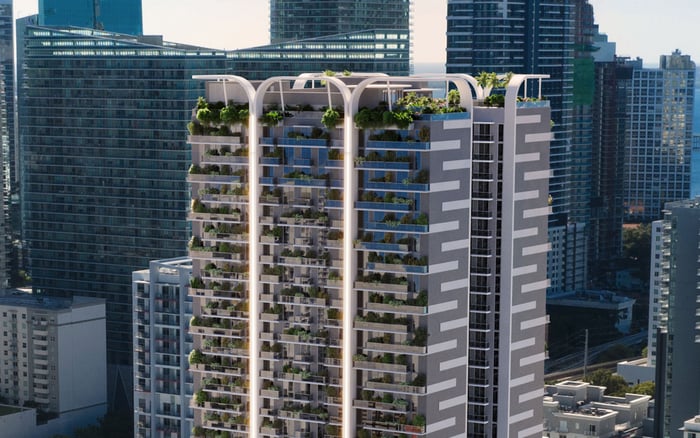
Developed in collaboration with JDS Development Group and GV Development, the project is planned at approximately 90 stories, with 259 residences. Offerings span one- to four-bedroom layouts, full-floor residences, duplexes and penthouses. These figures and configurations remain plans, not completed-building facts.
The central ownership question is more nuanced than whether the interiors appeal. It is whether a highly curated home, integrated hotel services and potential accommodation flexibility suit the buyer’s intended use, tolerance for operating obligations and preference for privacy.
Dolce & Gabbana provides the creative direction and design identity, with the project presented as the fashion house’s first branded residence. Studio Sofield is the architecture collaborator, while Ken Fulk is associated with the club, food-and-beverage and hospitality spaces.
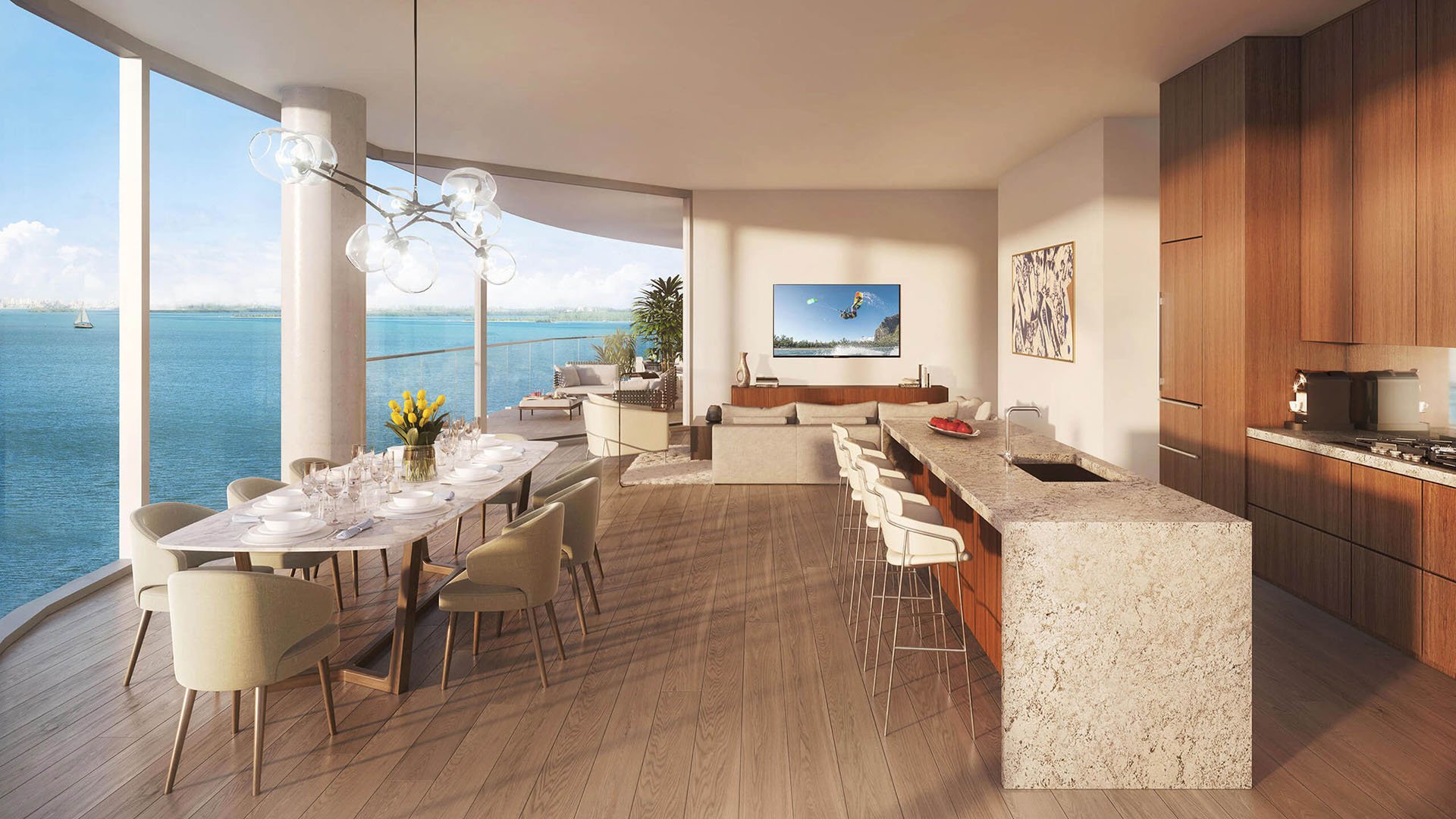
Residences are marketed as fully finished, furnished and turnkey. That changes the purchasing decision: rather than planning an independent fit-out, the buyer is evaluating a composed interior. The appeal is aesthetic coherence and the prospect of avoiding a separate furnishing process. The corresponding diligence is to establish precisely what the purchase includes.
Marketed specifications include ceilings up to 11 feet, floor-to-ceiling impact glass and private or semi-private keyed elevator access. Kitchens are described as custom Dolce & Gabbana designs with integrated Sub-Zero and Wolf appliances, complemented by Miele laundry equipment. Buyers should confirm specifications for the particular residence rather than assume the full program applies to every home.
Request a contractual inventory covering furniture, fixtures, appliances and decorative items. Equally important are substitution rights, warranties and any restrictions on replacing or altering the furnished scheme. Before signing, translate the turnkey description into a clear schedule of deliverables.
A useful Brickell comparison begins with the buyer’s priorities, not a ranking of brands. Someone also considering Cipriani Residences Brickell should ask the same questions of each offering: what is included, which services are contractual, and how much discretion does an owner retain over the home?
At 888 Brickell, the combination of furnished design and hospitality deserves particular attention. A buyer who welcomes a complete aesthetic may value that consistency differently from one who wants to commission a personal interior. Neither preference is inherently superior. The distinction is between admiring the presentation and accepting its continuing ownership terms.
The same discipline applies when reviewing The Residences at 1428 Brickell. Compare the documents governing each purchase rather than carry assumptions from one condominium to another. Furnishing obligations, service access and permitted use belong alongside layout and price in that assessment.
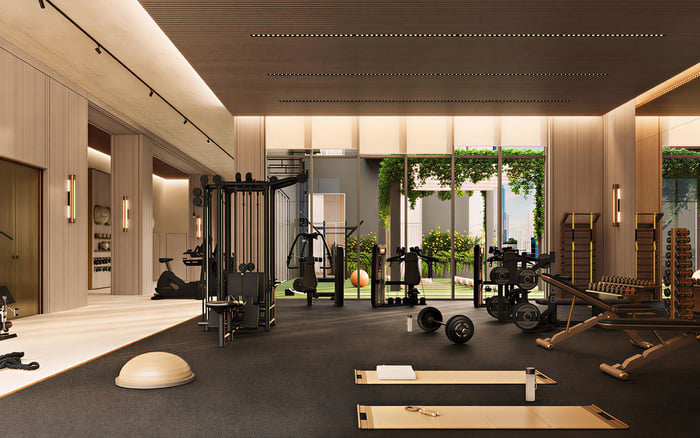
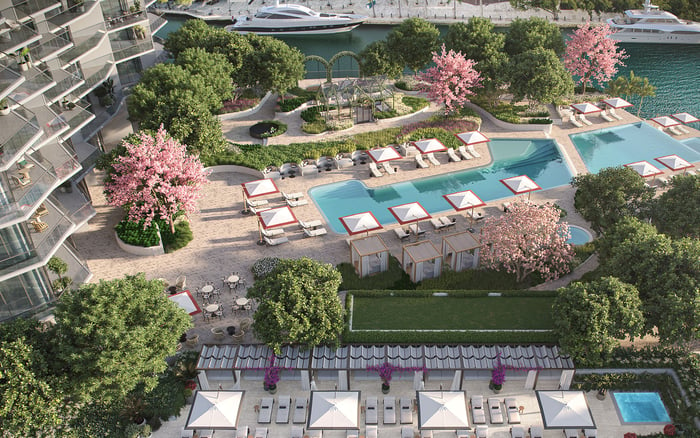
The amenity program is marketed at approximately 115,000 square feet. Planned facilities include a Dolce & Gabbana spa, elevated pool club, fitness center and private screening room. Additional offerings include a children’s playroom, pet-grooming facilities, business center, private wine storage, resident lounge and ballroom, together with valet and 24-hour concierge services.
The hospitality component is planned to include approximately 250 hotel rooms and suites. Six food-and-beverage outlets are contemplated, including a signature restaurant, lobby bars and poolside dining. This breadth is central to the concept, but an amenity’s presence does not establish an owner’s access terms.
Buyers should distinguish residential privileges from hotel or club access, including reservation procedures, guest policies and separately charged services. Ask how residents and visitors will move through the building, which spaces are shared, and whether access can change. These details determine how the hospitality offering translates into everyday convenience and privacy.
Certain larger residences are proposed with a hybrid or lockout configuration, allowing portions of the home to function as separate hotel accommodations when the owner does not need them. The illustrated three-bedroom Grand Residence can be transformed into hotel rooms and a hotel suite, with separate private entries intended to preserve privacy.
This is an accommodation concept, not a promise that every residence qualifies or that every owner can rent on identical terms. Each unit’s eligibility, physical configuration and governing agreements require individual review. Evaluate separate entries through the actual floor plan, not simply the description.
Before assigning financial value to this flexibility, establish permitted personal occupancy, rental restrictions, management fees, revenue sharing and booking control. Review furnishing obligations and termination rights in both the condominium and hotel agreements. Lockout capability does not guarantee rental income, occupancy or investment returns; the home should make sense without treating those outcomes as assured.
Indicative asking prices have ranged from approximately $2.2 million to $35 million, with another entry indication around $2.168 million. These figures provide only broad orientation. They do not confirm current inventory, a specific residence’s asking price or the terms available to a particular purchaser.
An indicative deposit schedule calls for 20% at contract, 10% at groundbreaking, 20% at top-off and 50% at closing. Buyers should verify the current schedule, milestone definitions and contractual conditions before planning cash commitments. No construction or delivery date should be inferred from those payment labels.
Ongoing ownership costs require a separate assessment. Condominium assessments, insurance, reserve contributions and furnishing-replacement charges are not established here and should not be estimated from the amenity count or purchase price. Request the applicable budget and agreements, then distinguish recurring obligations from discretionary services and any costs attached to hotel participation.
The strongest reason to consider 888 Brickell is alignment: an appreciation for Dolce & Gabbana’s design direction, a preference for furnished ownership and a genuine use for hospitality services. Potential lockout flexibility adds another dimension, but it should remain a documented feature rather than the foundation of an assumed return.
Evaluate the particular residence, its contractual inclusions and its operating obligations together. A compelling presentation begins the decision; a clear understanding of control, privacy and carrying costs completes it.
For a discreet discussion of 888 Brickell and your South Florida ownership priorities, connect with MILLION.
If branded residences are on your mind — as a home or as an allocation — we would be glad to share what we are seeing, privately.
Begin a quiet conversationIt is a planned residential and hospitality tower in Miami’s Brickell neighborhood, developed in collaboration with JDS Development Group and GV Development.
Dolce & Gabbana provides creative direction and design identity, with Studio Sofield as architecture collaborator. Ken Fulk is associated with club, food-and-beverage and hospitality spaces.
Plans call for 259 residences in an approximately 90-story tower. Offerings include one- to four-bedroom layouts, full-floor residences, duplexes and penthouses, subject to current offering documents.
Residences are marketed as fully finished, furnished and turnkey. Buyers should confirm the specific inventory, substitution rights and furnishing obligations in their purchase documents.
The approximately 115,000-square-foot marketed amenity program includes a spa, elevated pool club, fitness center and screening room. Additional planned offerings include resident lounges, private wine storage and concierge services.
The hospitality program is planned to include approximately 250 hotel rooms and suites and six food-and-beverage outlets. Owners should verify access privileges and separately charged services.
Certain larger residences may function as separate hotel accommodations when owners do not need the entire home. Eligibility, occupancy rules and management terms must be confirmed for the specific residence.
No. The configuration does not establish guaranteed income, occupancy or investment returns, and participation terms require review of the applicable agreements.
Indicative asking prices span approximately $2.2 million to $35 million, with another entry indication near $2.168 million. An indicative deposit schedule is 20% at contract, 10% at groundbreaking, 20% at top-off and 50% at closing, subject to current documents.
Confirm the residence’s specifications, construction status, contractual delivery terms and ongoing ownership costs. For hotel participation, also review rental restrictions, fees, revenue sharing, furnishing obligations and termination rights.