
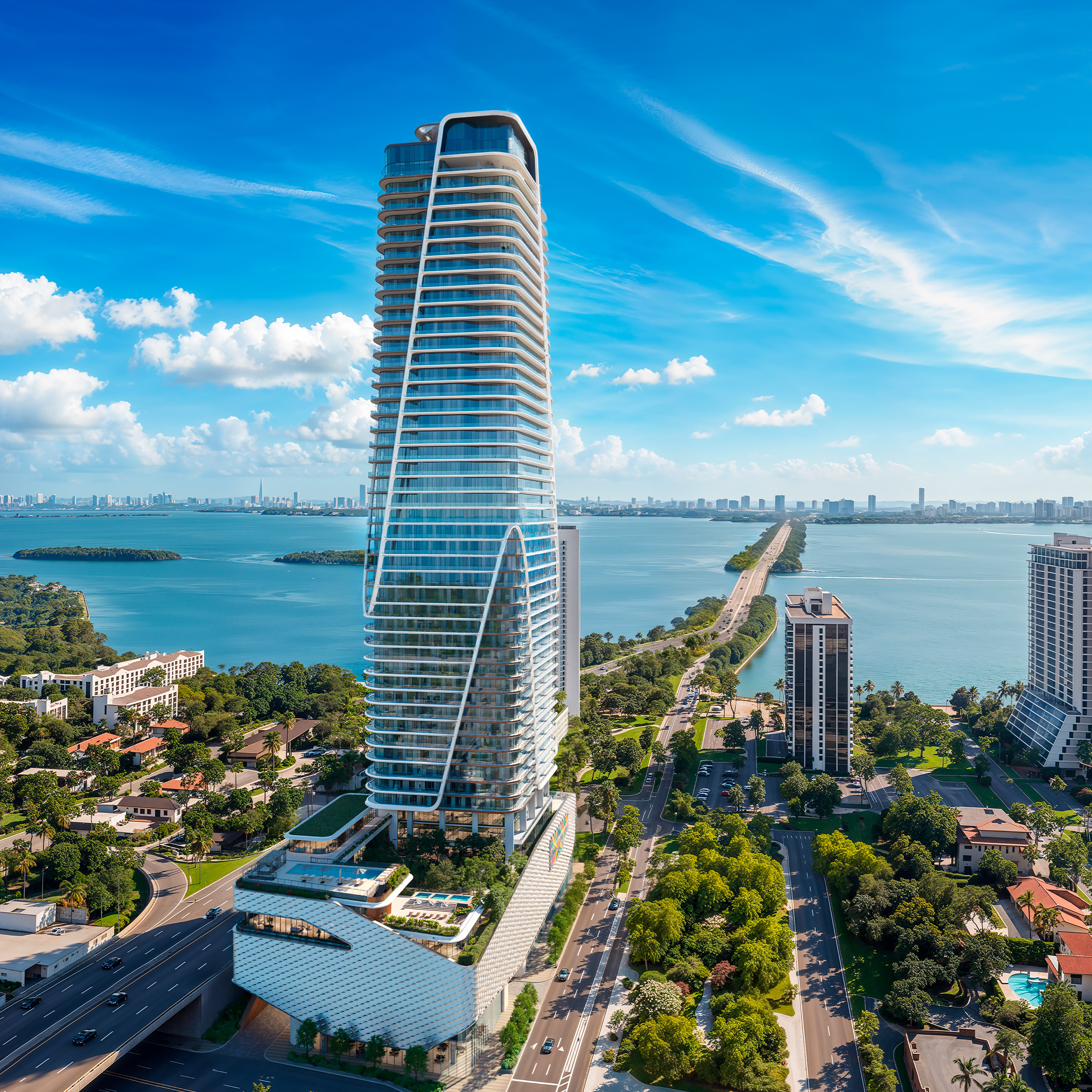
Starting At$1,525,000
AreaEdgewater
Completion Date2031

The residences we know best — studied floor by floor, so we can guide you to the one that is right for you.

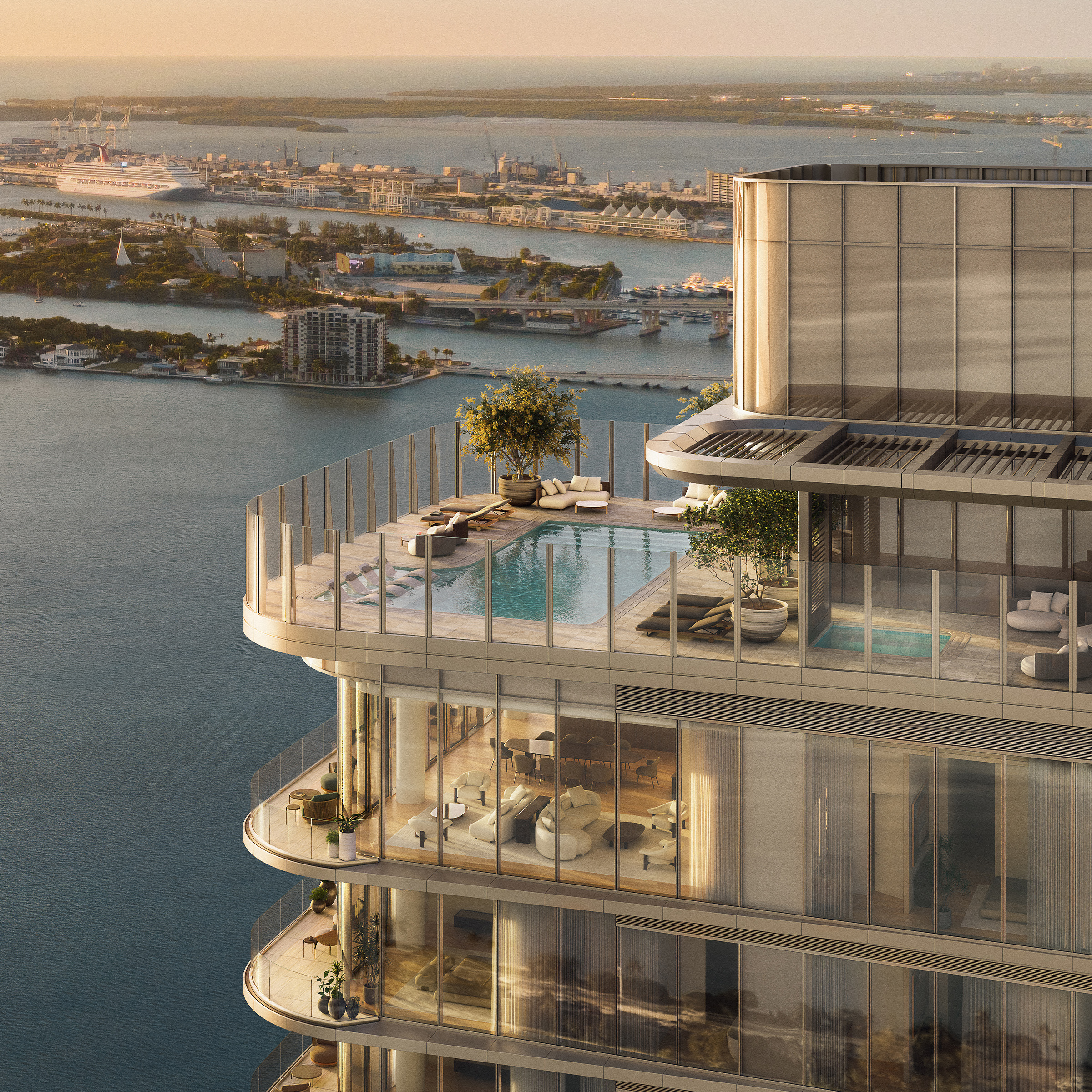

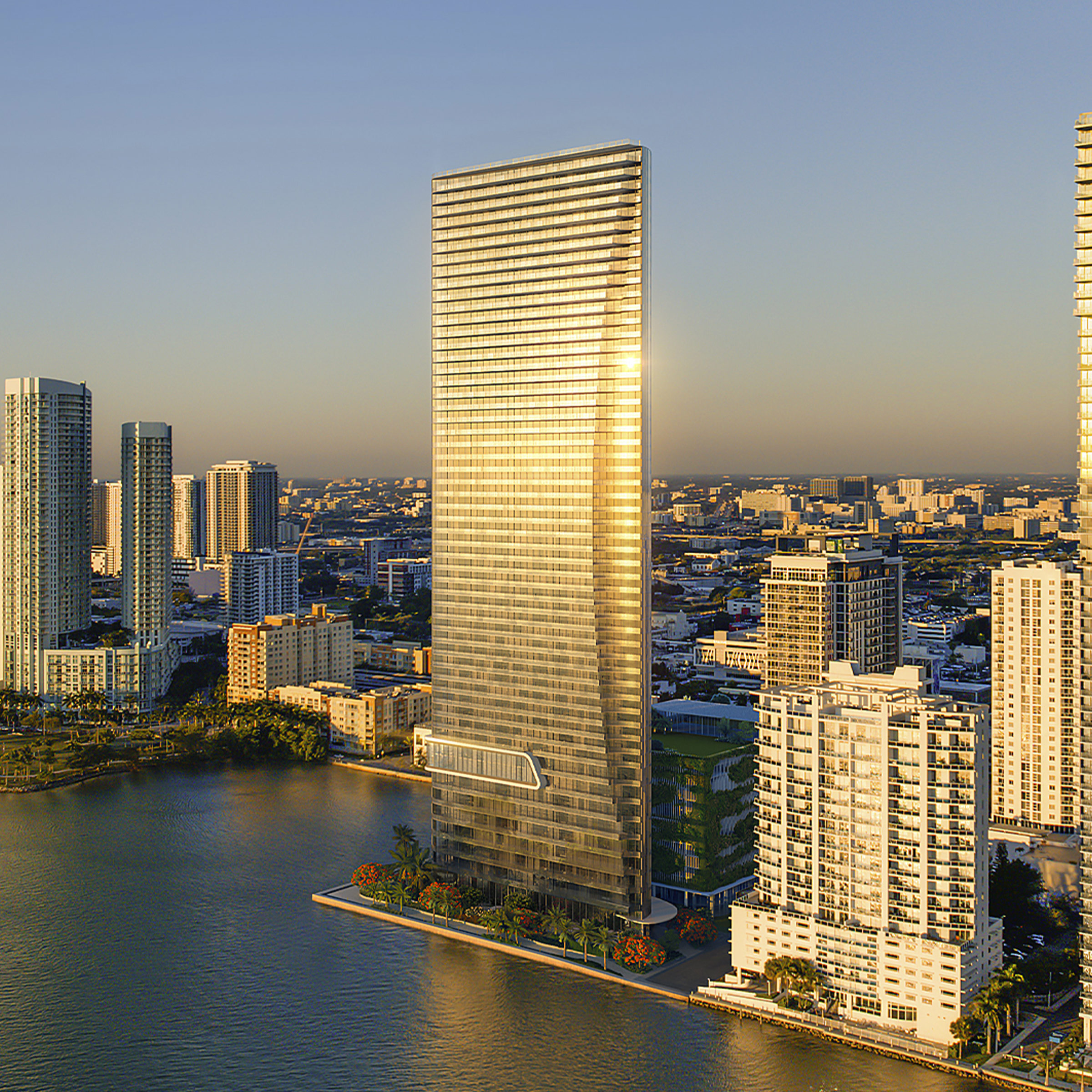

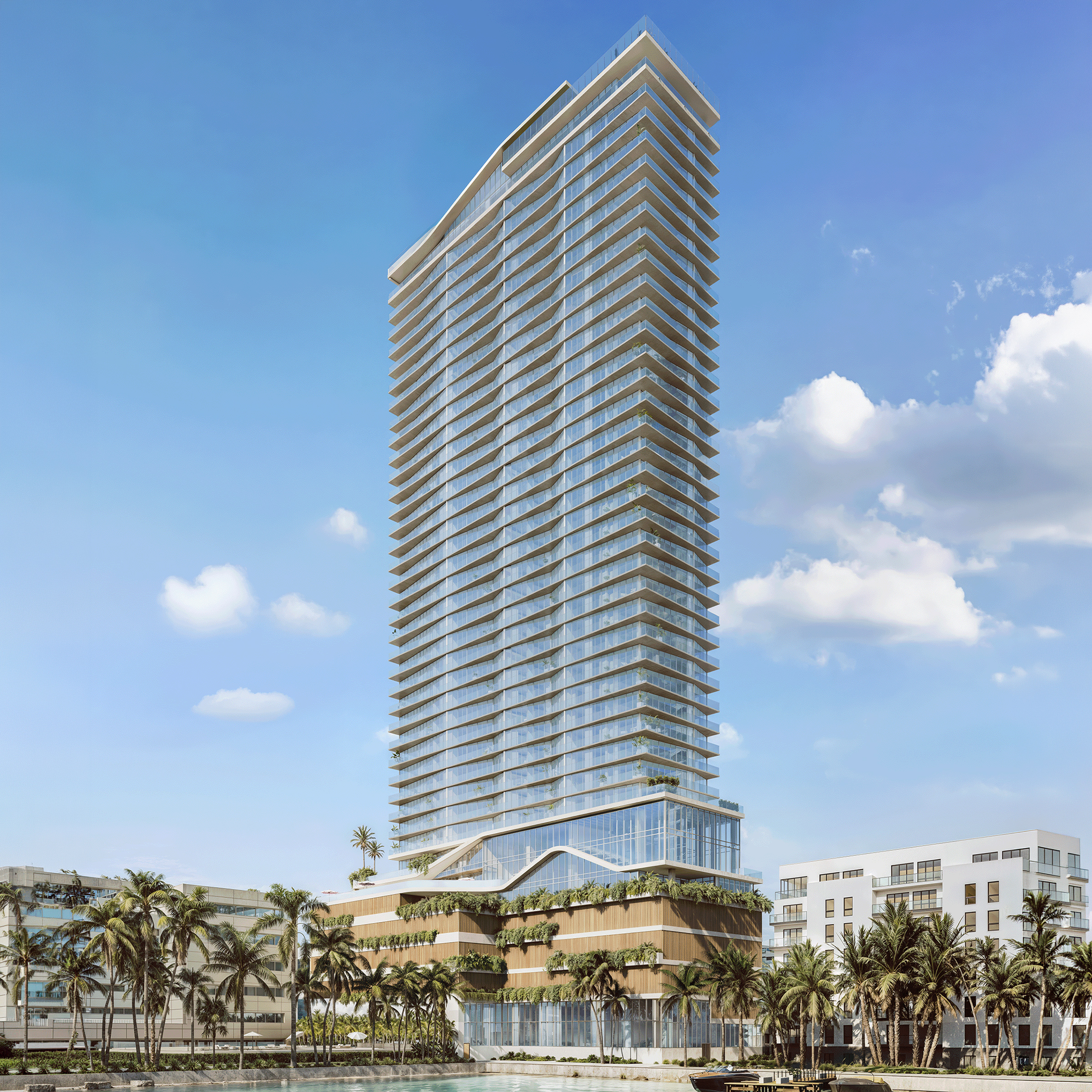

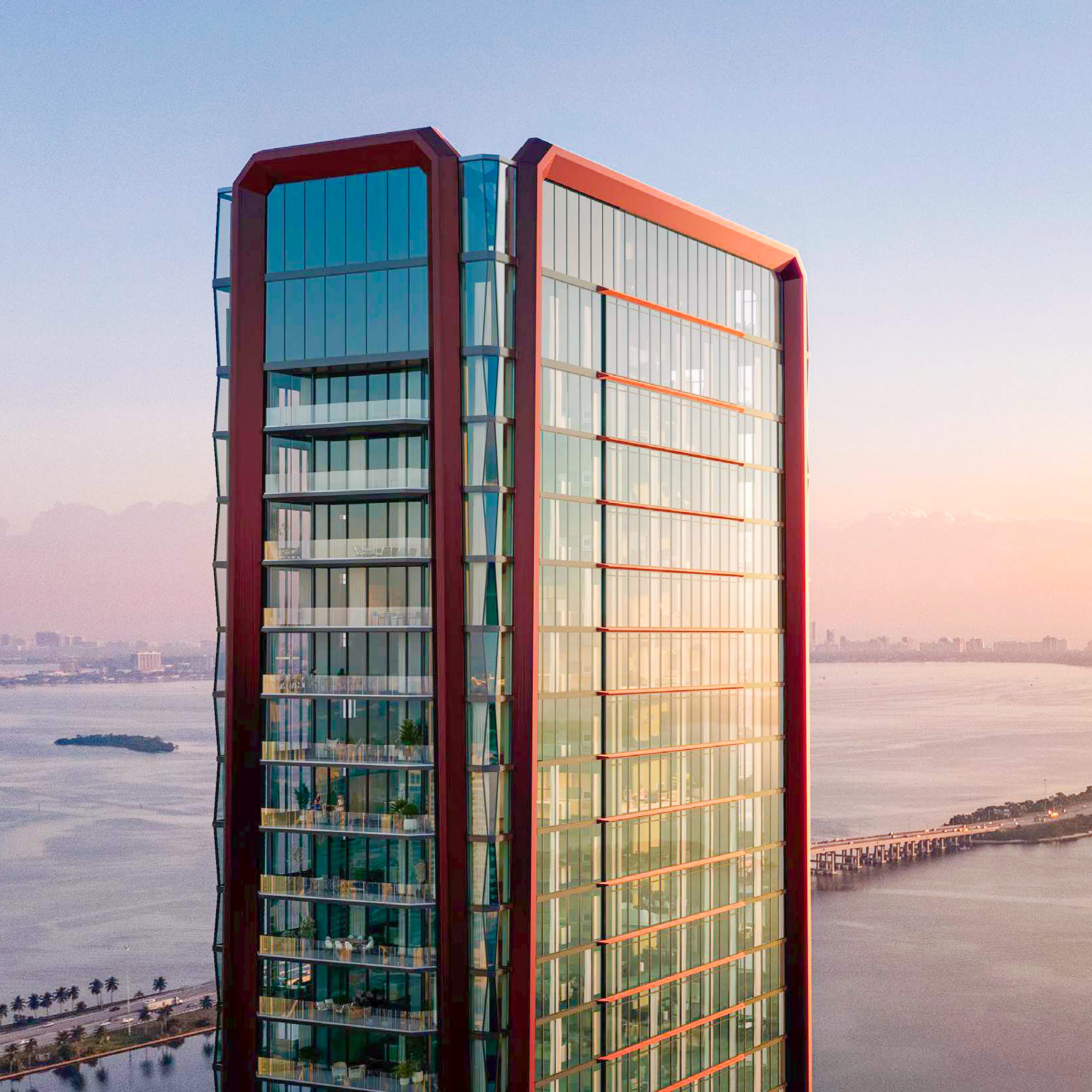

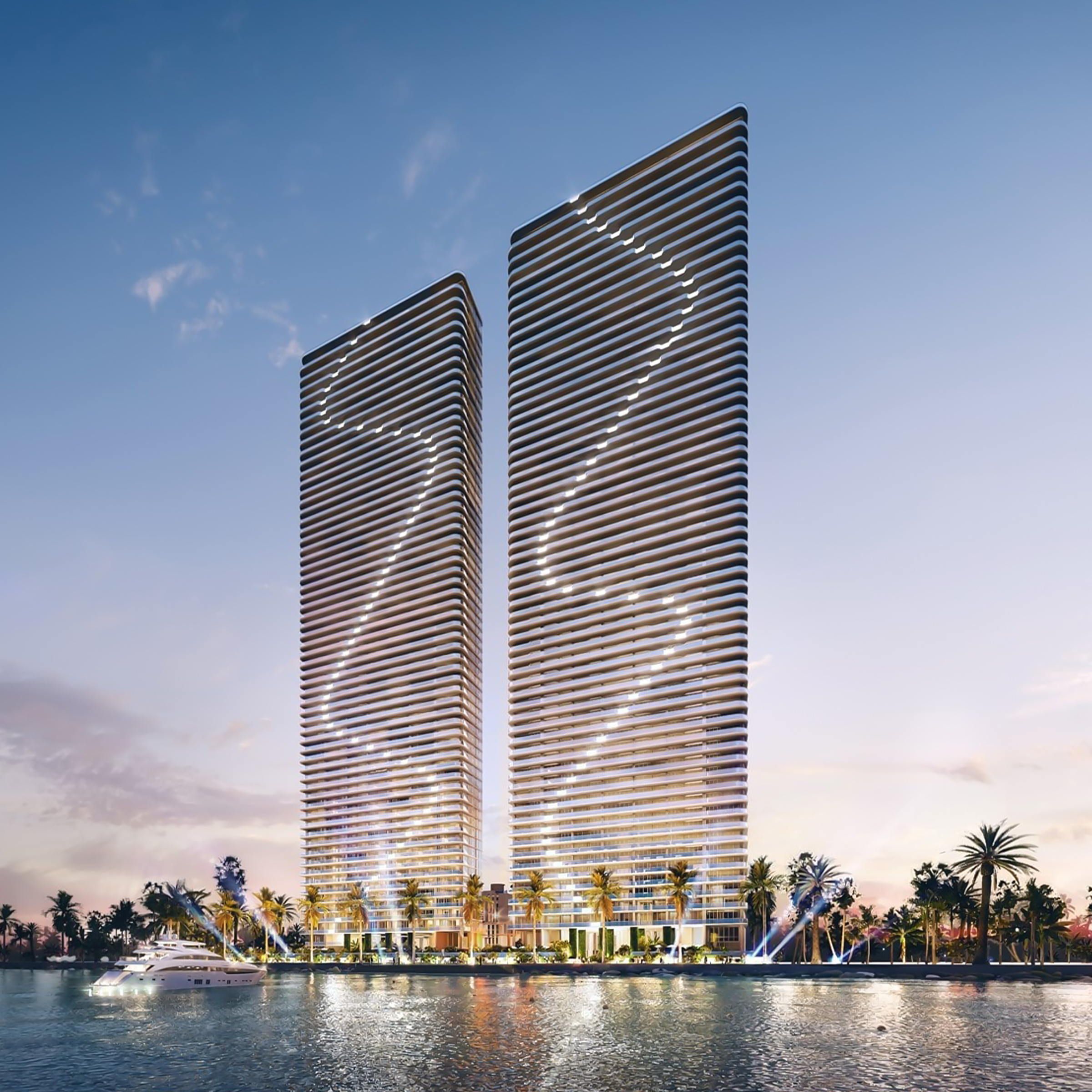
Edgewater is Miami-Dade County’s bayfront residential corridor between Midtown and Downtown, defined by Biscayne Bay views, tower living, and a park-forward daily rhythm around Margaret Pace Park. The setting favors swift access to the Arts and Entertainment District and the Design District without adopting Brickell’s intensity. For buyers prioritizing discretion, logistics, and new-development caliber, Edgewater offers a concentrated selection of full-service condominiums along Biscayne Boulevard, with straightforward routes to Miami Beach via the Venetian and MacArthur causeways. The right outcome here is typically building-specific, shaped by governance discipline, service standards, and exposure to the bay.
Answers follow the area selected in the filters above.
Edgewater is a bayfront, high-rise corridor along Biscayne Boulevard and Biscayne Bay, shaped by sunrise views, parks, and quick access to downtown Miami. The day-to-day feels more residential than Brickell, yet more connected than many beach neighborhoods. Building culture matters here, especially around concierge standards, package handling, and service elevator rules common in newer towers.
Edgewater sits in Miami-Dade County between Midtown and the Omni/Arts and Entertainment District, fronting Biscayne Bay. Southbound movement ties quickly into Downtown and Brickell via Biscayne Boulevard, while northbound flows toward the Design District and Wynwood. The neighborhood’s identity is strongly linked to its bayfront tower line and Margaret Pace Park.
Edgewater typically trades Brickell’s finance core intensity for a calmer bayfront residential feel near Margaret Pace Park and the Venetian Causeway approach. In Miami-Dade County, both are close, but Edgewater living often prioritizes view corridors and parks over walk-to-office convenience. Condo governance can differ as well, with several Edgewater buildings taking a firmer posture on short-term rentals than parts of Brickell.
Edgewater leans quieter and more view-driven, while Midtown and Wynwood emphasize retail, galleries, and late-night energy around the Design District and Wynwood walls. In Miami-Dade County, the trio forms a tight triangle, but Edgewater’s product is more often full-service waterfront towers rather than low-rise lofts. Decision-making often comes down to tolerance for traffic on Biscayne Boulevard versus immediate proximity to creative-dining nodes.
The inland blocks west of Biscayne Boulevard can feel more neighborhood-like, with smaller buildings and quieter side streets, while the bayfront line is dominated by towers. Proximity to Margaret Pace Park and the Baywalk segments can materially change daily walkability and noise. A practical tell is curb activity, including rideshare staging and delivery turnover near major lobbies.
Biscayne Bay frontage brings wide water views and boat-traffic spectacle, but it also introduces salt exposure that affects balcony hardware, glazing, and HVAC longevity. In Edgewater towers, inspection focus often lands on window systems, terrace drains, and garage ventilation due to coastal humidity. Bayfront exposure can also influence insurance posture and reserve planning compared with more inland Miami neighborhoods.
Edgewater walkability clusters around Biscayne Boulevard, the Arsht Center area, and Margaret Pace Park, with quicker pedestrian access toward Midtown’s retail spine. Crossings can feel arterial, so the lived experience varies block by block, especially near heavier traffic nodes. Many residents use a short rideshare hop to the Design District or Wynwood rather than treating the entire area as fully walkable.
From Edgewater, Downtown and Brickell are typically straightforward via Biscayne Boulevard or NE 2nd Avenue, while causeway access supports Miami Beach trips through the Venetian Causeway or MacArthur Causeway. Miami International Airport access is commonly routed via I-395 to I-95 depending on time-of-day patterns. Building valet operations can meaningfully affect commute friction, particularly in towers with peak-hour queueing.
Privacy in Edgewater often hinges on tower operations, including discrete garage entry, controlled elevator banks, and guest screening at reception desks along the Biscayne Bay frontage. Compared with more public sidewalk scenes in Wynwood, Edgewater high-rises can offer cleaner separation between home and street. The most privacy-forward buildings typically enforce tighter move-in protocols and vendor access rules through service corridors.
Edgewater is condo-centric, so governance is a daily reality, from pet policies to renovation hours and guest registration. In Miami-Dade County, well-run boards often signal strength through consistent reserve planning and transparent building-engineer reporting, which matters in coastal towers near Biscayne Bay. A common local friction point is rental posture, with many buildings taking a conservative stance to protect lobby calm and security.
In bayfront Edgewater, inspection attention often centers on glazing performance, balcony waterproofing, HVAC condensate management, and garage conditions influenced by salt air. Elevator uptime and generator capacity also matter, given the vertical lifestyle along Biscayne Boulevard. Reviewing recent building reports and the cadence of preventive maintenance can be more informative here than cosmetic finishes.
Storm posture in Edgewater is closely tied to each tower’s generator coverage, lobby flood mitigation, and window and door systems facing Biscayne Bay. Access during weather events often runs through I-395 and Biscayne Boulevard, so planning considers choke points near Downtown. A practical mitigation is choosing buildings with disciplined maintenance records and clear resident protocols for shuttering and balcony management.
Edgewater sits in an active Miami-Dade County growth band between Downtown and Midtown, where skyline change is part of the lived reality. Newer inventory tends to emphasize amenities, structured parking, and modern glass lines along the bayfront. A decision-sensitive factor is future view risk, since nearby parcels along Biscayne Boulevard and the Omni area can alter sightlines over time.
Bayfront units look directly over Biscayne Bay and the boat corridor, while inland buildings may frame skyline views toward Downtown or Midtown depending on height and setbacks. In Edgewater, even a few blocks can change the visual experience because towers line the water’s edge. View orientation also affects afternoon heat load, which can matter for HVAC performance and balcony use.
Edgewater sits minutes from the Adrienne Arsht Center and the Arts and Entertainment District, with quick reach to the Design District dining scene. Margaret Pace Park functions as a daily social node along the bayfront, especially for morning routines. The neighborhood’s advantage is being near culture without being in the densest late-night zone.
Miami International Airport is commonly accessed via I-395 and I-95 from Edgewater, while Opa-locka Executive can be a practical option for private aviation northbound. The Biscayne Boulevard corridor can be efficient outside peak hours but can slow during event nights near Downtown and the Arsht Center. Many residents prioritize buildings with fast valet retrieval to reduce departure lead time.
Edgewater towers typically manage vendors through service entrances, COI requirements, and reserved service elevator windows, which affects housekeeping, AV, and interior-install timelines. Proximity to Downtown and Midtown supports rapid access to design showrooms and specialty services. The most operationally smooth buildings have strict delivery procedures, which also supports privacy and lobby calm.
Along Biscayne Boulevard, valet is common, and the lived experience depends on queue space and peak-hour staffing more than the garage itself. Some Edgewater buildings handle rideshare staging better than others, which can reduce lobby congestion. For decision purposes, it is often worth reviewing valet rules, guest parking limits, and service-vehicle loading plans.
Noise tends to come from Biscayne Boulevard traffic, occasional waterfront activity on Biscayne Bay, and event surges near Downtown and the Arsht Center. Higher floors can reduce street noise but increase wind exposure, which can be noticeable on balconies. Sound mitigation is often tied to window quality and building envelope upkeep in the coastal environment.
Seasonal living works well in Edgewater because the bayfront towers provide lock-and-leave convenience near Midtown and the Design District. Full-time residents often place extra weight on building management responsiveness, package handling, and gym and pool crowding patterns. Access to I-395 and Miami Beach causeways also affects weekend mobility during peak seasons.
In Miami-Dade County, Edgewater pairs naturally with Brickell for business access and Miami Beach for beachfront routines via the Venetian or MacArthur causeways. The Design District offers a luxury retail and dining counterpoint a short drive north. This adjacency is part of the appeal, but it also means traffic variability should be treated as a real lifestyle input.
Edgewater privacy often relies on vertical building controls, including secure garages and staffed lobbies, while Miami Beach privacy can vary widely by street and building exposure. The Venetian Causeway connection makes beach access easy without living in the densest tourist bands. For many, the decision turns on whether privacy is preferred through tower discretion or through smaller-scale enclaves across the bay.
Many Edgewater condos restrict short-term activity to preserve security and lobby quiet, reflecting a more residential posture than some entertainment-adjacent zones. In Miami-Dade County, rental rules can differ sharply from building to building even along the same bayfront strip. Reviewing lease term minimums, guest registration procedures, and move-in fees is particularly relevant here.
Coastal exposure along Biscayne Bay can elevate attention on building maintenance, especially waterproofing, concrete care, and mechanical systems. In Edgewater, stronger associations often demonstrate preparedness through consistent reserve discipline and timely major-system servicing. A sensible local risk signal is deferred exterior work, which can be more consequential in salt-air conditions.
In Edgewater towers, quality often shows in orderly common areas, consistent staffing, and clear communication about mechanical projects that affect bayfront living. In Miami-Dade County, stronger associations tend to keep engineering assessments current and enforce renovation protocols to protect neighbors. Another indicator is how calmly the building handles peak delivery hours and security screening at the main desk.
Edgewater centers on high-rise bayfront living near Downtown and Midtown, while Coconut Grove is more village-like with tree canopy and lower density. In Miami-Dade County, the Grove can feel more insulated, but Edgewater offers faster access to the Arsht Center, Design District, and the I-395 corridor. The trade-off often comes down to tower amenities and views versus neighborhood texture and yard space.
Edgewater sits closer to Downtown and Brickell, while Bal Harbour is more north along the barrier island, anchored by its retail and quieter beach character. In Miami-Dade County, Edgewater’s access is more grid-and-expressway oriented via I-195 or I-395 connections, whereas Bal Harbour often funnels through causeway and island traffic. The practical choice hinges on daily destinations, not only lifestyle preference.
Edgewater is bayfront, but most residents rely on nearby marina ecosystems rather than private docks, since tower frontage rarely translates to personal dockage. Biscayne Bay boat traffic and bridge clearances on routes toward Miami Beach can shape boating practicality. For boating-oriented buyers, verifying marina access, storage policies, and travel time to Haulover or Government Cut routes is a locally grounded step.
Edgewater can work for families seeking condo convenience near parks, especially around Margaret Pace Park’s waterfront green space. Daily logistics often revolve around car service routes on Biscayne Boulevard and access to schools across greater Miami, including Coral Gables and Coconut Grove corridors. Building rules on strollers, bikes, and amenity use can materially affect family comfort in tower living.
Edgewater is defined by a modern tower corridor along Biscayne Bay, complemented by smaller mid-rises and older buildings on inland blocks. The Omni area influence brings a more urban, vertical feel compared with nearby single-family enclaves. Construction era matters for sound transmission, mechanical systems, and window performance in this coastal setting.
In Edgewater high-rises, elevator speed, reliability, and service-elevator scheduling are quality-of-life factors, especially during peak move-ins and weekends. Buildings near Margaret Pace Park can see heavier amenity traffic, which shows up in lobby flow. Reviewing elevator modernization plans and maintenance cadence is a locally relevant diligence step.
Edgewater sits close enough to Wynwood and Downtown venues to participate, yet far enough to keep most residential blocks calmer. Biscayne Boulevard still carries late-night traffic, particularly around event schedules near the Arsht Center. Choosing higher floors and interior-facing bedrooms is a common way residents balance access with quiet.
The Design District is directly north of Edgewater, often reached in minutes via Biscayne Boulevard or NE 2nd Avenue depending on traffic. This proximity supports a design-forward lifestyle, from galleries to luxury retail and dining, without living inside a retail core. It also increases delivery and rideshare frequency for some buildings, making concierge operations a meaningful differentiator.
Beach time typically routes through the Venetian Causeway or MacArthur Causeway toward Miami Beach, with timing variability during weekends and events. Edgewater’s advantage is returning to a bayfront residential base rather than the densest beachfront strips. Access planning often includes garage egress speed and causeway congestion patterns.
Security ranges from basic front-desk coverage to more layered systems with controlled elevator access, garage gate redundancy, and guest management platforms. In Edgewater’s Biscayne Boulevard corridor, stronger buildings reduce lobby exposure with clear entry sequencing from curb to reception. Reviewing after-hours protocols and vendor screening is particularly relevant for privacy-sensitive owners.
Edgewater offers a more residential bayfront tone around Margaret Pace Park, while Downtown is more intensely commercial and event-driven near Bayfront Park and the arena zone. In Miami-Dade County, the short distance can hide meaningful differences in noise, foot traffic, and governance expectations. The decision often rests on whether daily life should be anchored in a park-and-bay setting or a core urban grid.
Edgewater’s growth corridor means nearby sites along Biscayne Boulevard and the Omni area can evolve, potentially affecting light, views, and traffic. A practical mitigation is reviewing surrounding zoning context and looking at sightlines from balconies toward Midtown and Downtown. Some buyers prefer positions with protected bayfront frontage, while others accept change in exchange for newer building inventory.
Liquidity in Edgewater often tracks to building reputation, bay view quality, and operational reliability, especially in the Biscayne Bay tower line. In Miami-Dade County, buildings that maintain calm rental posture, strong reserves, and consistent staffing tend to hold buyer confidence across cycles. Note that pricing, availability, and terms may change with market conditions and building-specific dynamics.