
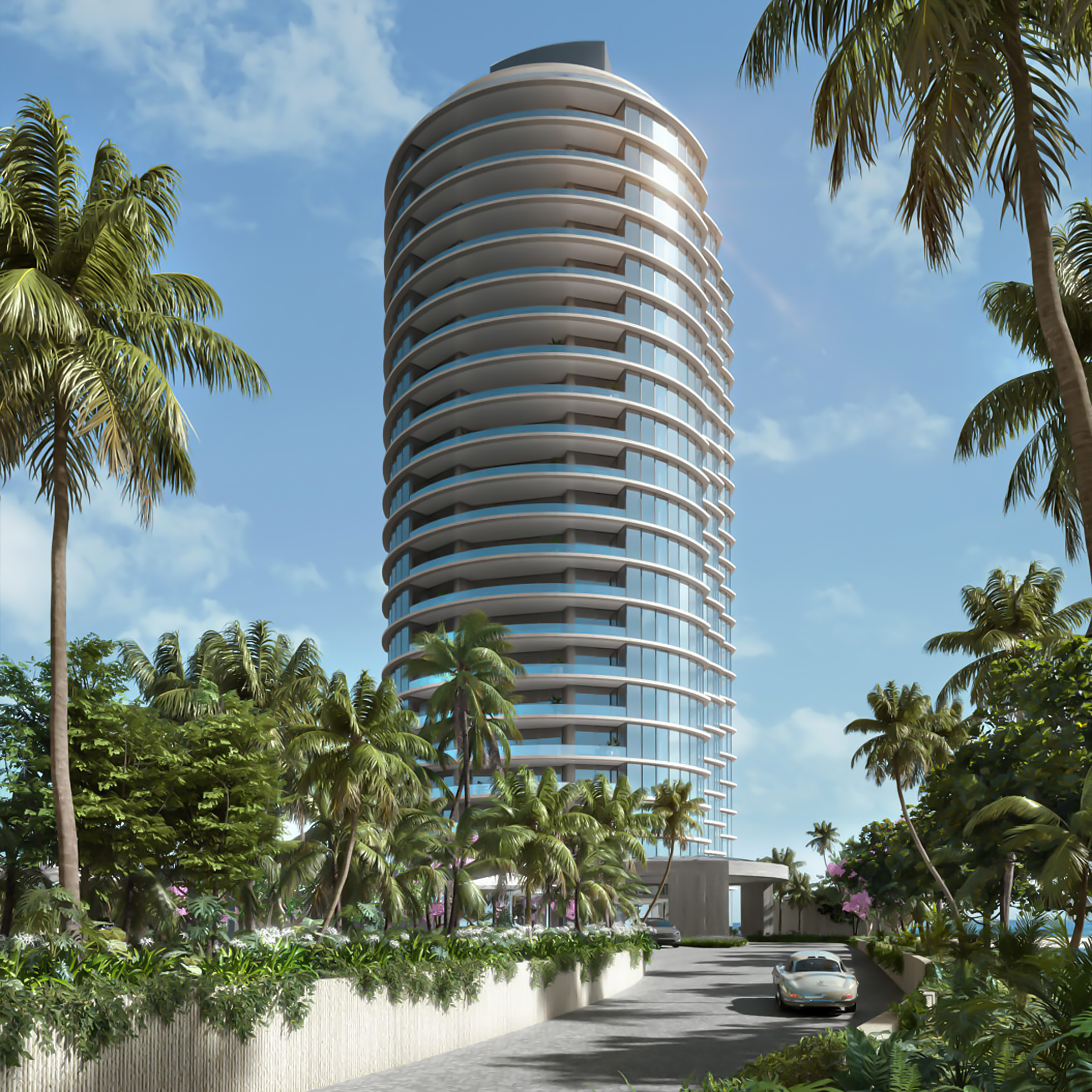
Starting At$14,100,000
AreaBal Harbour
Completion Date2028

The residences we know best — studied floor by floor, so we can guide you to the one that is right for you.
Bal Harbour is a discreet pocket of Miami-Dade County where the oceanfront tower line on Collins Avenue meets an unusually curated retail and dining node at Bal Harbour Shops. The daily rhythm is quieter than South Beach, with a strong emphasis on building operations, privacy protocols, and beach access that feels intentionally managed. Positioned between Surfside and the broader Miami Beach corridor, Bal Harbour also connects quickly to Bay Harbor Islands and the mainland via the Broad Causeway. For buyers weighing service density, coastal exposure, and controlled access, the area rewards careful attention to micro-location, governance culture, and how movement works in practice.
Answers follow the area selected in the filters above.
Bal Harbour reads as quiet, controlled, and resort-adjacent, with daily life oriented around the beachfront and Bal Harbour Shops. The tone differs from nearby South Beach and Sunny Isles Beach, leaning lower-key and service-forward. Decision value often comes from choosing between direct ocean frontage and Intracoastal addresses with different light, wind, and access patterns.
Bal Harbour is a small, incorporated village at the northern edge of Miami Beach in Miami-Dade County, just south of Surfside and west of the Atlantic Ocean. It connects quickly to Bay Harbor Islands and the mainland via the Broad Causeway, which shapes commute timing and vendor access. Buyers typically compare the feel against Surfside’s neighborhood grid and Sunny Isles Beach’s higher-rise intensity.
Surfside and Bay Harbor Islands are the closest reference points, while Indian Creek and Sunny Isles Beach shape the broader luxury conversation. The Collins Avenue corridor in Bal Harbour carries a more resort-centric rhythm than South Beach, with fewer nightlife spillovers. Governance norms also differ, with Bal Harbour’s village character and security posture influencing building policies.
Movement typically runs along Collins Avenue toward Mid-Beach and South Beach, or across the Broad Causeway toward Biscayne Boulevard and the Design District. Peak-hour friction concentrates at the causeway and key intersections near Surfside, so scheduling matters for drivers and household staff. Proximity to Miami International Airport is practical but not instant, while private aviation users often route through Opa-locka Executive depending on patterns.
Inventory skews heavily toward luxury condominium towers along Collins Avenue, many positioned directly on the sand. Low-density single-family options are limited inside Bal Harbour, which pushes some buyers to nearby Bay Harbor Islands or Indian Creek for estate streets. The choice often comes down to full-service tower operations versus the privacy control of an island home.
Discretion tends to come from building protocols, valet control, and limited public through-traffic compared with South Beach. The Bal Harbour Shops environment draws visitors, but residential lobbies on Collins Avenue can remain insulated when staffing and access systems are strict. Privacy screening frequently focuses on service-elevator separation and guest registration culture.
Bal Harbour and Surfside share the same coastal strip, yet Surfside feels more neighborhood-walkable with a small-town grid and more casual dining along Harding Avenue. Bal Harbour’s center of gravity sits closer to the luxury retail node at Bal Harbour Shops and the oceanfront tower line. Buyers often weigh Surfside’s street-level life against Bal Harbour’s resort-style service density.
Sunny Isles Beach is generally taller and more active, with a continuous high-rise skyline and frequent new construction energy. Bal Harbour is smaller, more controlled, and often quieter after retail hours, despite proximity to the same A1A corridor. Governance differences matter, since some Sunny Isles buildings run more transient rental patterns than typical Bal Harbour policies.
Bal Harbour condo boards often lean conservative on building presentation, capital planning, and owner screening, reflecting the area’s discreet positioning. On Collins Avenue, rules around renovations, service access, and move-ins can be more structured than in parts of North Beach. A decision-useful check is the board’s reserve discipline and the clarity of alteration agreements for high-end finishes.
Yes, even within Bal Harbour the Collins Avenue tower line varies by setback, beach access feel, and how directly the lobby engages the street. Properties closer to the Bal Harbour Shops node tend to experience more vehicle circulation, while quieter stretches near the Surfside border can feel more residential. Elevator modernization, window systems, and back-of-house logistics often separate similarly positioned buildings.
Oceanfront towers face salt, wind, and higher exterior maintenance expectations, while west-facing addresses nearer the Intracoastal waterways shift attention to bridge clearances and boat traffic. In Bal Harbour’s coastal environment, inspection focus typically includes balcony edges, glazing integrity, and corrosion control. Micro-location along the beach can also change how afternoon sun and seasonal winds present.
Bal Harbour itself is not a large marina district, so boating needs often point toward Haulover Marina, Sunny Isles Beach waterways, or slips around Bay Harbor Islands. Intracoastal navigation is shaped by Haulover Inlet conditions and bridge schedules, which can matter more than simple distance. For boat-oriented households, logistics frequently drive the decision to consider nearby marina ecosystems rather than only Collins Avenue.
Haulover Inlet sits just north of Bal Harbour and influences boating routes, weekend traffic, and occasional noise patterns near the northern beach edge. It also brings quick access to Haulover Park, a major outdoor node that contrasts with Bal Harbour’s more curated feel. Buyers sensitive to activity often compare the Surfside-adjacent portion of Bal Harbour to the inlet-adjacent edge.
Coastal exposure brings insurance sensitivity and a sharper focus on building maintenance, especially for oceanfront structures on Collins Avenue. Mitigation usually shows up in disciplined reserves, documented concrete restoration cycles, and strong vendor management for salt-air conditions. Flood planning and lobby hardening tend to be more than check-the-box items in Miami-Dade’s barrier-island environment.
Seasonal months can raise traffic around Bal Harbour Shops and along Collins Avenue, while summer tends to feel quieter and more residential. Service rhythms shift too, with valet and concierge teams often expanding coverage during peak occupancy. A practical decision point is whether the building’s staffing model stays consistent when the area is busiest.
Miami International Airport is the primary commercial hub, typically reached via the Broad Causeway and mainland arterials, while Fort Lauderdale-Hollywood International can be viable depending on north-bound routes. Private aviation frequently considers Opa-locka Executive for flexibility. Travel time reliability often hinges on causeway congestion and timing around Surfside and North Beach.
Many Bal Harbour buildings run layered security with controlled valet entry, staffed lobbies, and restricted elevator access, reflecting the area’s privacy expectations. Collins Avenue frontage can be active, so strong perimeter management and camera coverage are decision-useful differentiators. Delivery routing and service-elevator separation are often the quiet markers of an effectively run property.
Bal Harbour supports high-touch residential operations, with vendors accustomed to strict scheduling, COI requirements, and service-elevator protocols typical of Collins Avenue towers. Household staffing often sources from the broader Miami Beach and mainland labor pool via the Broad Causeway. Operationally, buildings that manage loading zones well can reduce friction during high season.
Walkability concentrates around the beach path and the Bal Harbour Shops area, with a limited but polished set of dining and hotel-adjacent options. For broader restaurant variety, many residents drift toward Surfside’s Harding Avenue or south to Mid-Beach. The experience is more resort-stroll than city-grid, which is part of Bal Harbour’s appeal.
Bal Harbour Shops anchors luxury retail and dining, while the Miami Design District is a common off-island destination reached via the Broad Causeway and Biscayne Boulevard. Surfside contributes neighborhood dining along Harding Avenue, and Mid-Beach adds hotel restaurant scenes. The decision lens is often whether daily needs can stay local or will routinely pull toward mainland nodes.
Bal Harbour’s small footprint means many family routines extend into Surfside, Bay Harbor Islands, and greater Miami-Dade for schooling and activities. Commutes often route over the Broad Causeway, so timing and pickup logistics become part of the household plan. Buildings with clear guest policies and calm common areas can matter for family privacy.
Both patterns appear, but the Collins Avenue tower format often supports lock-and-leave use with concierge coverage and managed maintenance. Full-time residents tend to prioritize quieter stack positions, consistent staffing, and predictable building governance. Nearby South Beach draws more nightlife-driven stays, while Bal Harbour generally remains calmer.
Bal Harbour’s limited land and established tower line mean change is more about redevelopment cycles and major renovations than large waves of new inventory. Nearby Sunny Isles Beach often carries more visible construction momentum, which can influence comparative options. A decision-useful step is tracking whether a building is entering a multi-year restoration or modernization phase.
Bal Harbour condo renovations are commonly governed by structured alteration agreements, strict hours, and vetted contractors, especially in full-service Collins Avenue buildings. Noise control and elevator protection are taken seriously due to resident expectations and high-finish standards. Projects often move faster when building management has clear pathways for permits, deliveries, and inspections.
Clear capital planning, visible upkeep in coastal-exposed common elements, and professional back-of-house operations tend to stand out along Collins Avenue. Decision-useful signals include transparent reserve strategy, consistent security staffing, and orderly service corridors. In Bal Harbour’s salt-air setting, proactive façade and glazing maintenance often separates stronger properties.
Miami-Dade County requirements and coastal resilience attention shape permitting, inspections, and infrastructure expectations on barrier-island communities like Bal Harbour. Comparisons often extend to Surfside and Bay Harbor Islands because similar coastal conditions meet different local governance styles. Understanding the village’s approach to presentation and safety can be as important as the unit itself.
Many Bal Harbour buildings lean more restrictive on short-term rentals, aiming to preserve a quieter residential environment along Collins Avenue. Nearby Sunny Isles Beach can present more flexible rental patterns in certain properties, which changes building traffic. A decision-useful review is the lease term policy and how strictly management enforces guest registration.
Crowd energy concentrates near Bal Harbour Shops and hotel beachfront areas, while many residential lobbies remain insulated through controlled entry and valet flow. Compared with South Beach, late-night noise is typically lower, but seasonal activity can lift daytime movement. Stack orientation and distance from the retail node can materially change perceived calm.
In Bal Harbour’s oceanfront environment, inspections often emphasize balcony conditions, window and sliding-door integrity, and signs of salt-driven corrosion. Mechanical systems and waterproofing matter as much as finishes in Collins Avenue towers. For west-facing, Intracoastal-adjacent properties, drainage and humidity control frequently get extra scrutiny.
Insurance sensitivity tends to be higher for ocean-exposed buildings in Bal Harbour, and underwriting attention often follows maintenance records and building age along Collins Avenue. Mitigation is frequently demonstrated through completed restoration work, updated life-safety systems, and disciplined reserves. This reality is similar across Miami Beach, yet Bal Harbour boards often manage it with a more conservative posture.
Typical routes run over the Broad Causeway to Biscayne Boulevard, then south toward Downtown Miami and Brickell, with variability during peak hours. Some residents prefer timing around school and retail traffic near Surfside to keep the drive predictable. For meetings in the Design District, the same corridor can be relatively efficient outside rush windows.
Indian Creek sits just west and south of Bal Harbour, known for highly controlled access and single-family estates, which creates a natural comparison for privacy-focused buyers. Bal Harbour offers a different privacy model through full-service towers and managed entry rather than gated streets. Bay Harbor Islands often becomes the middle ground for those wanting a residential grid near the same waterways.
Oceanfront on Collins Avenue offers direct sand access and expansive horizon views, while west-side, Intracoastal-adjacent options can provide calmer water scenes and different light. The ocean side typically demands more attention to exterior exposure and maintenance cycles. The west side can bring bridge and traffic considerations tied to the Broad Causeway and local circulation.
Valet is central to many Bal Harbour towers, with controlled drop-off patterns along Collins Avenue that can protect discretion when well managed. Decision-useful details include guest parking capacity, service-vehicle staging, and whether the garage design supports larger vehicles smoothly. Properties closer to Bal Harbour Shops may feel more active at curbside during peak retail periods.
The beach reads more resort-managed, with a polished tone near hotel zones and a calmer feel toward the Surfside line. The beachfront path supports morning routines, while access points can vary by building along Collins Avenue. Wind exposure and dune conditions can differ subtly by micro-location, affecting daily comfort.
Many Bal Harbour buildings run scheduled deliveries, designated loading, and service-elevator protocols to protect resident privacy along Collins Avenue. Vendors familiar with Miami Beach barrier-island logistics often coordinate around causeway traffic and building-specific COI requirements. A practical differentiator is whether management enforces rules consistently during seasonal surges.
Transaction pacing in Bal Harbour often depends on condo document review, board processes, and building operational calendars, which can differ even between adjacent Collins Avenue properties. Miami-Dade County recording and coastal due diligence can add steps, especially when the building has active restoration work. Pricing, availability, and terms may change, so current building conditions and policies usually drive decision timing more than headlines.
Surfside, Bay Harbor Islands, and Indian Creek keep the same coastal ecosystem while offering different housing typologies and street atmospheres. Sunny Isles Beach expands high-rise selection north of Haulover Inlet, while Mid-Beach broadens resort and dining nodes to the south. In Miami-Dade County, these pockets can be compared efficiently because access routes converge around Collins Avenue and the Broad Causeway.

