For discerning Edgewater buyers, the strongest luxury may be an effortless daily routine. Walkability, club privileges, and private dining access deserve scrutiny alongside views, layouts, and finishes because access is often harder to change after closing.
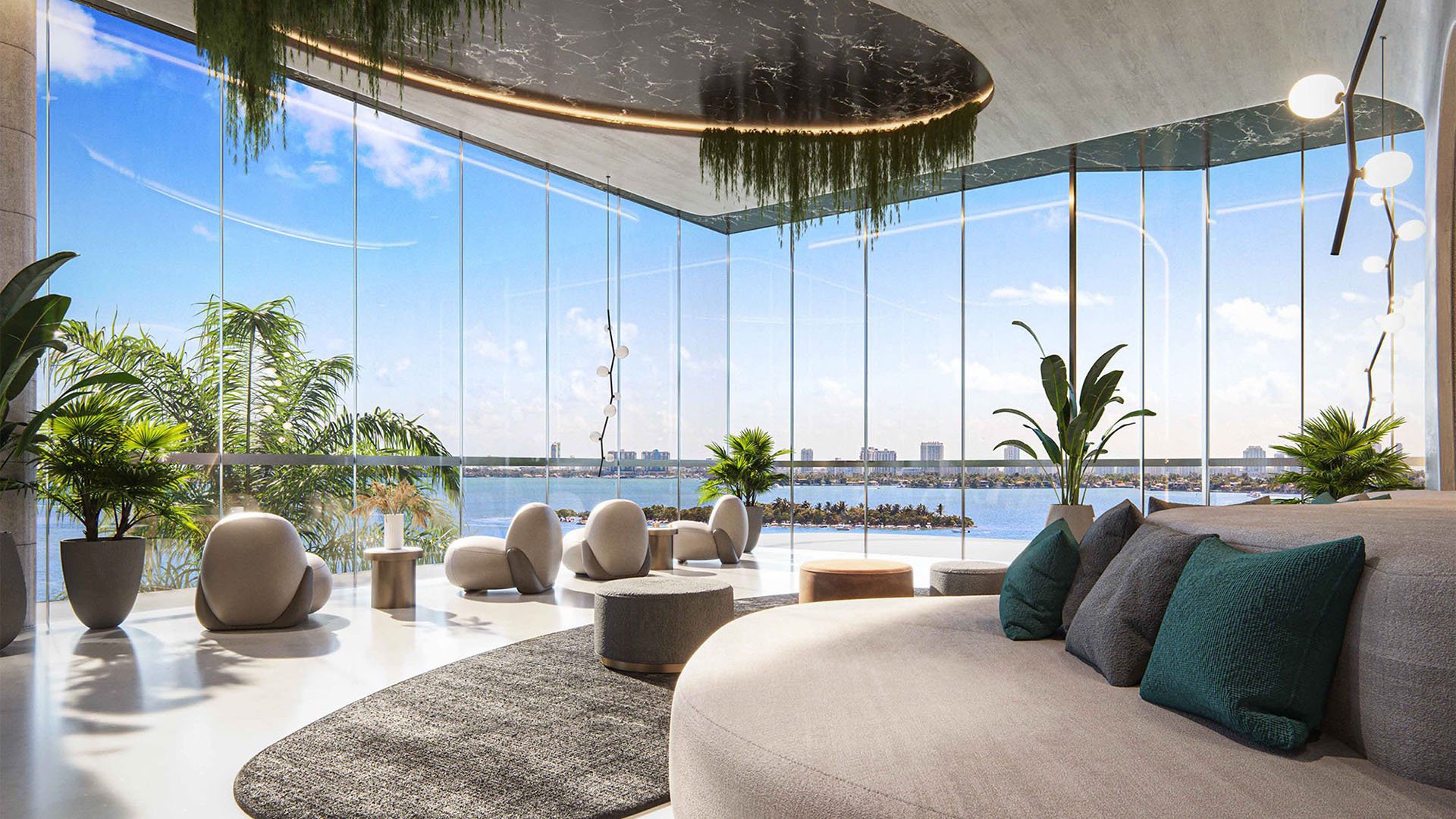
A beautifully finished residence can make an immediate impression, but serious buyers look beyond the first reveal. The more consequential question is how the property supports daily life after the furniture arrives. In Edgewater, that means examining the ease of leaving home, reaching preferred destinations, entertaining discreetly, and returning without turning every plan into a logistical exercise.
Finishes still matter. Stone, millwork, lighting, appliances, and hardware shape the experience of a home. Yet many of these elements can be refined later. A building’s relationship to the neighborhood, the utility of its shared spaces, and the rules governing access are far less malleable. A sophisticated purchase decision therefore balances aesthetic quality with recurring utility.
Walkability is personal. One buyer may value a short morning route; another may prioritize convenient access to dining or everyday appointments. The relevant measure is not a generic score, but the number of routine trips that can be completed comfortably on foot.
During a property visit, walk the routes that would matter in daily life. Repeat the exercise at the times they would actually be used. Consider crossings, shade, noise, the arrival experience, and whether the return feels equally convenient. This practical review can reveal more than a polished drive-by.
For buyers comparing homes at Aria Reserve Miami and other Edgewater options, the useful question is simple: Which address best reduces friction in the schedule you already keep?
A resident club can function as an extension of the home, but only when its programming and access terms align with the owner’s habits. Buyers should distinguish between spaces that impress on a tour and those they will use repeatedly. Privacy, guest policies, reservation procedures, operating hours, and the atmosphere at peak times can all shape practical value.
The word “access” also deserves scrutiny. Is a privilege attached to the residence, subject to availability, separately priced, or governed by changing rules? The answer affects both enjoyment and expectations. A buyer considering EDITION Edgewater should evaluate the complete ownership proposition rather than allow one photogenic room to dominate the decision.
Private dining is most valuable when it solves a recurring need. It can provide an alternative setting for a family dinner, business conversation, or larger gathering without requiring the residence itself to accommodate every occasion. For owners who value discretion, the appeal may be less about spectacle than control.
Ask how the room is booked, how many dates can be reserved, which services are available, and what costs or restrictions apply. Consider the path from arrival to table as well. A graceful guest experience depends on more than décor.
This is the lens through which to compare Villa Miami with other candidates: not whether private dining exists in concept, but whether it meaningfully supports the way the owner hosts.
A residence can be redesigned. Its location within the neighborhood cannot. Nor can an owner easily alter the culture of common areas, the quality of arrival, or the relationship between private and shared space.
That distinction is especially important in a waterfront purchase. A water view may be emotionally compelling, but it should be assessed alongside circulation, privacy, outdoor comfort, and daily convenience. The strongest choice balances visual pleasure with operational ease.
Buyers reviewing The Cove Residences Edgewater can apply the same discipline to every serious comparison: separate what is visually persuasive from what will remain useful on an ordinary Tuesday.
Create two columns before choosing a residence. In the first, list elements that are permanent or difficult to change: location, orientation, layout, access, building rules, shared-space culture, and the routes used most often. In the second, list elements that can be personalized, including paint, lighting, furnishings, and selected finishes.
Then give greater weight to frequency. A feature used daily should generally matter more than one admired occasionally. This does not make design and architecture secondary. It places design in its proper context: part of a complete ownership experience rather than a substitute for one.
Finally, verify every important privilege in the relevant documents and current terms. Marketing language can introduce a concept, but the purchase decision should rest on a clear understanding of availability, costs, reservations, guest policies, and future flexibility.
Why can walkability matter more than interior finishes? Walkability shapes recurring routines, while many interior finishes can be changed after purchase.
How should an Edgewater buyer test walkability? Walk the routes that matter at realistic times, assessing crossings, comfort, noise, and the return journey.
What should buyers ask about club access? Confirm eligibility, operating hours, guest rules, reservation systems, separate costs, and any limits on use.
Is a private dining room automatically valuable? No. Its value depends on how often the owner will use it and how practical the booking and service arrangements are.
Should finishes ever drive the decision? Yes, particularly when they are integral to the architecture or difficult to replace, but they should not obscure daily utility.
How can buyers compare amenities objectively? Rank each amenity by expected frequency of use, convenience, privacy, restrictions, and ongoing cost.
What does access mean in a luxury residence? It can refer to included privileges, reservable spaces, or separately priced services, so the exact terms should be verified.
Why do guest policies matter? They determine whether club and dining spaces can support the owner’s actual entertaining style.
How should a buyer weigh a view against convenience? Consider how often each benefit will be enjoyed and whether the residence delivers both visual pleasure and an efficient routine.
What is the most useful final comparison? Compare what can be renovated with what cannot, then prioritize the features that will shape everyday ownership.
To compare the best-fit options with clarity, connect with MILLION.
If branded residences are on your mind — as a home or as an allocation — we would be glad to share what we are seeing, privately.
Begin a quiet conversation