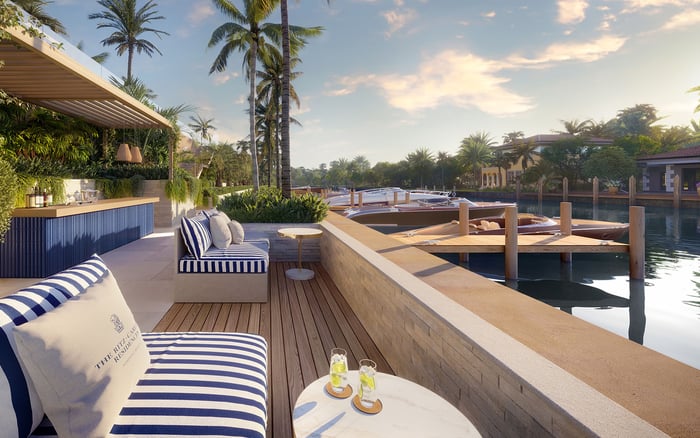
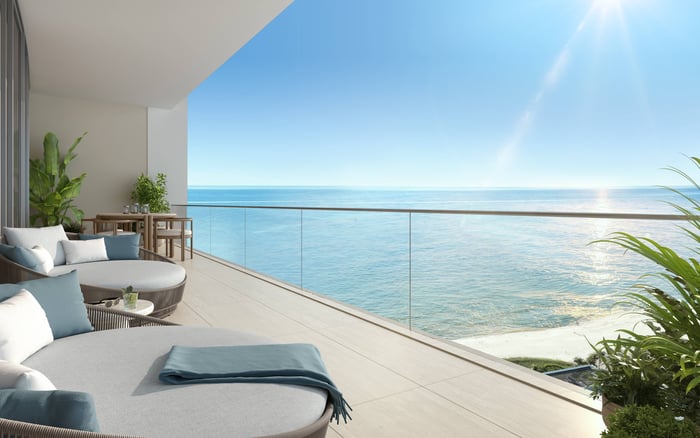
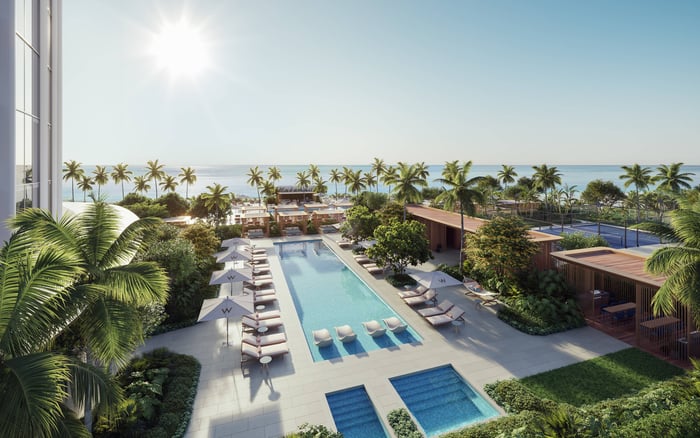
Two branded residential offerings give Pompano Beach buyers a focused starting point. The more consequential comparison concerns how each residence translates its hospitality positioning into daily service, ownership terms, and long-term lifestyle value.
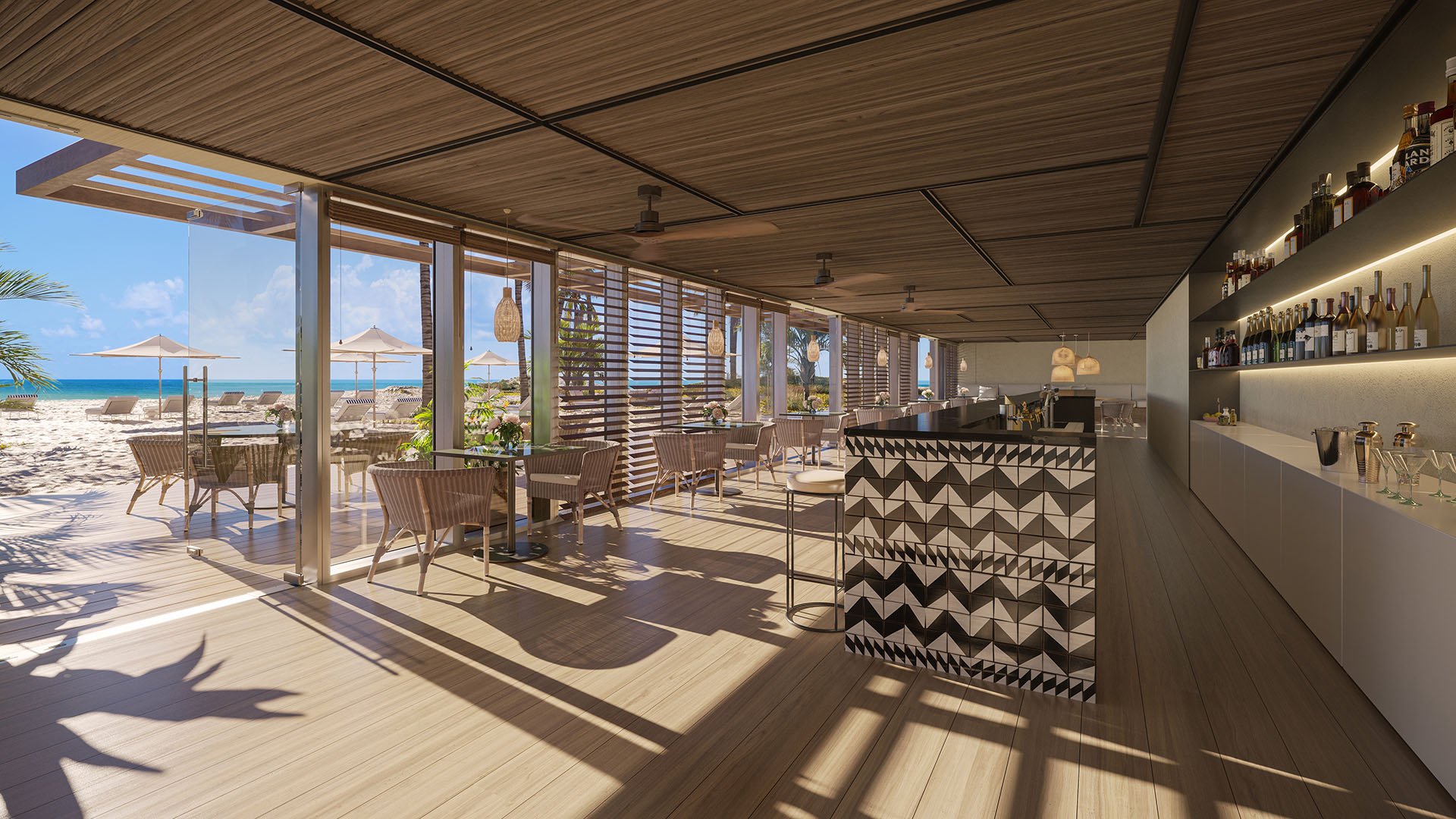
For buyers who view hospitality as integral to the residence rather than as an occasional amenity, Pompano Beach presents a focused question. The Ritz-Carlton Residences® Pompano Beach and Waldorf Astoria Residences Pompano Beach invite consideration through the lens of branded living.
Their relevance begins with brand identity, but it should not end there. Purchasers are not simply acquiring a familiar name. They are evaluating whether a residential experience can deliver consistency, discretion, responsiveness, and a credible sense of arrival. In this context, branded residences should be assessed as operating environments, not merely as designed objects.
That distinction places both projects squarely in the conversation. Each allows buyers to consider how a hospitality identity may shape ownership, while their shared Pompano Beach setting brings service philosophy, residential fit, and personal rhythm into sharper focus.
A successful hospitality-led residence should make everyday life easier without making it feel managed. The most valuable service is often quiet: preferences remembered, requests handled with judgment, arrivals made seamless, and private time protected. Buyers should look beyond the breadth of an amenity presentation and examine how service will function on an ordinary Tuesday.
The comparison should begin with practical questions. Who governs residential operations? Which services are included, and which incur separate charges? What hours, staffing assumptions, reservation policies, guest protocols, and owner priorities are established in the governing materials? A brand may set an expectation, but the ownership documents define the obligation.
This is where lifestyle becomes more than a marketing category. One buyer may value attentive interaction and a socially animated atmosphere. Another may prefer highly discreet service, minimal friction, and fewer touchpoints. Neither preference is inherently more luxurious. The better choice is the one whose operating culture feels natural to the owner.
Brand affinity can create an emotional lead, but the physical home must still prevail. Buyers should compare the available residences by proportion, circulation, privacy, storage, exposure, outdoor space, and the relationship between entertaining areas and private rooms. Views should be assessed at the individual-residence level rather than assumed from a general presentation.
For an oceanfront or waterfront purchase, orientation can influence the experience as much as the interior finishes. Morning light, afternoon heat, wind, terrace usability, nearby activity, and the visual character of each outlook all warrant attention. A buyer planning full-time occupancy may weigh these factors differently from someone seeking a seasonal retreat.
The same discipline applies to kitchens, wardrobes, baths, acoustic separation, elevator access, and service circulation. Materials can be replaced over time; an awkward floor plan is less forgiving. The strongest branded residence pairs its hospitality proposition with a home that works independently of the name attached to it.
Hospitality carries an operating cost. Before choosing between the two, buyers should request a clear account of recurring charges, reserve assumptions, insurance responsibilities, optional service pricing, parking arrangements, pet policies, rental provisions, and any fees connected to transfer or use. The objective is not to minimize expense at all costs, but to understand precisely what that expense supports.
Owners should also distinguish between benefits embedded in the residential program and privileges that may be discretionary, conditional, or subject to change. Any expectation central to the purchase should appear in the applicable agreement. Verbal descriptions provide context, but durable value rests on enforceable terms and competent operations.
This review is especially important when buyers compare multiple forms of luxury living within South Florida. A well-structured ownership package can reinforce confidence; ambiguity can dilute even the most compelling aesthetic proposition.
The decision need not be considered in isolation. Touring other branded concepts can reveal whether a buyer is responding to hospitality, fashion, design language, or the broader appeal of new coastal residential inventory. Armani Casa Residences Pompano Beach offers a relevant comparison for buyers exploring a design-associated identity in the same market.
Likewise, W Pompano Beach Hotel & Residences can help purchasers consider how a hotel-linked name may shape expectations of energy, interaction, and service style. These comparisons do not replace document review; they serve as useful calibration tools.
A thoughtful tour sequence should encompass the arrival, residential lobby, elevator path, amenity circulation, representative residence, parking experience, and immediate surroundings. Buyers should imagine repeated use, not a single polished visit. The project that remains persuasive under that practical test is more likely to support long-term satisfaction.
Begin by defining the non-negotiables: primary or secondary use, desired privacy, preferred level of staff engagement, entertaining habits, household requirements, and tolerance for recurring costs. Then assess both properties against the same criteria. This keeps the more emotionally resonant presentation from obscuring the stronger residential fit.
Next, test the hospitality promise. Request concrete explanations of owner services and operational boundaries, then confirm every material point in the documents. Finally, consider exit factors without pretending they can be predicted. Brand recognition may support visibility, but future value will also depend on the individual residence, building stewardship, financial discipline, and competing inventory.
The Ritz-Carlton and Waldorf Astoria names belong in this discussion because they give service-oriented buyers two reference points within one coastal destination. The final decision should be less about selecting a flag than identifying the home whose service model, physical plan, and ownership structure cohere.
Why compare these two Pompano Beach residences? They allow buyers to examine two hospitality identities within the same coastal market while focusing on residential fit and service culture.
Is the brand name enough to justify a purchase? No. The residence, governing documents, operating structure, recurring costs, and specific ownership rights should substantiate the brand promise.
What should a buyer review first? Begin with intended use and residential requirements, then assess floor plans, exposures, service provisions, fees, and restrictions on a consistent basis.
How should service quality be evaluated before closing? Ask who will operate the residential component, which services are included, how requests are handled, and which commitments appear in binding documents.
Do amenities matter more than the private residence? Amenities can enrich ownership, but the home’s layout, privacy, light, storage, and outdoor usability usually shape daily satisfaction more directly.
What costs deserve special attention? Review recurring assessments, reserves, insurance obligations, parking, optional services, transfer-related charges, and any usage-based fees.
Should a seasonal buyer assess the projects differently? Yes. A seasonal owner may place greater weight on arrival support, property care, guest protocols, and the ease of securing services while away.
Why tour competing Pompano Beach projects? Comparisons can clarify whether the real priority is hospitality, design identity, social energy, privacy, or a particular residential format.
Can brand recognition protect resale value? Recognition may improve visibility, but resale outcomes also depend on the individual home, stewardship, costs, condition, and future competition.
What is the clearest final decision rule? Choose the residence where the physical home, documented service model, ownership economics, and personal expectations align most convincingly.
When you're ready to tour or underwrite the options, connect with MILLION.
If branded residences are on your mind — as a home or as an allocation — we would be glad to share what we are seeing, privately.
Begin a quiet conversation