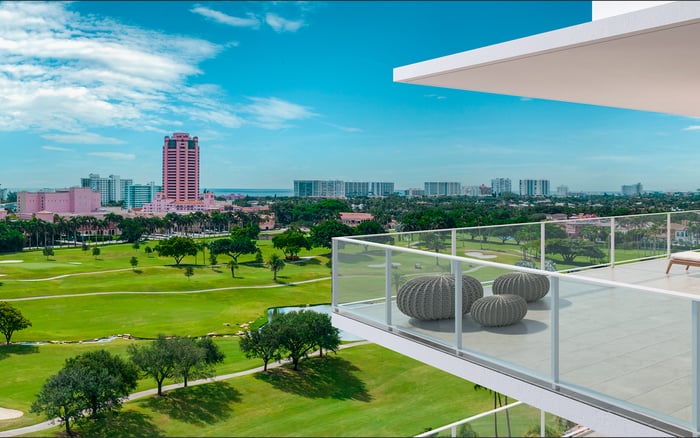
In Boca Raton, a residence’s true carrying risk can sit behind the walls, inside mechanical systems, and within association procedures. Buyers should weigh humidity control, water intrusion, absence care, and emergency access with the same rigor applied to price, design, and location.
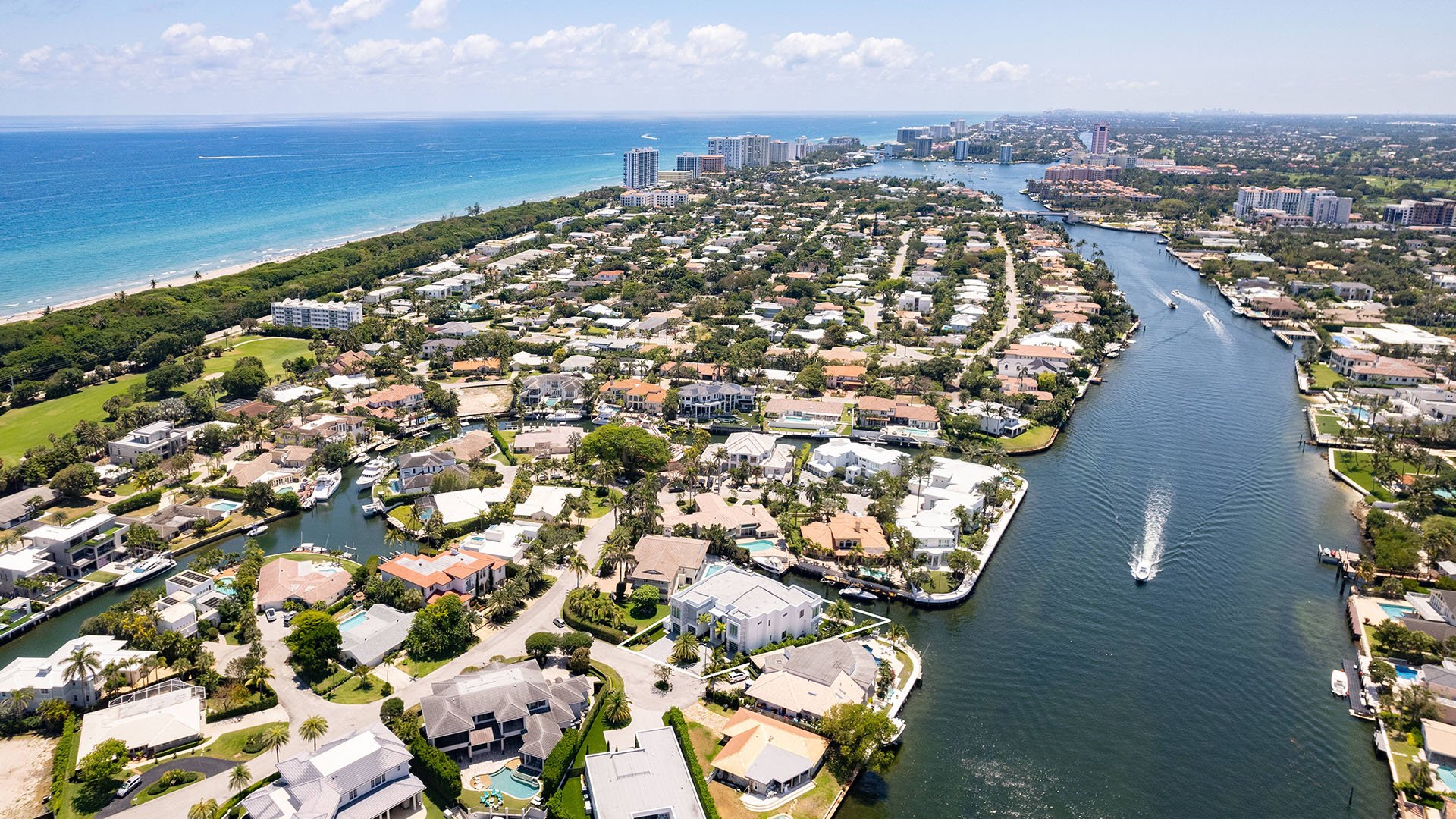
In Boca Raton, consequential ownership concerns may not appear on the listing sheet. For a residence that may remain closed during summer, air-conditioning, dehumidification, drainage, monitoring, and supervision deserve careful review. Together, these elements form part of the property’s operating architecture.
A beautifully presented home can still have a weak condensate line, an intermittent window leak, or concealed moisture. If climate control or monitoring is inconsistent during an owner’s absence, a manageable issue can become a more disruptive interior problem. The concern applies across coastal estates, golf communities, condominiums, and established neighborhoods.
In South Florida, operational discipline is part of the architecture of value.
This perspective can change how a buyer interprets an appealing asking price. Deferred waterproofing, a compromised roof component, inadequate drainage, or delayed access after a leak may affect the true cost and complexity of ownership. Buyers of both resale and new-construction property should examine the systems and procedures intended to protect the interior when no one is present.
Visible mold is a warning sign rather than a complete diagnosis. A useful investigation moves upstream to the moisture source, which may involve the roof, plumbing, air-conditioning, foundation, windows, doors, or drainage. Cleaning or repainting an affected area does not by itself demonstrate that the source has been corrected or that concealed materials have been assessed.
Before closing, buyers can request available disclosures, inspection findings, repair records, warranties, and documentation of prior water-related work. When conditions warrant further review, independent moisture and mold assessments can help clarify the property’s condition and the scope of any recommended response.
The exterior envelope deserves equal scrutiny. Review roof and drainage conditions, exterior finishes, waterproofing, balconies, window and door seals, HVAC performance, condensate management, and dedicated dehumidification where present. Ventilation also belongs in the evaluation because mechanical performance and airflow influence interior moisture management.
For a waterfront home, the inspection should account for the residence’s specific design, exposure, maintenance history, and equipment. The objective is not to assume that a property has a problem, but to determine whether its systems have been maintained and whether any prior symptoms point to an unresolved source.
A second home benefits from a written operating plan rather than an informal promise that someone will check it occasionally. The plan should identify who monitors interior conditions, receives alerts, enters the residence, contacts vendors, communicates with the owner, and documents the condition after severe weather. It should also establish an inspection cadence and an escalation process for abnormal readings or observations.
For a condominium purchase, request the current absentee-owner rules, emergency-access procedures, water-management requirements, hurricane-season protocols, and any available guidance on incident reporting. Ask who may hold keys, whether after-hours access can be arranged, how owners are notified, and who can approve immediate stabilization if the owner cannot be reached.
When considering condominium options such as Alina Residences Boca Raton or Glass House Boca Raton, the inquiry should extend beyond finishes and views. Buyers should review the governing documents, management procedures, and owner responsibilities applicable to the specific residence rather than infer service standards from branding, age, or presentation.
For an estate, the absence-care review may involve a property manager, caretaker, security provider, landscaping team, pool service, and mechanical contractors. Responsibilities should be coordinated so that an alert leads to inspection and action rather than uncertainty about who is authorized to enter or make a decision.
A useful emergency-response plan identifies the person receiving an alert, the person with physical access, the vendor permitted to stabilize conditions, and the party empowered to approve work. It should also address owner travel, unavailable contacts, after-hours incidents, and failures in normal communications.
Buyers should confirm whether the association or property manager maintains emergency procedures, whether owners may engage their own specialists, and how communication is handled when an incident may affect neighboring residences. They should also distinguish between immediate stabilization, investigation of the source, repair, remediation, and restoration, as these may involve different responsibilities and providers.
A gated-community estate introduces additional access considerations. Gate credentials, caretaker authorization, alarm permissions, utility shutoffs, and vendor entry should be arranged before an emergency occurs. The same principle applies when reviewing The Residences at Mandarin Oriental Boca Raton and Mr. C Residences Boca Raton: buyers should verify the actual response chain, service scope, and owner obligations in the documents governing the residence.
Absence protocols should become more specific during hurricane season. Owners should understand who is responsible for outdoor furnishings, shutters or other protective systems, pre-storm preparation, access during an absence, and post-storm inspection. Any arrangement should identify the trigger for action, the authorized provider, and the method used to document completion.
A post-event review can cover the envelope, roof drainage, glazing, door seals, balconies, mechanical systems, condensate management, and signs of water migration. For condominiums, buyers should clarify the boundary between association and owner responsibilities. For single-family homes, they should determine which professionals will inspect the property and how urgent work can be authorized.
The goal is a repeatable process. A checklist, current contact list, access protocol, and clear approval chain can reduce hesitation when the owner is away and conditions require prompt attention.
A disciplined buyer’s-guide approach separates cosmetic appeal from operational resilience. Compare the asking price with the possible cost and complexity of envelope work, mechanical upgrades, dehumidification, monitoring, caretaker visits, emergency access, and post-event documentation. Review available records of prior leaks and repairs, then determine whether recurring symptoms suggest that the original source needs further investigation.
The strongest purchase is not necessarily the lowest-priced or newest residence. It is the home whose physical systems, ownership procedures, and response network align with the buyer’s intended use. In Boca Raton, that capacity supports privacy, continuity, and confidence throughout periods when the residence is occupied or left unattended.
For discreet guidance on evaluating Boca Raton residences beyond the asking price, consult MILLION.
If branded residences are on your mind — as a home or as an allocation — we would be glad to share what we are seeing, privately.
Begin a quiet conversationHumidity management can affect interior finishes, furnishings, mechanical systems, and concealed building materials. Buyers should review how the residence controls and monitors indoor conditions.
Air-conditioning is only one part of the review. Dehumidification, ventilation, condensate management, monitoring, and maintenance may also be relevant.
They should investigate the underlying moisture source and request appropriate inspection and repair documentation. Surface cleaning alone may not explain why the condition developed.
Potential sources include roofs, plumbing, air-conditioning equipment, foundations, windows, doors, drainage, and exterior waterproofing.
It should define monitoring, inspection, alert handling, physical access, vendor contact, decision-making authority, and documentation.
Buyers should request current governing documents and procedures covering access, water management, incident reporting, owner responsibilities, and storm preparation.
Clear access arrangements can reduce uncertainty when a residence needs prompt inspection or stabilization during an owner’s absence.
They should clarify responsibility for preparation, protective systems, outdoor objects, emergency access, communication, and post-event inspection.
The review should consider the envelope, drainage, waterproofing, openings, balconies, HVAC equipment, condensate management, and maintenance records.
Weak climate control, absence care, or emergency planning can increase ownership complexity. A buyer can weigh those concerns alongside price, design, and location.