Pompano Beach can suit young families when daily building operations support calm arrivals, flexible amenity use, secure movement, service consistency, and realistic household logistics.
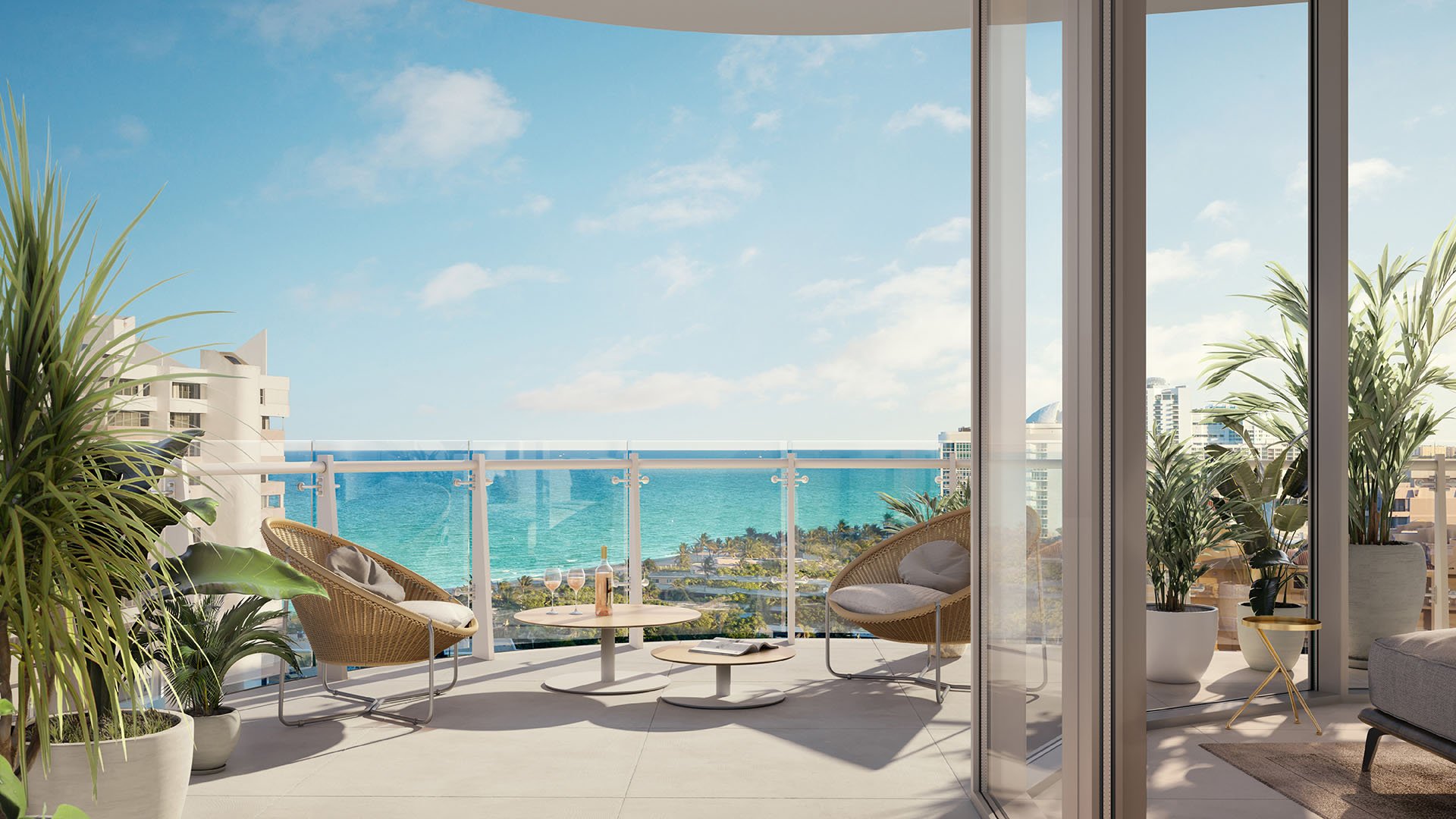
Pompano Beach is part of the conversation for young families who want the privileges of coastal South Florida without automatically defaulting to Miami Beach, Boca Raton, or Fort Lauderdale. The appeal is not only the water. It is the prospect of a more composed daily rhythm, where school runs, stroller storage, visiting grandparents, pets, beach gear, groceries, and weekend guests can coexist within a well-run building.
That last phrase matters. A residence can be beautifully designed and still feel difficult for family life if the operations are thin. Conversely, a building with thoughtful staffing, disciplined access control, clear amenity rules, useful storage, and predictable maintenance can make high-rise or mid-rise living feel genuinely livable. For families considering Pompano Beach, the question is not simply whether the address is desirable. It is whether the building performs well at 7:35 on a school morning, at 5:15 after sports practice, and on a rainy Sunday when children, deliveries, and guests arrive at once.
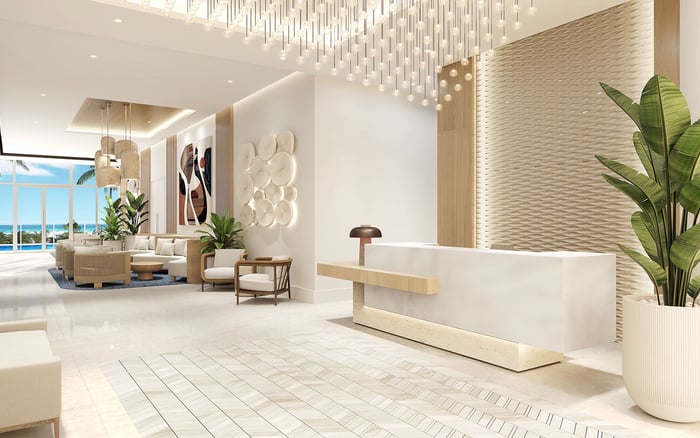
The most valuable family amenity is often not the most photogenic one. It is the team that knows how to manage movement. A young family may care deeply about design, views, and finishes, but the daily experience is shaped by quieter systems: how quickly valet retrieves a car, whether the lobby can absorb multiple arrivals, how elevators are prioritized during peak hours, how packages are handled, and how maintenance requests are triaged.
In Broward, where many luxury buyers balance work across Fort Lauderdale, Boca Raton, Miami, and Palm Beach, a building’s operations can either reduce friction or add to it. For families, that difference compounds. A lobby that feels serene at cocktail hour but chaotic after school is not truly family-ready. A pool deck that photographs beautifully but lacks thoughtful rules may become stressful. A pet-friendly policy without clear procedures can create tension between residents.
This is where buildings such as The Ritz-Carlton Residences® Pompano Beach enter the conversation for buyers evaluating service culture as seriously as architecture. The name may draw attention, but families should still ask practical questions about how the property will function during ordinary weeks, not only during a sales presentation.
A family visit should be more rigorous than a standard showing. Arrive at a realistic time of day. Watch how the entrance handles cars, children, luggage, and deliveries. Observe whether the staff is warm without being intrusive. Ask how guests are registered, how household employees enter, where bicycles or boards are stored, and how common areas are supervised.
The elevator experience deserves particular attention. Families living in towers rely on vertical circulation for everything: school departures, dog walks, grocery returns, emergency errands, and quick trips to the pool. If elevator waits feel inconsistent, the residence may feel less convenient than its floor plan suggests. The same applies to parking. A glamorous porte cochère is less useful if the morning handoff is inefficient.
Noise management is another critical test. Family life includes children, visiting relatives, birthdays, music lessons, and occasional spills. A well-operated building does not pretend family life is silent. It creates reasonable expectations so households with children, seasonal owners, retirees, and professionals can share space without constant friction.
Young families are often drawn to amenity-rich buildings, but more is not always better. The key is whether the amenity program supports real use. A children’s space can be valuable if it is clean, visible, and sensibly governed. A fitness center matters more if parents can use it quickly. Outdoor areas are more useful when they provide shade, quiet corners, and practical transitions between swimming, snacks, and rest.
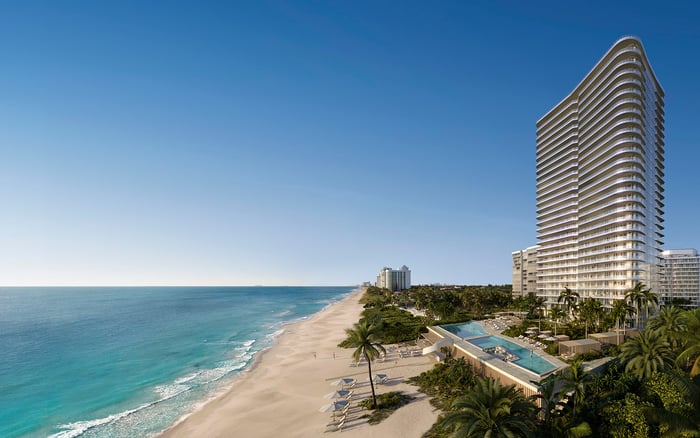
Oceanfront living also requires operational discipline. Beach access can be a major lifestyle advantage, but families need to understand how towels, chairs, sand, wet clothing, and guest use are handled. Oceanfront should not mean disorder at the elevator bank. The best-run properties choreograph the movement from residence to water and back again, allowing the romance of the beach to remain intact.
Projects like Armani Casa Residences Pompano Beach and W Pompano Beach Hotel & Residences illustrate how brand, design language, and hospitality expectations can influence buyer perception. For families, however, the deeper evaluation is whether the building’s operating model can translate that polish into calm weekday living.
Every building has a culture. Some lean quiet and private. Others feel social, animated, and hospitality-driven. Neither is inherently better, but families should match the building culture to their household rhythm. A couple with toddlers may prefer a residence where staff anticipates family logistics and where other residents are accustomed to children. Parents with older children may value independence, safe circulation, and spaces where teenagers can move without feeling over-managed.
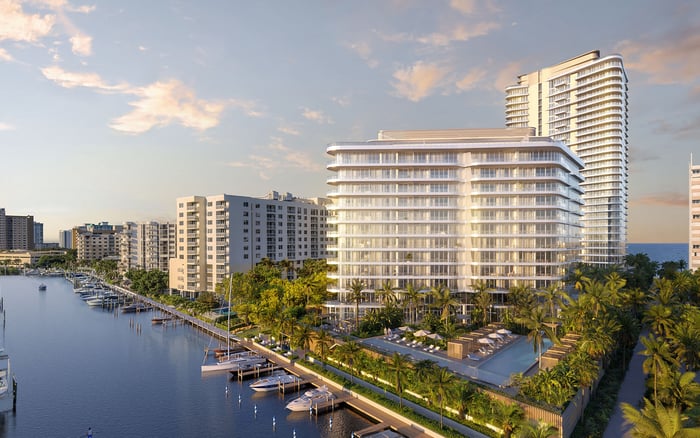
Scale plays a role. A smaller building can feel intimate and easier to navigate, but may have fewer layers of service. A larger building may offer a richer amenity program, but operations must be strong enough to prevent crowding. The decision should be based less on size alone and more on the relationship between the number of homes, the staffing approach, and the rules governing shared spaces.
For buyers who want a more boutique lens, Ocean 580 Pompano Beach may prompt a different set of questions than a larger branded environment. The point is not to declare one format superior. It is to understand which format best supports the household’s actual life.
Families should ask direct operational questions before becoming emotionally attached to a residence. How are move-ins scheduled? How are contractors managed? What is the guest policy for pool and beach areas? Are there rules for children’s parties? How are pets accommodated? Where do strollers, scooters, and beach equipment belong? What happens when a resident needs urgent in-unit service?
The answers reveal more than the brochure. They show whether management has anticipated the complexity of real family living. In luxury real estate, elegance is not the absence of activity. It is activity handled with discretion.
New-construction buyers should be especially attentive to the transition from sales vision to everyday management. A new building can be seductive because everything feels pristine, but the first years require strong systems, clear governance, and responsive ownership. Buyers considering Waldorf Astoria Residences Pompano Beach, or any new coastal residence, should focus on how service promises will be implemented once the building is occupied.
Pompano Beach can work very well for young families, but not on location alone. The strongest fit emerges when a building offers practical daily choreography: easy arrivals, secure access, responsive staff, sensible amenity rules, storage that reflects beach living, and a culture that welcomes family life without sacrificing refinement.
The luxury buyer with children should resist being led only by finishes, renderings, or brand prestige. Those elements matter, but the family test is operational. If the building can make Monday morning feel manageable, Saturday guests feel effortless, and beach days feel graceful, then Pompano Beach becomes more than an attractive coastal option. It becomes a credible long-term home.
Is Pompano Beach a serious option for young families? Yes, if the selected building supports daily family routines with strong staffing, access control, and practical amenity management.
What is the most important building feature for parents? Reliable operations often matter most, especially valet, elevators, security, maintenance response, and package handling.
Should families prioritize oceanfront buildings? Oceanfront can be highly appealing, but families should confirm how beach access, wet gear, guests, and shared spaces are managed.
Are branded residences automatically better for families? Not automatically. A brand can signal service expectations, but buyers still need to test the building’s actual operating plan.
How should parents evaluate amenity spaces? They should look for flexible, well-supervised spaces that are easy to use during real family schedules, not only impressive in photos.
Do pets change the building evaluation? Yes. Families with pets should review rules for elevators, outdoor relief areas, cleaning, and resident etiquette.
Is a smaller building better than a larger tower? It depends on the household. Smaller buildings may feel intimate, while larger buildings need strong management to keep amenities calm.
What should buyers ask during a showing? Ask about guest policies, move-ins, storage, children’s events, beach logistics, maintenance response, and peak-hour elevator use.
Can new construction work well for families? Yes, when the building has clear governance, experienced management, and operational systems ready for everyday occupancy.
What is the main takeaway for Pompano Beach buyers? The right residence is not just beautiful; it must make family life smoother, safer, and more composed every day.
For a confidential assessment and a building-by-building shortlist, connect with MILLION.
If branded residences are on your mind — as a home or as an allocation — we would be glad to share what we are seeing, privately.
Begin a quiet conversation