For Monaco-based executives, a Key Biscayne condo can serve as the residential anchor of a broader Florida plan, but ownership alone does not establish domicile, immigration status or tax residency. The most disciplined search aligns legal advice, family use, building quality, liquidity and documented intent before a contract is signed.
For a Monaco executive considering South Florida, a Key Biscayne condo search should begin as a strategic exercise, not a conventional second-home purchase. The residence may become the physical anchor for time in Florida, family routines, personal records and long-range estate planning. Yet the acquisition itself does not establish U.S. immigration status, Florida domicile or tax residency.
That distinction changes the sequence. Before touring residences, the buyer should assemble qualified cross-border tax, immigration and estate-planning advisers in the relevant jurisdictions. The objective is to understand which facts, filings and patterns of conduct matter, then select a home that supports the intended lifestyle without being mistaken for legal proof in itself.
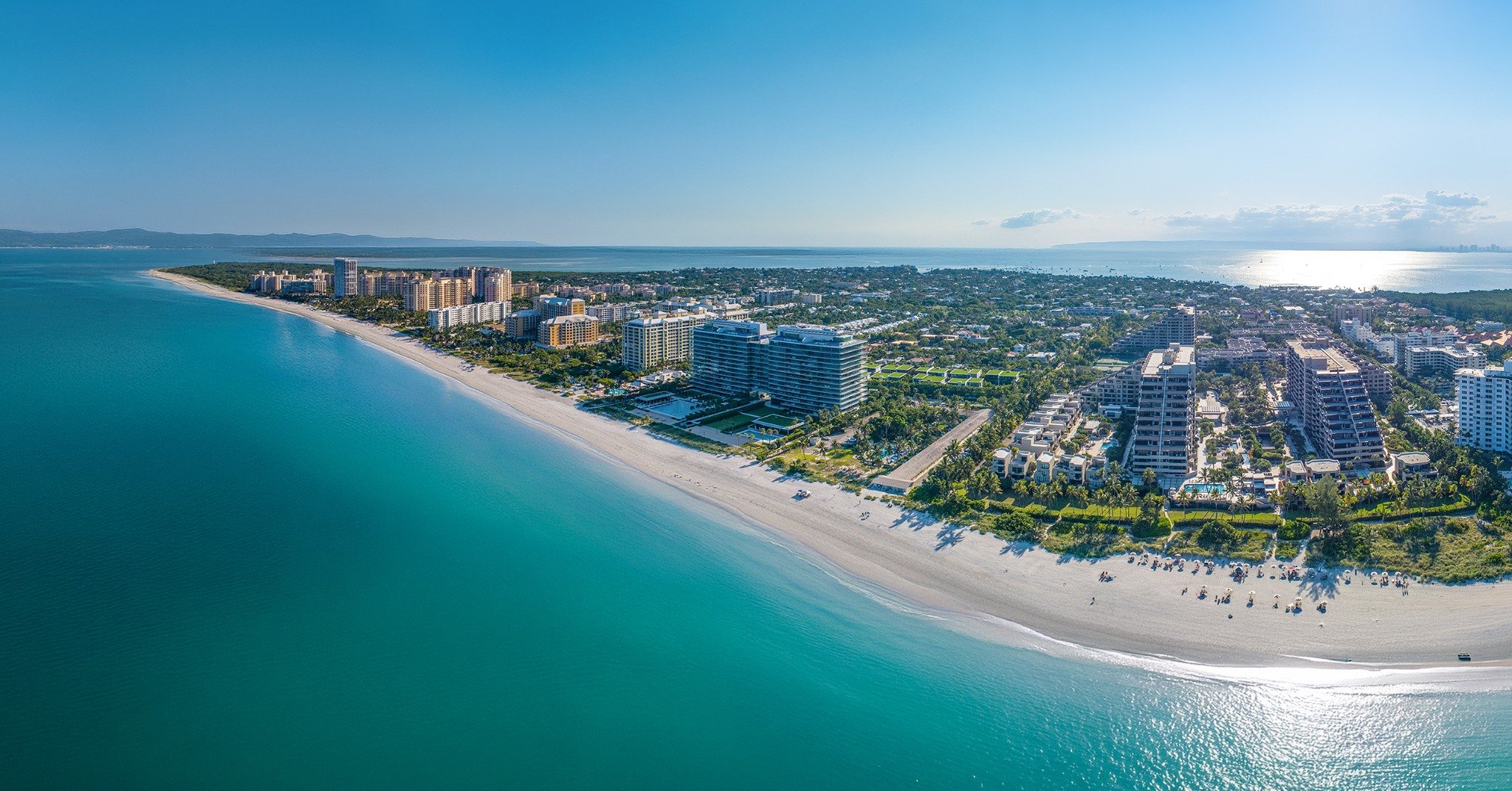
Key Biscayne is particularly compelling because it offers a quieter, lower-density waterfront environment than Miami Beach or central Miami while remaining connected to the wider South Florida luxury market. For an executive balancing privacy, family use and access to Miami, that combination can make the island far more than an occasional escape.
A serious brief should distinguish personal enjoyment from strategic utility. How frequently will the executive and family occupy the property? Will it function as a primary Florida base, a seasonal residence or a second home? Is privacy more important than extensive amenities? How much staff, storage and guest accommodation will be required?
The answers should guide the choice of building, floor plan and ownership budget. They should also be tested against counsel’s advice, especially where travel patterns, immigration permissions, corporate responsibilities and succession planning intersect. A buyer should not allow an attractive closing timetable to dictate a residency position that has yet to be fully designed.
This is where lifestyle and administration converge. A residence that is easy to use consistently, maintain securely and document accurately may be more strategically suitable than a larger property that remains mostly vacant. The right condo should fit the buyer’s actual pattern of life, not merely an aspirational schedule.
The island’s physical scarcity is central to its value proposition. Key Biscayne is fully built out, leaving little room for large-scale residential expansion. Waterfront property values have risen by more than 45% since early 2022, while pricing in leading buildings has approached benchmarks associated with prominent Miami Beach and Fisher Island addresses.
Luxury island properties commonly range from about $1,200 to more than $3,000 per square foot. Oceanfront and bayfront condos generally span approximately $1.5 million to $7 million or more. By mid-2026, active listings had reached about 150, nearly 50% above the comparable 2025 period, while typical marketing time had lengthened from roughly 83 to 100 days.
For a patient buyer, that combination creates a nuanced opportunity. Structural scarcity remains, but greater choice and longer market exposure can strengthen negotiating leverage. February 2026 figures placed the median sale price near $1.992 million, with the average sale-to-list ratio below 100%. Those broad measures provide useful context, but they are no substitute for unit-level comparable sales, current listing history and association records.
A strategic purchase requires scrutiny beyond finishes and water exposure. Before committing, advisers should review reserves, pending or recent assessments, insurance, structural inspections, litigation, rental restrictions and association governance. These factors can shape annual carrying costs, saleability and the ease with which the residence accommodates changing family needs.
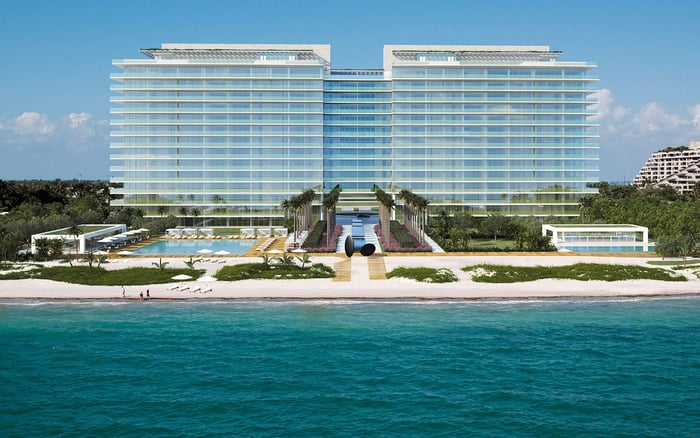
Oceana Key Biscayne provides a relevant island reference point for buyers evaluating the upper end of the local condo market. Still, no building name can replace diligence on the specific unit and association. Floor-plan efficiency, privacy, condition, exposure and the complete cost profile all influence value.
Investment analysis should remain equally conservative. Key Biscayne condos offer an island address with less capital than a waterfront single-family estate generally requires, while international and domestic demand can broaden the potential resale pool. That does not guarantee liquidity. Entry price, holding costs and building health remain decisive.
A Key Biscayne search becomes clearer when tested against other prime Miami settings. An executive prioritizing a more urban base might compare it with Una Residences Brickell. A buyer seeking a residential enclave on the mainland could consider Park Grove Coconut Grove, while The Residences at Six Fisher Island offers another frame for evaluating highly limited island inventory.
The purpose is not to identify a universal winner. It is to determine which location best supports the buyer’s actual movements, privacy threshold, household composition and tolerance for operating complexity. Waterfront prestige matters, but strategic fit matters more.
The strongest process advances on parallel tracks. Legal and tax advisers define the intended framework. A real-estate adviser evaluates inventory, comparable transactions and negotiating position. Condominium specialists assess the association, while insurance and finance professionals establish realistic carrying costs.
Records and conduct after closing must remain consistent with professional advice. The buyer should also revisit the plan as corporate duties, family circumstances or travel patterns change. A condo can support a carefully organized Florida presence, but it should never be treated as a shortcut to residency.
For Monaco executives, the most valuable outcome is not simply an ocean view. It is a residence selected with the precision required to serve personal life, capital discipline and a legally informed cross-border plan.
Does buying a Key Biscayne condo establish Florida residency? No. Ownership alone does not establish legal domicile, tax residency or immigration status.
When should cross-border advisers become involved? Engage qualified tax, immigration and estate-planning professionals before selecting or contracting for a property.
What is the typical luxury condo price range? Oceanfront and bayfront condos generally range from about $1.5 million to $7 million or more.
What price per square foot is common? Luxury properties commonly command about $1,200 to more than $3,000 per square foot.
Is the island’s residential supply structurally limited? Yes. Key Biscayne is fully built out, making large-scale new development unusually scarce.
Do buyers currently have negotiating room? Longer marketing times and an average sale-to-list ratio below 100% suggest room for patient, evidence-based negotiation.
Which condominium documents deserve close review? Examine reserves, assessments, insurance, inspections, litigation, rental rules and governance.
Can a condo be easier to acquire than an island estate? The condo segment generally provides access to an island address with less capital than a waterfront single-family home.
Should buyers compare Key Biscayne with other Miami enclaves? Yes. Compare privacy, access, household needs, carrying costs and long-term liquidity.
What should guide the final decision? Choose the residence that best aligns real use, professional advice, financial discipline and long-term flexibility.
To compare the best-fit options with clarity, connect with MILLION.
If branded residences are on your mind — as a home or as an allocation — we would be glad to share what we are seeing, privately.
Begin a quiet conversation