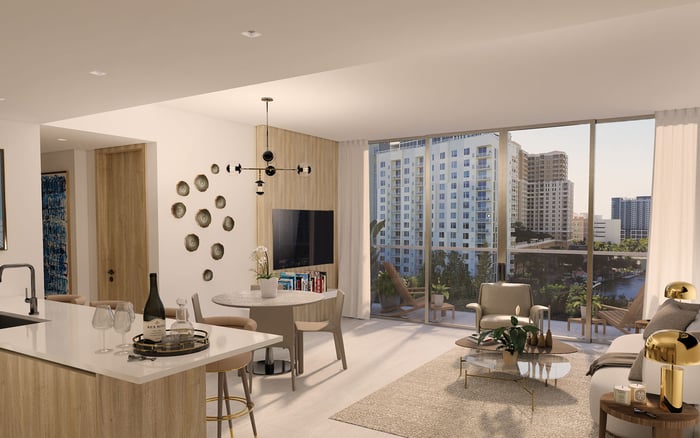
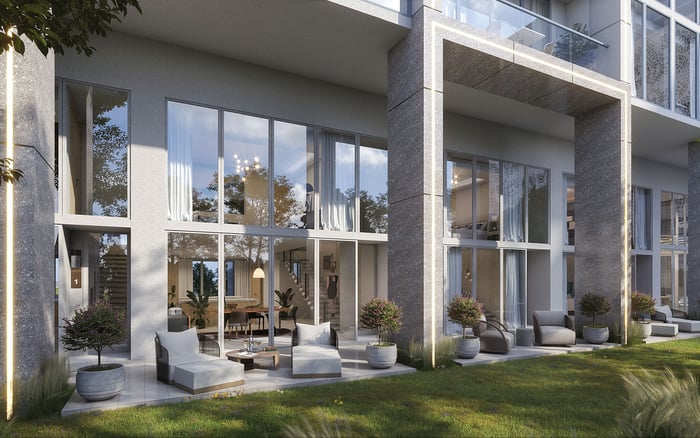
Las Olas can be a compelling midpoint for buyers who want urban convenience without giving up the rhythm of Fort Lauderdale’s waterfront life. The deciding factor is often not the view, address, or finish package alone, but how well a building runs every day.
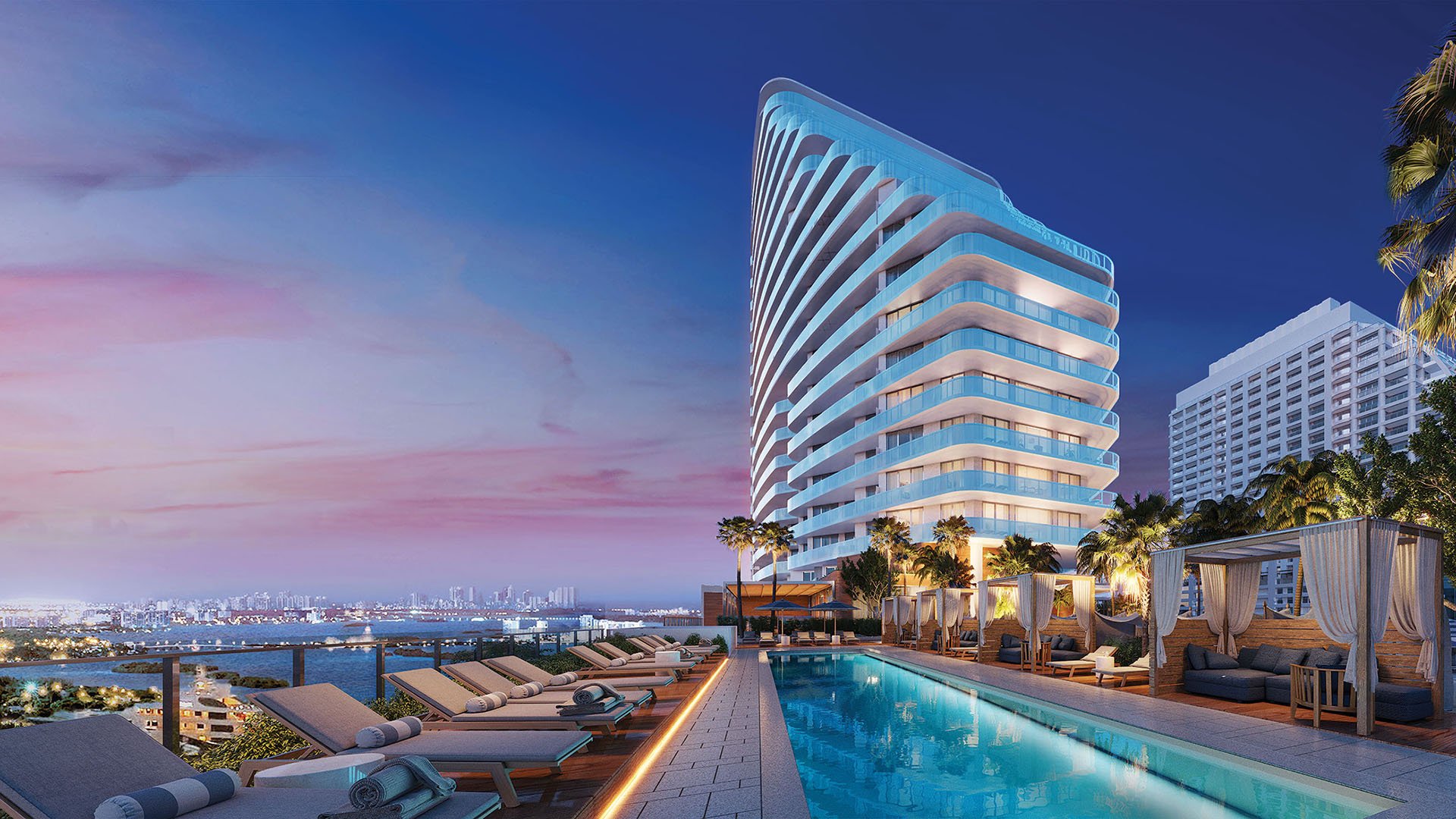
For a certain South Florida buyer, the familiar question sounds simple: beach or city? The beach promises immediacy, salt air, resort energy, and a daily relationship with the shoreline. The city offers dining, culture, professional convenience, walkability, and a more flexible year-round rhythm. Las Olas can sit between those instincts in a way that feels particularly relevant for Fort Lauderdale, especially for buyers who want a polished home base rather than a single-purpose retreat.
The caveat matters. Las Olas works at the luxury level only when the building operations are right. A beautiful residence can lose its appeal if arrivals are disorderly, service is inconsistent, parking is cumbersome, vendors are unmanaged, or the rules feel mismatched with the way owners actually live. Conversely, a building with disciplined operations can make a city-adjacent lifestyle feel calm, private, and surprisingly resort-like.
In Broward, this distinction carries real weight because luxury buyers often compare multiple versions of waterfront life. A buyer might weigh a more urban Fort Lauderdale option such as Sixth & Rio Fort Lauderdale against a beach-oriented address such as Auberge Beach Residences & Spa Fort Lauderdale. The decision should not be reduced to sand versus sidewalk. It should begin with how the residence functions on a Tuesday morning, a Friday evening, and a holiday weekend.
In luxury real estate, operations are the invisible architecture. They shape how guests arrive, how residents move through the property, how deliveries are handled, how privacy is protected, and how maintenance issues are resolved before they become visible. For Las Olas buyers, that can be the difference between a home that feels central and one that feels exposed.
The strongest operational environments create frictionless transitions. A resident should be able to leave for dinner without negotiating a congested lobby, receive visitors without ambiguity, and manage household staff or service providers without disturbing the building’s composure. For lock-and-leave owners, the question becomes even sharper: who notices what is happening in the residence when the owner is away, and how quickly does the building respond?
Beach access also deserves a practical definition. It is not only about proximity to the sand. It is about whether the building’s routines make the beach easy to enjoy when desired, while still preserving the benefits of city living. If every beach outing feels logistically heavy, the address may not serve the lifestyle. If the building smooths transportation, parking, packages, service appointments, and guest flow, the city-beach balance can feel natural.
Oceanfront living has a clarity buyers understand immediately. The view is the premise, the shoreline is the amenity, and the building often becomes an extension of a resort routine. For some buyers, that is precisely the goal. A residence such as Four Seasons Hotel & Private Residences Fort Lauderdale may appeal to those who want a hospitality-inflected frame for beach living, with the emotional simplicity that comes from being close to the water.
Las Olas asks a different question: do you want the beach to define the day, or do you want it available when you choose it? For buyers who entertain, dine out, move between professional commitments, or prefer a more varied weekly routine, the answer may favor the city side. The value is optionality. You can enjoy Fort Lauderdale’s coastal identity without making every aspect of life revolve around beach logistics.
That optionality becomes more compelling when the building is operated with restraint. Luxury buyers are not simply paying for amenities. They are paying for reduced friction, protected time, and a level of predictability that makes the property feel composed. In this context, the most important amenity may be the absence of inconvenience.
The first test is arrival. Buyers should pay close attention to how the building receives cars, guests, deliveries, and service providers. A lobby may photograph beautifully, but the driveway and front desk often reveal the true character of operations. If the arrival sequence feels calm under ordinary conditions, that is a good sign. If it feels improvised, the issue rarely improves after closing.
The second test is daily movement. Elevators, parking, package rooms, storage, pet routines, and guest access all become part of the lived experience. Buyers comparing Las Olas with beach residences should ask which environment will make their normal week easier. A beachfront address may be emotionally compelling, while a Las Olas residence may perform better for dining, meetings, errands, and spontaneous social plans.
The third test is governance. Rules should be clear, consistently enforced, and aligned with the building’s identity. A luxury building that tries to accommodate every possible use can dilute the residential experience. A building that is too rigid can frustrate owners whose lives require flexibility. The best buildings know what they are and operate accordingly.
For buyers who also want marina, beach, or resort energy nearby, a comparison with St. Regis® Residences Bahia Mar Fort Lauderdale may clarify priorities. The exercise is not about declaring one lifestyle superior. It is about identifying which operational model best supports the buyer’s actual patterns.
Luxury buyers tend to focus on architecture, views, interior finishes, and brand alignment. Those elements matter, but operational quality can become a quieter form of value preservation. A well-managed building often ages more gracefully in the eyes of owners and guests. The public spaces feel cared for. The service culture remains consistent. The property’s reputation becomes part of its appeal.
This is especially important for Las Olas, where the lifestyle proposition depends on balance. If the building runs smoothly, the location can feel like a strategic base for both city life and coastal enjoyment. If operations are weak, the same location can feel too busy for a retreat and not efficient enough for a city residence.
Buyers should also consider how the building performs during peak social periods. Fort Lauderdale has moments when traffic, guests, boats, restaurants, and events intensify the rhythm of the city. A well-operated building absorbs those moments. A poorly operated one transfers the pressure directly to residents.
The strongest candidate is the buyer who wants variety without chaos. This may be a primary resident who enjoys dining and waterfront culture, a seasonal owner who wants a lock-and-leave base, or a downsizer seeking convenience without losing the sense of occasion associated with coastal South Florida. It may also be a buyer who admires the beach but does not want every practical decision to depend on it.
Las Olas works best for buyers who value service discipline, privacy, and ease of movement as much as views and finishes. It is less about choosing city over beach and more about choosing a building that makes both feel accessible. In that sense, operations are not a secondary concern. They are the mechanism that turns location into lifestyle.
Why can Las Olas appeal to buyers comparing beach and city living? It can offer a more flexible daily rhythm, with urban convenience and coastal access both part of the lifestyle equation.
What matters most when evaluating a Las Olas luxury building? Operations matter most, including arrival, staffing, privacy, parking, deliveries, and the consistency of rule enforcement.
Is beach proximity enough to justify choosing an oceanfront residence? Not always. Buyers should consider whether the beach setting supports their everyday routines or simply satisfies an occasional preference.
How should buyers compare Las Olas with beachfront Fort Lauderdale buildings? They should compare the full day-to-day experience, including service flow, transportation, guest arrival, and maintenance culture.
Does brand matter in the Fort Lauderdale luxury market? Brand can matter, but it should be evaluated alongside the building’s operating standards and the buyer’s lifestyle needs.
What is the biggest mistake buyers make in this decision? They often focus on views and finishes before testing how the building actually functions during normal use.
Can Las Olas work for a seasonal or lock-and-leave owner? Yes, if the building has disciplined management, reliable communication, and clear procedures for owner absences.
Why is governance important in a luxury condominium? Governance shapes the tone of the property and helps protect privacy, order, and the long-term residential experience.
Should buyers prioritize amenities or operations? Amenities are valuable, but operations determine whether those amenities feel effortless, private, and worth using.
How should a buyer begin narrowing the Fort Lauderdale search? Start with lifestyle patterns, then evaluate buildings by service quality, access, privacy, and long-term fit.
When you're ready to tour or underwrite the options, connect with MILLION.
If branded residences are on your mind — as a home or as an allocation — we would be glad to share what we are seeing, privately.
Begin a quiet conversation