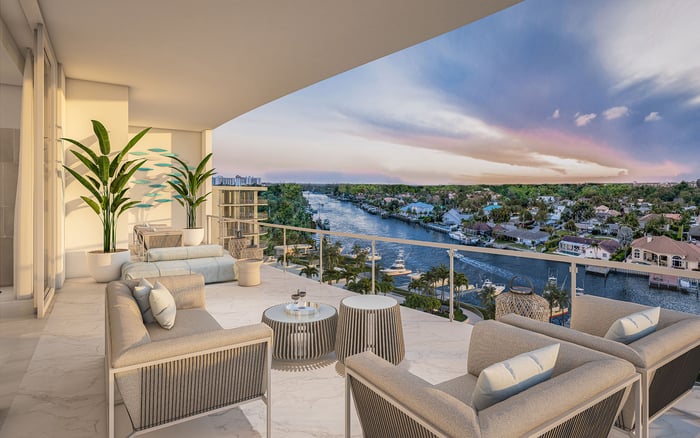
For discerning Palm Beach Gardens buyers, the decisive luxury may be certainty. A disciplined review of the developer, delivery structure, contract, capital plan and operating vision can reveal more than a polished presentation ever will.
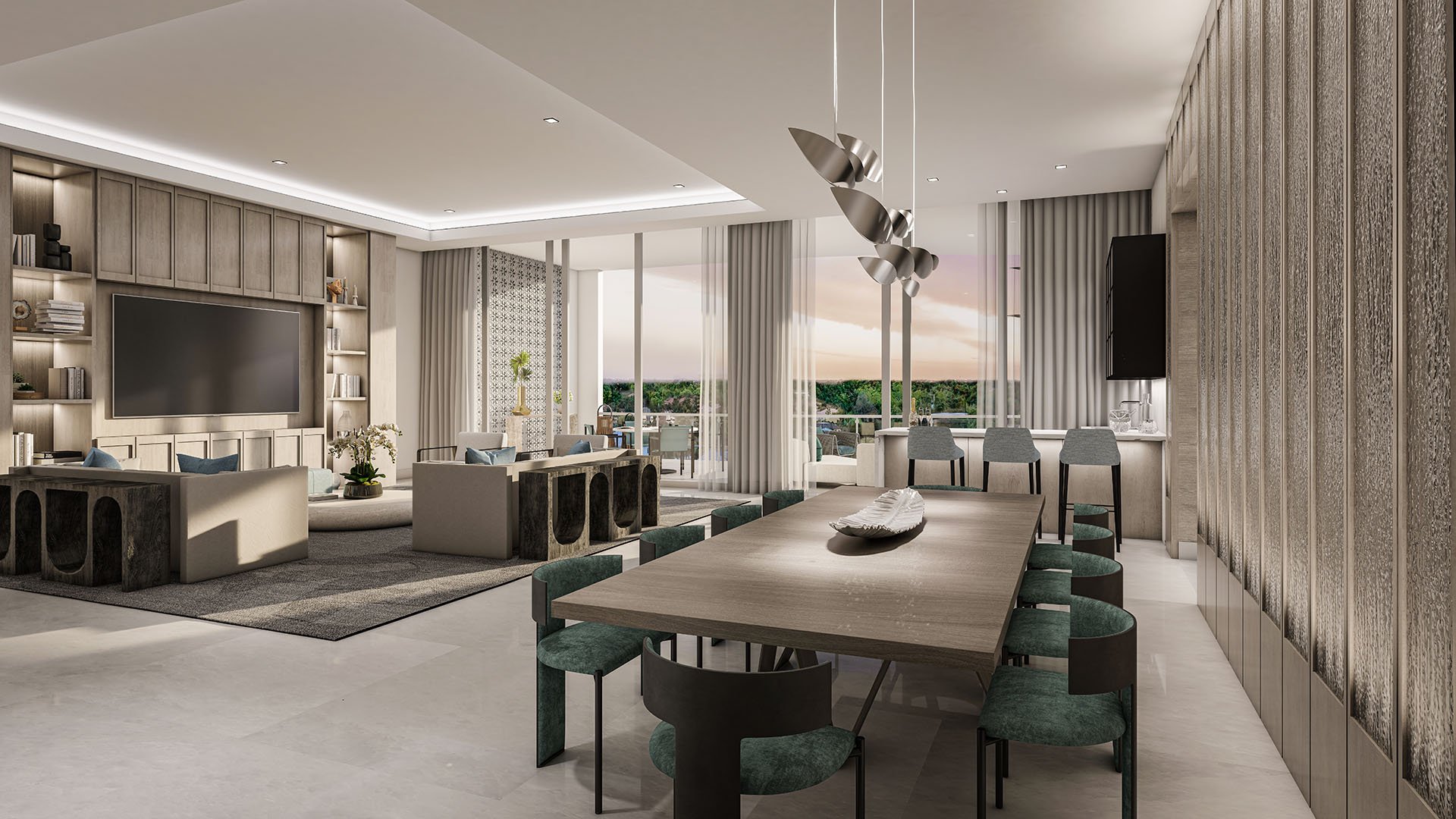
In Palm Beach Gardens, a beautifully composed residence can make an immediate impression. Stone selections, tailored millwork and sculptural fixtures are tangible, photogenic and easy to compare. Yet for a buyer committing capital before completion, the more consequential questions often lie behind the presentation: Who is responsible for execution, how is delivery structured, and what protections apply if expectations change?
Finishes can sometimes be adjusted, upgraded or replaced. A delayed closing, altered plan, unresolved construction issue or underdeveloped operating concept is far more difficult to correct. The central question is not whether design matters, but whether the organization promising that design has the discipline to deliver the entire environment with consistency.
For readers of MILLION Buyer's Guides, this is the distinction between purchasing an attractive specification and underwriting an outcome.
A track record should be examined as a pattern, not reduced to a recognizable name or a single successful property. Buyers should ask what the team has completed, whether its prior work resembles the current proposal, who managed construction and how closely the delivered result matched the original promise.
The inquiry should extend beyond architecture. It includes communication during construction, the treatment of buyer changes, closing administration, common-area completion and the transition from development to resident control. A sophisticated sponsor should be able to define responsibilities clearly, identify the relevant counterparties and document material commitments.
Brand affiliation may add another layer of review, but it should not replace sponsor diligence. Even when considering The Ritz-Carlton Residences® Palm Beach Gardens, a buyer should distinguish among the developer, contractor, design team, operator and brand. Each may shape a different aspect of the ownership experience.
Pre-construction buyers often focus on the estimated delivery window. Serious diligence reaches further. Delivery risk can encompass the path to completion, the contractual definition of the finished residence, the handling of substitutions and the condition of shared spaces as owners begin closing.
A practical review should address five areas: sponsor experience, construction leadership, financing framework, contract language and the planned handoff to operations. None should be assessed in isolation. An experienced team paired with vague documents can still create uncertainty, while detailed documents require capable parties to carry them out.
Buyers should have qualified legal, tax, insurance and construction advisers review the issues relevant to their circumstances. Particular attention should be paid to amendment rights, cancellation provisions, deposit treatment, specification flexibility, closing conditions and remedies. The objective is not to eliminate every uncertainty. It is to understand which risks the buyer accepts, which remain with the developer and which cannot yet be measured.
Context sharpens judgment. Reviewing other luxury offerings helps a buyer understand how different teams frame design, services, timing and accountability. Mandarin Oriental Residences, West Palm Beach and Palm Beach Residences can serve as points of comparison when examining how projects present their residential proposition.
Farther south, The Residences at Mandarin Oriental Boca Raton offers another reference for evaluating the respective roles of development and hospitality identities. The purpose is not to declare one model superior. It is to compare like with like and determine which promises are contractual, which are operational and which are primarily visual.
New-construction comparisons are most useful when organized around the buyer's priorities. A primary resident may emphasize readiness, governance and daily service. A second-home owner may place greater weight on the arrival experience and residence care. An investment analysis may focus on transfer provisions, carrying obligations and future buyer confidence.
Begin with the parties. Identify the legal seller, development entity, contractor, operator and any licensor. Then examine completed work relevant to the project's scale and complexity. Seek precise explanations wherever responsibilities overlap.
Next, read the governing documents alongside the sales materials. Create a written matrix of material promises and note where each appears. If a feature is central to the purchase decision, determine whether it is fixed, subject to substitution or merely illustrative.
Finally, model the ownership experience after closing. Consider reserves, staffing, maintenance scope, association governance and the practical cost of operating the promised amenities. Palm Beach luxury is not defined solely by handover day. It is sustained through years of competent management.
Design quality remains essential. The point is one of sequence. First, establish confidence in the people, documents and delivery plan. Then evaluate layouts, materials and customization within that risk framework.
The strongest purchase decision combines aesthetic conviction with institutional confidence. When those elements align, finishes become part of a coherent residence rather than a distraction from unanswered questions. For a serious Palm Beach Gardens buyer, that hierarchy is not caution for its own sake. It is a more exacting definition of luxury.
Why can developer track record matter more than finishes? Finishes may be changeable, while execution failures can affect timing, cost and the complete ownership experience.
What should a buyer examine in a developer's history? Review relevant completed work, delivery consistency, communication practices and the transition to resident operations.
Does a luxury brand remove delivery risk? No. Buyers should understand the distinct roles of the developer, contractor, operator and brand.
What does delivery risk include? It can include timing, substitutions, closing conditions, common-area readiness and the operational handoff.
Which documents deserve close review? The purchase agreement, exhibits, specifications, association documents and disclosures should receive professional review.
How should buyers treat renderings? Treat them as presentation materials unless the relevant feature is clearly supported by binding documents.
Why compare projects outside Palm Beach Gardens? Regional comparisons can clarify market conventions and reveal meaningful differences in structure and accountability.
What questions matter for long-term ownership? Ask about governance, reserves, staffing, maintenance responsibilities and the cost of operating shared amenities.
Should buyers avoid all uncertain projects? Not necessarily. The goal is to identify, allocate and price uncertainty with appropriate professional advice.
When should finishes enter the decision? Evaluate them after the sponsor, contract and delivery framework meet the buyer's required standard.
To compare the best-fit options with clarity, connect with MILLION.
If branded residences are on your mind — as a home or as an allocation — we would be glad to share what we are seeing, privately.
Begin a quiet conversation