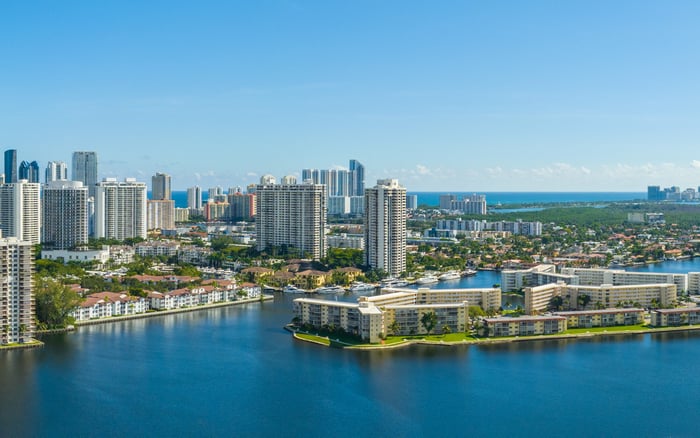
For serious Hallandale Beach buyers, the most consequential features of a condominium may be found in its records. Budgets, reserve studies, financial statements, board minutes, inspection materials, and assessment notices can clarify the obligations behind the advertised monthly dues.

In Hallandale Beach, polished stone, custom millwork, and an unobstructed Atlantic horizon can shape the first impression. Yet the more durable measure of a condominium purchase often lies beyond the residence itself: in the association’s budget, reserve position, meeting minutes, inspection materials, contracts, and assessment history.
For a serious buyer, these documents are not administrative clutter. They reveal how the building is governed, what it expects to spend, how it plans to fund structural work, and which costs may ultimately reach unit owners. A pristine interior can be renovated. An association’s financial obligations, by contrast, attach to ownership and can reshape carrying costs long after closing.
This distinction is especially relevant to Waterfront and Resale decisions across the Hallandale market. Whether considering 2000 Ocean Hallandale Beach or evaluating an established condominium nearby, buyers should assess both the residence and the institution responsible for the property around it.
An adopted annual budget shows projected income and expenses. It does not, by itself, establish that the association has sufficient cash or reserves to meet every anticipated obligation. Monthly dues may appear competitive while revealing only part of the financial picture.
Compare the budget with current financial statements, actual income and expenses, reserve balances, delinquency information available in the records, and the timing of planned capital work. Material variances warrant explanation. So do major projects that appear in engineering or inspection materials without visibly corresponding accumulated funds.
For qualifying buildings, Florida law connects reserve budgeting with structural integrity reserve study requirements, subject to statutory conditions and exceptions. A reserve study estimates the funding needs of covered structural components. The budget and financial statements show what the association plans to contribute and what it currently holds. These documents should be read together, not in isolation.
The same discipline applies when comparing a Hallandale Beach purchase with newer lifestyle propositions such as Shell Bay by Auberge Hallandale. Design, service, and setting matter, but the ownership structure and financial framework remain essential components of value.
Florida condominium official records include minutes of association, board, and unit-owner meetings, generally retained for at least seven years. They also include financial reports, certain income and expense statements, and board-meeting notices and agendas.
Minutes can provide context that a spreadsheet cannot. Discussions may involve repairs, insurance, litigation, financing, contracts, capital projects, or possible assessments. An issue recurring across several meetings can be more revealing than a single line in the annual budget. Follow the sequence: when was the concern introduced, which alternatives were considered, was a contract discussed, and did the board vote?
Recent agendas matter as well. They may signal an approaching decision not yet reflected in approved minutes. A buyer using an appropriate condominium contract rider may request board and membership meeting agendas and minutes from the 12 months preceding the contract’s effective date. Counsel should confirm the request language, response deadlines, and the buyer’s contractual rights.
A special assessment is an association assessment outside the annually adopted budget. Funds collected through one may be used only for the specific purpose or purposes stated for that assessment. Buyers should therefore obtain the notice, resolution, payment schedule, stated use, and any related contract or project materials.
The central question is not simply whether an assessment exists. Determine whether it has been approved or merely discussed, whether it has already been paid, whether it is included in the purchase price, and whether it will be paid by the seller or transfer to the buyer at closing. The purchase agreement should allocate responsibility clearly.
Under 2025 reforms, associations of three or more habitable stories that must obtain a structural integrity reserve study may use loans, lines of credit, and special assessments as reserve-funding sources. Each approach can affect owners differently. Financing may spread costs over time, while an assessment can create a more immediate obligation. A buyer’s attorney and financial adviser should review the current rules, the building’s specific position, and any applicable exceptions.
This financial scrutiny should remain consistent across Broward, whether a search extends toward Four Seasons Hotel & Private Residences Fort Lauderdale or south toward Armani Casa Sunny Isles Beach. A recognizable address does not replace document-level diligence.
Condominium dues and association assessments are not the only parcel-level costs to examine. Hallandale Beach buyers should also investigate government assessments affecting the property.
In Three Islands, for example, the total assessment is $865.05 per parcel, collected through five annual installments of $194.31, including 4% annual interest and collection costs. The related project was estimated at $5.43 million, with approximately $1.93 million in city contributions and about $3.5 million funded through assessments. Affected tax parcels sit within the Three Islands neighborhood, with collection through Florida’s uniform assessment method.
The lesson extends beyond the amount. Review the tax bill, parcel-specific assessment status, association ledger, closing statement, and municipal notices as distinct layers. Similar terminology can describe different obligations, creditors, payment schedules, and transfer consequences.
Begin with the latest adopted budget and recent financial statements. Add the current structural integrity reserve study or other reserve study, available inspection reports, recent board and membership minutes, agendas, insurance information, capital-work contracts, and every assessment notice.
Then cross-reference the documents. If minutes discuss concrete restoration, locate the inspection basis, contract, funding plan, and budget treatment. If the reserve study anticipates a need, identify the contribution schedule and current balance. If financing appears, examine the authorized amount, repayment structure, and effect on owners with qualified advisers.
This is the practical premise of rigorous buyer guidance: luxury diligence should be as exacting as luxury selection. For an Investment or personal residence, the objective is not to eliminate every future cost. It is to understand foreseeable obligations, governance choices, and contractual responsibility before they become part of ownership.
Why can condo documents matter more than interior finishes? Finishes can be altered, while association obligations and governance decisions can affect carrying costs and ownership risk.
Is the advertised monthly maintenance enough to judge affordability? No. Compare dues with the adopted budget, actual financial statements, reserve balances, and anticipated capital work.
What does a reserve study show? It estimates funding needs for covered structural components; it does not, by itself, show how much cash the association currently holds.
What should buyers look for in board minutes? Look for discussions of repairs, contracts, insurance, litigation, financing, capital projects, and possible assessments.
How many years of minutes must generally be retained? Florida condominium meeting minutes are generally retained as official records for at least seven years.
Can a buyer request recent agendas and minutes through the contract? An appropriate condominium rider may allow requests for board and membership agendas and minutes from the preceding 12 months.
What is a special assessment? It is an association assessment other than one required by the annually adopted budget.
Who pays an assessment after a sale? Responsibility depends on the assessment’s status and the contract terms, which should be confirmed before closing.
Should buyers check city assessments too? Yes. Government assessments can affect a parcel separately from condominium dues and association assessments.
Who should interpret changing reserve requirements? Qualified Florida legal and financial advisers should confirm the building’s current obligations, funding structure, and any exceptions.
If you'd like a private walkthrough and a curated shortlist, connect with MILLION.
If branded residences are on your mind — as a home or as an allocation — we would be glad to share what we are seeing, privately.
Begin a quiet conversation