For South Florida cash buyers, restaurant access is not simply a lifestyle preference. It can affect privacy, convenience, guest planning, and the practical value of a residence before a contract is signed.
Cash can make a South Florida acquisition feel clean, fast, and elegantly uncomplicated. Yet speed can compress the questions that shape daily life. For many luxury buyers, restaurant access belongs in that category. It is easy to admire a dining room from a sales presentation, hotel lobby, or waterfront walk and assume it will function as part of the residential experience. Before signing, that assumption deserves scrutiny.
Restaurant access for nonresidents is not a single concept. It may involve reservation priority, guest privileges, club rules, hotel policies, seasonal demand, valet flow, walkability, private dining availability, and whether a celebrated room is truly convenient on the nights when owners actually want to use it. For a cash buyer, the point is not to slow the deal unnecessarily. It is to clarify whether the lifestyle being purchased is fully usable.
The phrase sounds simple, but it should be unpacked with the same discipline applied to views, assessments, and parking. Is the restaurant open to the public, residents only, members only, hotel guests, invited guests, or some combination of those groups? If owners can use it, can their guests use it without them? Are there blackout periods, holiday rules, minimums, dress standards, reservation windows, or separate private-event policies?
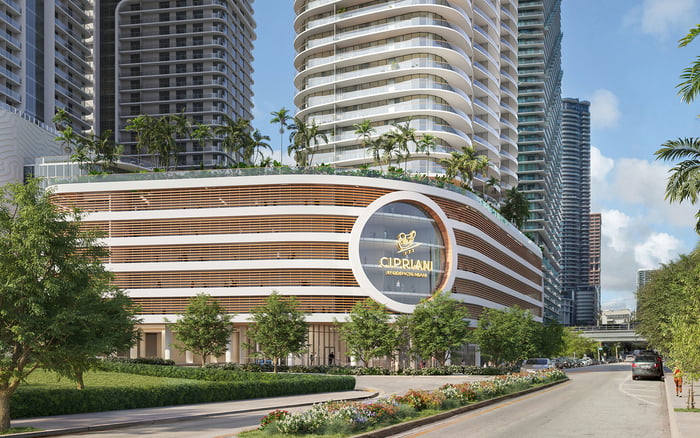
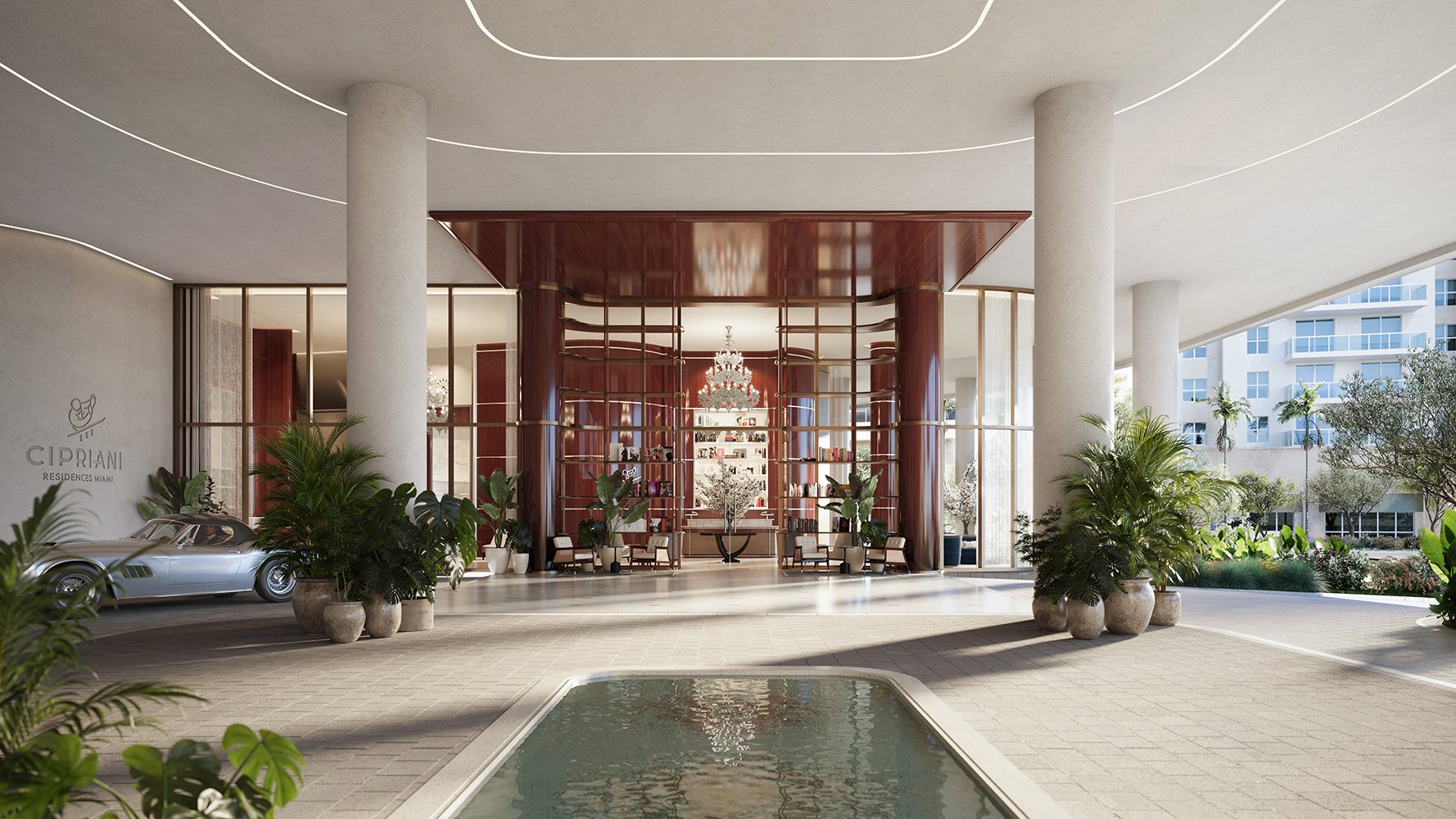
In branded and hospitality-influenced residences, dining can be part of the appeal, but the buyer should still separate ambiance from rights. A residence near Cipriani Residences Brickell, for example, may be evaluated differently by a buyer who entertains frequently than by one who wants quiet weeknights and occasional room-service-style convenience. The restaurant question is ultimately about control: how reliably can the owner convert proximity into access?
Brickell buyers often prize immediacy. The office, the water, the tower, the dinner table, and the after-dinner drink can all appear to belong to one seamless evening. Bars deserve the same review as formal restaurants because they influence noise, arrival patterns, and the way guests circulate around a building or district.
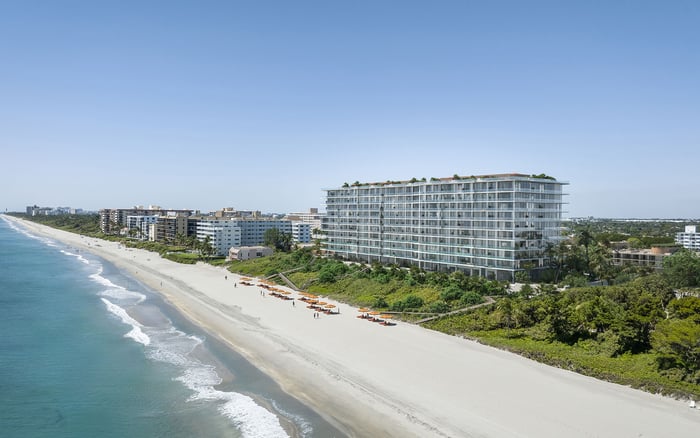
Miami Beach presents a different lens. A buyer considering The Perigon Miami Beach may be focused on sand, service, and a softer residential rhythm. Oceanfront living can feel private, but nearby restaurants may follow their own rules, especially during peak social periods. Oceanfront does not automatically mean effortless dining access, and a beautiful room across the street is not the same as a table that can be secured when family arrives.
In Coconut Grove, the appeal is often more village-like. Buyers drawn to Four Seasons Residences Coconut Grove may value shaded walks, quieter hospitality, and a less theatrical evening scene. In that context, restaurant access is less about status and more about routine. Can an owner host grandparents, children, business partners, and houseguests without turning every dinner into a logistical exercise?
Palm Beach and the northern luxury corridor add another layer. A buyer studying The Ritz-Carlton Residences® Palm Beach Gardens may be balancing residence, club life, golf, boating, and seasonal family use. The practical question is whether dining works for the household calendar, not only for a perfect brochure evening.
The most useful questions are direct. Ask who can make reservations, how far in advance they can be made, whether residents receive priority, and whether guests may dine without the owner present. Ask whether private dining rooms are available, whether catering is permitted in residences, and whether restaurant charges flow through a resident account or are handled separately.
Then ask the less glamorous questions. Where do nonresident guests park? How does valet operate on busy nights? Are deliveries, rideshare arrivals, and restaurant patrons separated from residential arrivals? Does the building anticipate added activity from a restaurant, lounge, or event space? Privacy is not only an architectural idea. It is also an operations issue.
For an investment purchase, restaurant access can influence how a future occupant perceives convenience and prestige. That does not mean every buyer needs the most visible dining scene. Some of the strongest residences are compelling precisely because they offer separation from crowds. The key is alignment between the buyer’s use case and the property’s real operating environment.
Cash buyers often have negotiating clarity. They can move decisively, remove financing uncertainty, and focus attention on the details that matter. Restaurant access should be one of those details, especially when a property’s appeal is tied to a hotel, club, marina, retail promenade, or highly social neighborhood.
The right approach is discreet and specific. Review governing documents where relevant. Ask clear operational questions. Visit at the hours you expect to use the restaurants. Observe the approach, the lobby, the elevator path, the valet queue, and the tone of the crowd. Luxury is not only what is available. It is what remains graceful under real conditions.
Should cash buyers ask about restaurant access before signing? Yes. All-cash speed should not replace lifestyle diligence, especially when dining is part of the property’s appeal.
Is being near a restaurant the same as having access to it? No. Proximity and access are different, and buyers should confirm reservation rules, guest policies, and operating expectations.
What should nonresidents verify first? They should verify whether the restaurant is public, resident-priority, member-based, hotel-oriented, or governed by another access structure.
Do guest privileges matter for second-home owners? Yes. Many second-home owners host family and friends, so guest access can shape the ease of each stay.
Can restaurant activity affect privacy? It can. Arrival patterns, valet flow, event traffic, and shared spaces may influence how private a residence feels.
Should buyers visit at night before signing? Ideally, yes. Evening visits reveal traffic, sound, lighting, and the real rhythm of dining activity.
Are bars different from restaurants in due diligence? They can be. Bars may create different patterns of noise, crowds, and late-night circulation.
Does restaurant access matter for investment buyers? Yes. Dining convenience can influence perceived lifestyle value for a future occupant or purchaser.
Should oceanfront buyers still ask these questions? Yes. Oceanfront beauty does not automatically guarantee convenient, reliable restaurant access.
What is the best way to shortlist comparable options for touring? Start with location fit, delivery status, and daily lifestyle priorities, then compare stacks and elevations to validate views and privacy.
When you're ready to tour or underwrite the options, connect with MILLION.
If branded residences are on your mind — as a home or as an allocation — we would be glad to share what we are seeing, privately.
Begin a quiet conversation