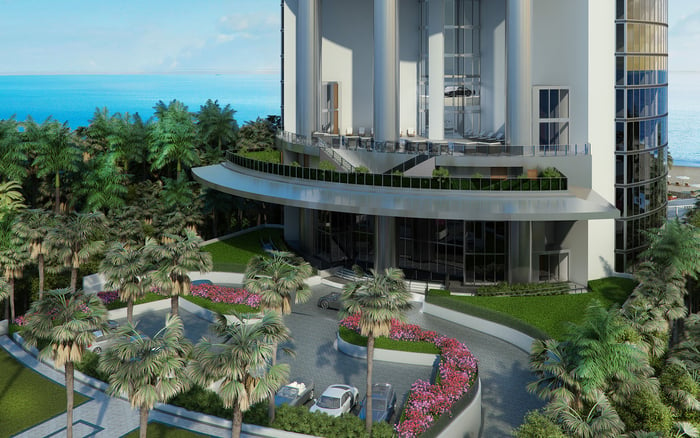
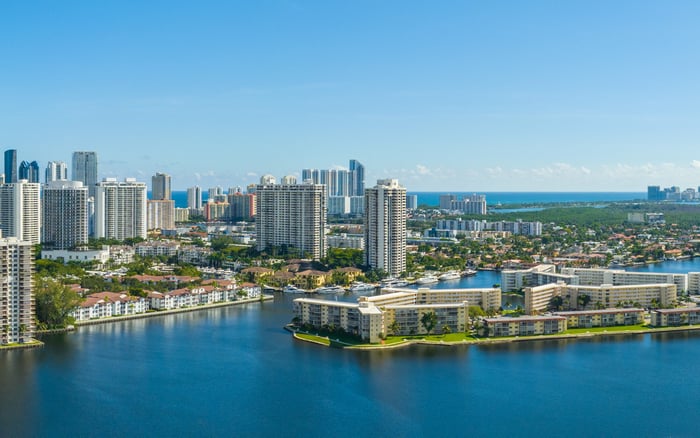
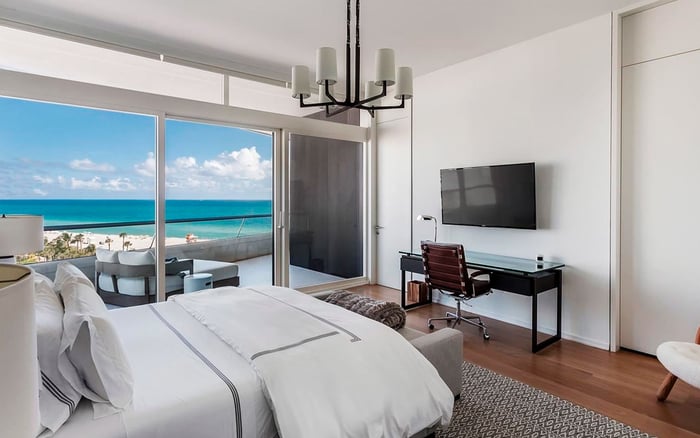
Aventura can be a compelling base for philanthropic couples when a residence supports privacy, hosting, staff coordination, guest arrivals, wellness, and calm daily routines.
For philanthropic couples, the right South Florida residence is not simply a matter of beauty. It is a matter of orchestration. A home may have the view, the terrace, the dining room, and the name, yet still fall short if the building cannot support the rhythms of a generous life. Aventura can work beautifully for couples whose calendars move between board service, donor meetings, private dinners, cultural evenings, family time, and recovery days-but only when the operations behind the building are strong enough to disappear.
That is the central distinction. Philanthropic households often need more than a polished lobby. They need predictable arrivals, discreet staffing, guest handling that feels gracious rather than procedural, and a management culture that understands privacy. The residence becomes a platform for civic life, not a stage set. It must feel calm on ordinary mornings and capable on important evenings.
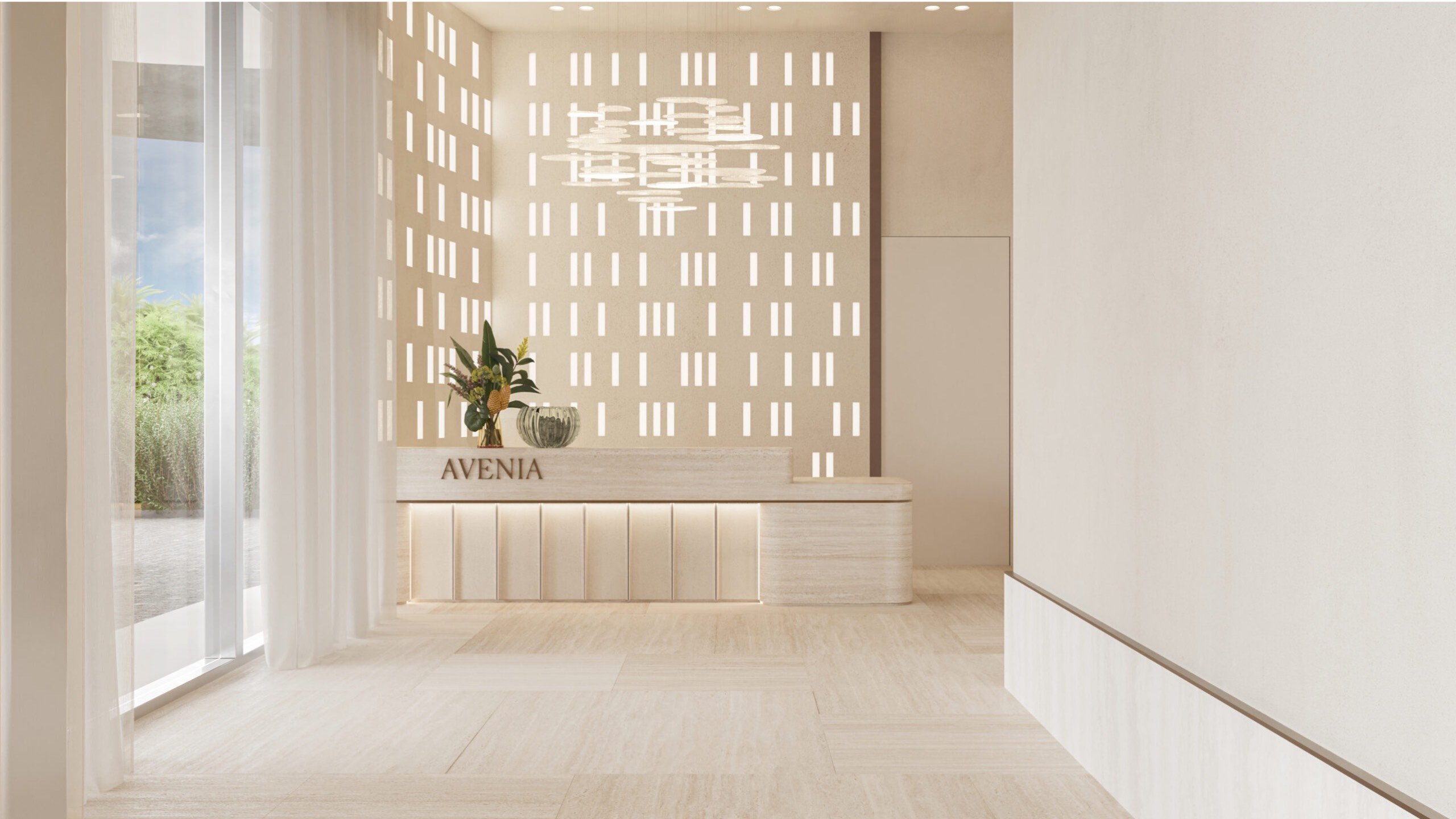
In Aventura, that makes building selection more nuanced. A buyer should be less impressed by the loudest amenity deck and more interested in how the property performs at 7 a.m., during a dinner arrival window, after a late flight, or when out-of-town family arrives at the same time as a foundation adviser. A residence such as Avenia Aventura belongs in the conversation not only as a local option, but as a reminder that the building itself has to be evaluated as a living operating system.
Many luxury buyers want comfort, security, and a beautiful place to gather. Philanthropic couples often require those same elements with a higher degree of coordination. Their home may support small cultivation dinners, private strategy sessions, visiting speakers, family trustees, visiting artists, or long weekends that blend friendship and fundraising. Even when the charitable work happens elsewhere, the residence quietly carries the relationship work around it.
That means the floor plan matters, but so does the route from curb to elevator. The staff entrance matters. The guest protocol matters. The valet tone matters. The way deliveries are handled matters. The ability to move flowers, catering, wardrobe, files, and family luggage without turning the building into a visible production matters. A philanthropic couple may not host large events at home, but they often live with a higher frequency of purposeful visitors.
This is where Aventura can be appealing for couples who prefer residential composure over constant spectacle. The city can suit buyers who want the benefits of South Florida living while keeping the home environment controlled, elegant, and usable. The right building can create a private base that supports giving without making generosity feel performative.
Privacy is often described as a design attribute: setbacks, elevators, glazing, terraces, and sightlines. For philanthropic couples, privacy is also a staffing discipline. It is how names are handled at the desk, how vendors are cleared, how drivers are staged, how guest lists are treated, and whether building personnel know when to be warm and when to be invisible.
A strong building culture protects residents from friction. It keeps arrivals smooth, prevents unnecessary exposure, and reduces the number of explanations a household must give. This is especially important for couples whose public lives may include donor recognition, nonprofit leadership, civic visibility, or social commitments. Their home should not amplify that visibility. It should soften it.
When touring, buyers should ask practical questions in a quiet way. How are recurring guests registered? Can household staff coordinate with management without repeated approvals? What is the protocol for after-hours arrivals? How does the building handle simultaneous deliveries? The answers reveal more than a brochure can.
The most valuable lifestyle amenity for a philanthropic couple may be time. A building that reduces daily interruptions creates more room for the work that matters: calls with grantees, preparation for a board meeting, family dinners, fitness, reading, and rest. Amenity richness is useful only when it is backed by dependable service.
This is why couples should test the property’s rhythm. Is the lobby serene or theatrical? Does the amenity programming enhance the week, or does it compete with the household’s own calendar? Are common spaces refined enough for informal meetings, yet private enough to feel appropriate? Can a couple host a visiting family member without reorganizing the residence around logistics?
Nearby luxury markets offer useful comparisons. A couple considering Aventura may also look toward Bentley Residences Sunny Isles if their priorities lean more strongly toward a coastal tower lifestyle. Others may study Shell Bay by Auberge Hallandale when Hallandale Beach enters the lifestyle equation. The point is not to chase a logo. It is to compare how each setting supports the real cadence of the household.
Waterfront living has obvious emotional appeal, particularly for couples who spend much of their public life in motion. Water, light, and horizon can reset the day. But waterfront ownership should still be judged through the lens of operations. A beautiful outlook does not compensate for a building that cannot manage access, service, parking, maintenance communication, or guest flow with confidence.
The strongest residences allow owners to move between public purpose and private restoration without a hard edge. A donor dinner should not leave the household exhausted by logistics. A quiet weekend should not be interrupted by preventable management issues. A guest suite should feel like hospitality, not improvisation.
In this sense, Aventura’s potential is not merely about location. It is about whether a particular building lets a couple live generously and privately at the same time. The right residence should make it easy to say yes to a meaningful dinner, yes to a visiting trustee, yes to grandchildren for the weekend, and yes to a morning with no agenda at all.
The most important due diligence is experiential. Visit at different times. Watch how residents are greeted. Notice whether staff members appear rushed or composed. Ask how management communicates planned work. Understand the rules for private gatherings, catering, deliveries, move-ins, service providers, and extended guests. Review whether the building culture feels flexible enough for a sophisticated household while still protecting the quiet of other residents.
Philanthropic couples should also consider the governance personality of the building. Some associations are formal and restrictive. Others are polished but pragmatic. Neither is inherently better, but the fit matters. A couple with a highly active household will want clarity before closing, not negotiation after move-in.
Finally, consider emotional bandwidth. The best building is one that gives time back. If every request requires escalation, the residence is not truly luxurious. If the staff anticipates patterns, if the common areas feel calm, if the rules are clear, and if privacy is treated as a shared value, Aventura can become a graceful base for civic life and personal retreat.
Why can Aventura work for philanthropic couples? It can work when the building supports privacy, guest flow, staff coordination, and a calm daily rhythm.
What matters more, amenities or operations? Amenities matter, but operations determine whether the residence feels effortless during a busy week.
Should philanthropic couples prioritize private elevators? Private arrival can be valuable, but staffing protocols and guest handling are just as important.
Can a condo support small donor dinners? It may, depending on house rules, catering policies, parking, security, and the discretion of management.
How should buyers evaluate building staff? Visit more than once and observe tone, consistency, composure, and how routine requests are handled.
Is Aventura only for full-time residents? No. It can also suit seasonal or hybrid households if building communication and access are reliable.
What should family offices ask before a purchase? They should review guest protocols, vendor access, insurance requirements, service rules, and governance culture.
Do branded residences automatically solve operations? Not automatically. Brand identity helps only when daily management delivers the expected standard.
Why compare Aventura with Sunny Isles Beach or Hallandale Beach? Comparing nearby lifestyles helps clarify whether the buyer values serenity, coastal energy, or specific services.
What is the best sign of a well-run building? The best sign is quiet consistency: requests are handled smoothly before they become visible problems.
For a confidential assessment and a building-by-building shortlist, connect with MILLION.
If branded residences are on your mind — as a home or as an allocation — we would be glad to share what we are seeing, privately.
Begin a quiet conversation