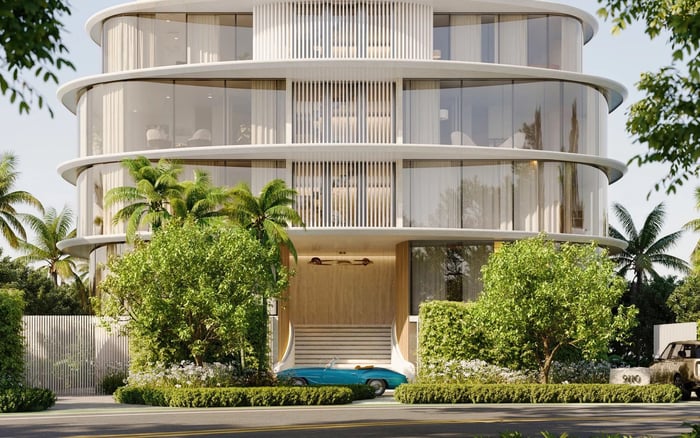
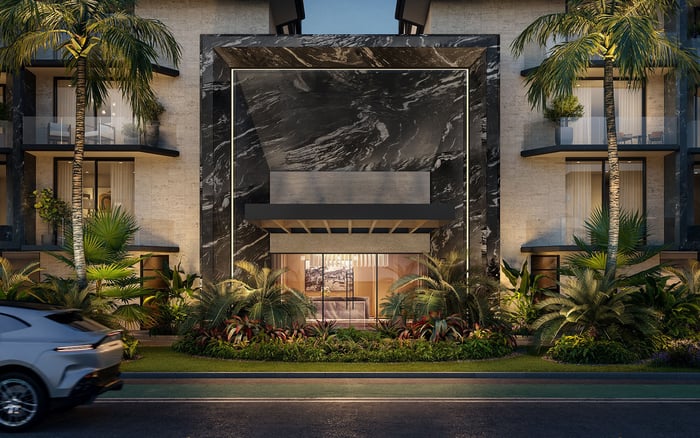
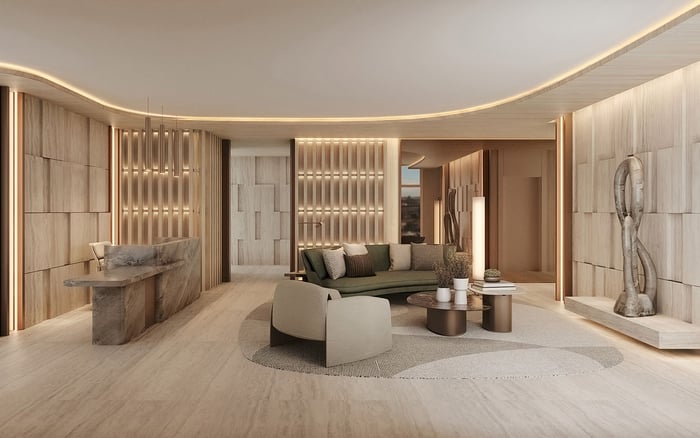
For collectors considering Bay Harbor Islands, the most consequential residential details may be the least decorative. This buyer-focused guide examines storage, lighting, climate planning, circulation, and the questions that should come before a discussion of finishes.
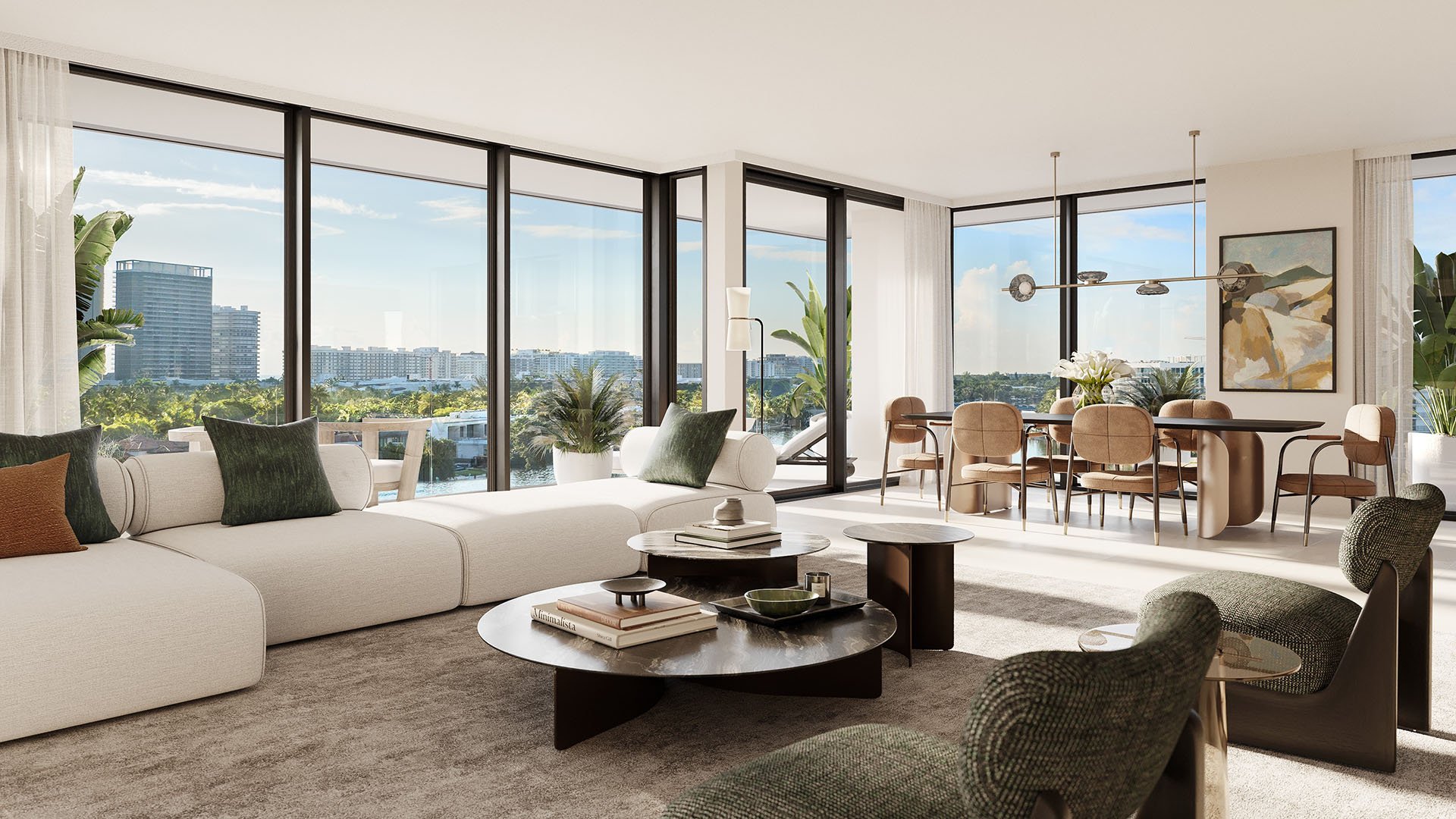
For a serious collector, a residence is more than a composition of stone, millwork, and fixtures. It is a working environment for objects of financial, cultural, or deeply personal value. That distinction reshapes the order of due diligence.
Finishes remain important, but they are visible and comparatively easy to assess. More consequential questions often lie behind walls, above ceilings, within mechanical plans, and along the route from the loading point to the final display position. A sophisticated buyer therefore evaluates a home not only as a place to live, but as a setting in which a collection must be received, stored, illuminated, moved, and enjoyed.
This is especially relevant when comparing boutique and new-construction opportunities. Even a pristine interior may require substantial adaptation if the art program was treated as decoration rather than infrastructure.
The strongest brief begins with an inventory of needs. Buyers should consider the dimensions, weight, material, framing, glazing, and intended placement of important works. The objective is not to disclose sensitive collection details broadly, but to give the appropriate advisers enough information to identify spatial and technical constraints.
A wall that appears ideal in a rendering may be interrupted by controls, return grilles, doors, or reflected light. A sculpture may require more clearance than its footprint suggests. A large work may fit beautifully once installed yet prove difficult to move through the building. These are planning questions, not aesthetic objections.
When surveying Bay Harbor Islands options such as Alana Bay Harbor Islands and Onda Bay Harbor, collectors can apply the same disciplined matrix to every residence. The result is a more meaningful comparison than one based on finish palettes alone.
Art storage should never be treated as leftover closet capacity. Buyers should ask whether a dedicated area can accommodate the collection’s actual formats, appropriate racking or shelving, safe handling space, and controlled access. The room’s usefulness depends as much on its proportions as on its area.
Location matters, too. Storage near plumbing, household chemicals, routine service traffic, or frequently opened exterior doors may warrant closer specialist review. The enclosure, door, seals, lighting, monitoring, and mechanical relationship should be considered as one system.
Security deserves equal discretion. The goal is not theatrical fortification, but a clear access protocol that works for the owner, household team, art handlers, and conservators. For a second-home buyer, remote oversight and a documented response plan may be as important as the physical room itself.
A successful lighting scheme must serve two experiences at once: presenting art with control while allowing the residence to feel comfortable after sunset. That calls for a layered discussion of ambient light, accent light, decorative fixtures, controls, aiming flexibility, and the future rearrangement of works.
Buyers should examine where fixtures can be positioned, whether they can be adjusted without damaging finished ceilings, and how lighting scenes respond to entertaining, quiet evenings, and vacant periods. Flexibility is central. Collections evolve, loans rotate, and furniture plans change.
Natural light demands the same care. Rather than assuming every bright wall is a display wall, map direct light, reflected light, glazing, window treatments, and seasonal use with a qualified art professional. In design and architecture discussions, this analysis should occur before decorative lighting and ceiling details are fixed.
Climate control for art cannot be reduced to the temperature shown on a thermostat. A collector should ask an appropriate specialist to review stability, zoning, filtration, monitoring, air distribution, equipment access, and what happens during an interruption. Different works may require different guidance, making broad assumptions insufficient.
The practical question is whether the residence can support the collection’s needs without compromising comfort or requiring intrusive retrofits. Mechanical planning should also account for storage rooms, display zones, periods of low occupancy, and how household staff will receive alerts or document conditions.
A waterfront residence can be visually compelling, but the art review should remain technical and collection-specific. When comparing La Maré Bay Harbor Islands with The Well Bay Harbor Islands, buyers can pose identical questions and request written clarification before determining what further professional review is needed.
The most revealing art assessment may begin outside the residence. Trace the route from arrival through every threshold, turn, elevator, corridor, and doorway. Measure rather than infer. Confirm not only that a work fits, but that handlers can move it safely without unacceptable tilting, crowding, or contact with finished surfaces.
Inside the home, consider installation access, wall construction, backing, ceiling support, floor loading for substantial pieces, and the ability to isolate a work area from everyday circulation. The relevant licensed or qualified professionals should review these matters before purchase or modification.
A Bay Harbor Islands search becomes more rigorous when this route is tested early. It also helps buyers distinguish a manageable adaptation from a fundamental mismatch.
Before making a final commitment, create a concise art appendix to the broader property review. It can address priority works, proposed locations, storage, lighting, environmental oversight, security, installation access, and any specialist approvals. Assign each open issue to the architect, engineer, lighting designer, conservator, art adviser, insurer, contractor, or building representative best placed to resolve it.
The aim is not to overcomplicate the purchase, but to prevent decorative enthusiasm from obscuring operational realities. The sequence should be disciplined: define the collection’s requirements, test the residence against them, price the necessary adaptations, and only then refine the finishes.
For collectors, true residential quality is measured by what a home quietly enables. The most successful interiors do not merely display art. They make stewardship feel effortless.
Should art considerations come before selecting finishes? Yes. Establishing storage, display, movement, and technical requirements early can reduce conflicts with later decorative decisions.
Is a large closet sufficient for art storage? Not necessarily. Suitability depends on the works, room proportions, access, enclosure, systems, and specialist guidance.
Who should review a residence for an important collection? The team may include an art adviser, conservator, architect, engineer, lighting designer, insurer, and qualified art handler.
What should buyers examine in an art-lighting plan? Review fixture placement, adjustability, controls, natural light, window treatments, ceiling conditions, and future flexibility.
Can lighting be addressed after closing? It can, but late changes may affect ceilings, wiring, controls, millwork, and the overall design budget.
What belongs in a climate-control review? Ask specialists to assess stability, zoning, filtration, monitoring, air distribution, equipment access, and interruption planning.
Why measure the art-delivery route? Dimensions alone do not show whether handlers can safely negotiate turns, thresholds, elevators, corridors, and doors.
Should buyers identify display walls before purchase? Yes. Early mapping can reveal conflicts involving openings, controls, grilles, circulation, light, or installation access.
How should a second-home owner oversee stored art? Establish discreet access rules, monitoring responsibilities, documented checks, and a clear escalation plan with advisers.
Do premium finishes compensate for weak art infrastructure? No. Beautiful materials cannot resolve fundamental limitations in storage, movement, lighting, support, or environmental planning.
For a confidential assessment and a building-by-building shortlist, connect with MILLION.
If branded residences are on your mind — as a home or as an allocation — we would be glad to share what we are seeing, privately.
Begin a quiet conversation