A discerning Coconut Grove purchase requires more than an appealing terrace. Examine balcony waterproofing, rain-related investigations, inspection findings, reserve funding, and building-specific access schedules to understand the obligations behind ownership.
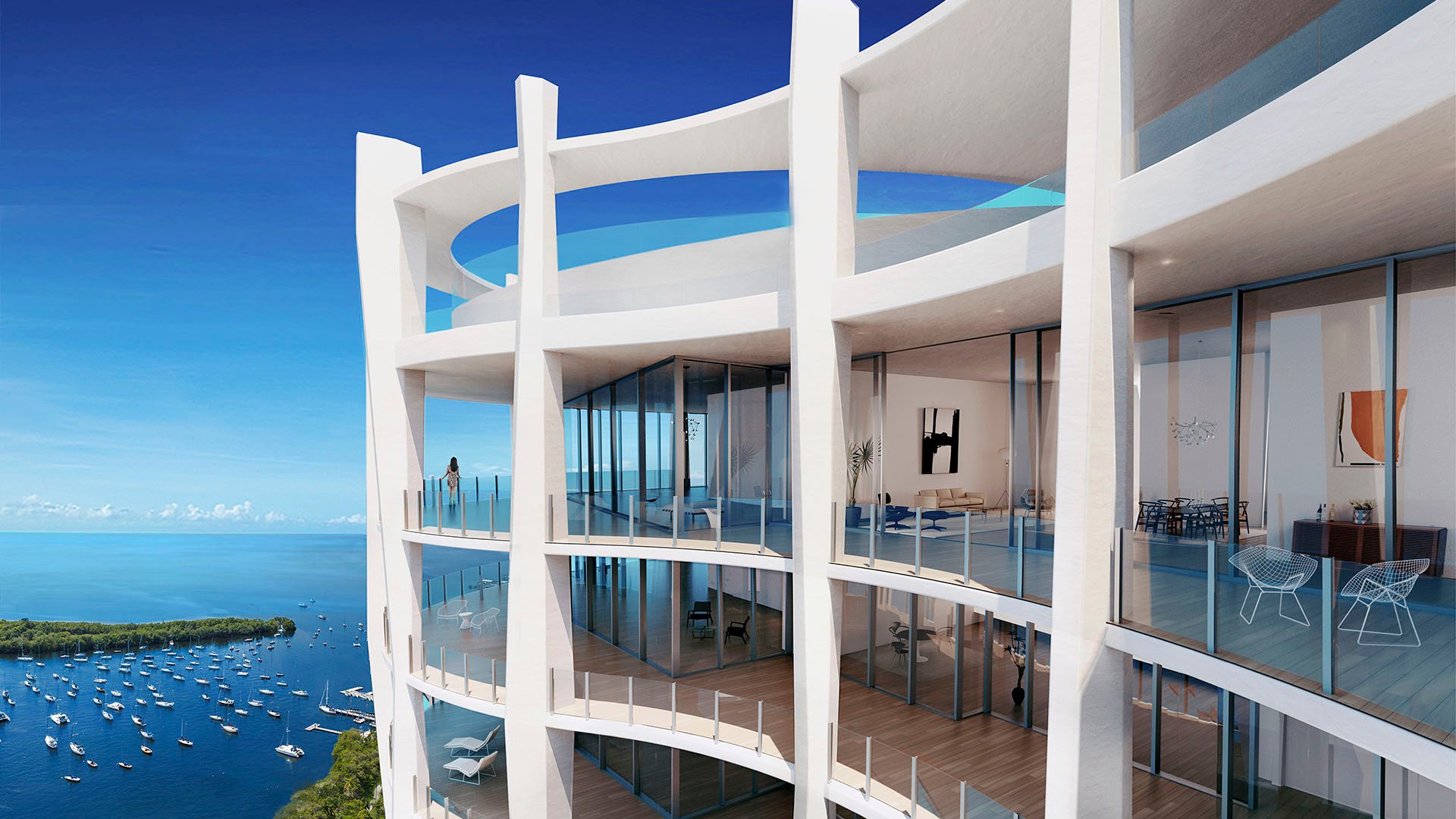
In Coconut Grove, a balcony can shape the entire experience of a residence. But the ownership decision should extend beyond its proportions and outlook to less visible questions: what has been inspected, what requires repair, how the work will be funded, and when access may interrupt private life.
The distinction is between a beautiful exterior and a documented maintenance position. A polished presentation does not establish whether waterproofing has been evaluated, rain-related concerns remain unresolved, or an association has coordinated its next exterior-work program. For buyers considering Park Grove Coconut Grove, these are due-diligence questions, not assertions about the property's condition.
The most revealing ownership-cost review connects three things: physical findings, a funding plan, and an execution calendar. None substitutes for the others.
Exterior review extends beyond the structural frame. Miami-Dade recertification encompasses balconies, railings, windows, cladding, and other exterior appurtenances that could become detached. Conditions to be documented include settlement, splitting, bulging, cracking, and loosening.
That scope makes a balcony more than an amenity in the purchase conversation. Ask which parts have been examined, which findings remain open, and whether proposed work concerns structural elements, waterproofing, finishes, or several components together. Those categories are not interchangeable.
For waterproofing, request the available scope of work, maintenance history, completion documentation, and any applicable warranty terms. Ask who is responsible for each component under the condominium documents. These are requests for verification-not assumptions that a particular building has a defect or that an owner bears a particular expense.
Ask, too, whether the proposed work addresses the professional's identified concern or merely restores appearance. Have the qualified professional explain the distinction before assigning financial significance to it.
Wind-driven rain warrants a focused conversation, not a diagnosis based on a showing. Ask a building-envelope professional whether documented water intrusion has been investigated, which areas were examined, and whether the cause was established. Seek clarification on recommended testing or follow-up.
If a seller describes an issue as resolved, ask what supports that statement. Was there a defined repair scope? Is completion documented? Has the recommended follow-up occurred? These questions distinguish a reassuring explanation from a closed-out technical matter.
The same discipline applies when considering Mr. C Tigertail Coconut Grove: the project name alone cannot establish the condition of an individual residence or its exterior systems. Review the documents relevant to the actual purchase.
Avoid attaching a generic waterproofing allowance to the purchase price. A meaningful estimate requires a building-specific scope, an allocation of responsibility, and a professional assessment-not a neighborhood-wide assumption.
These processes answer different questions. Local recertification addresses building conditions within its scope. A milestone inspection examines structural conditions. A Structural Integrity Reserve Study, or SIRS, identifies future maintenance and repair needs and a funding plan. A completed study does not establish that recommended repairs are complete.
Under Florida's 2025 statutory framework, residential condominium buildings three habitable stories or higher generally require a milestone inspection by December 31 of their 30th year, then every 10 years. The certificate-of-occupancy date establishes the starting point for building age.
The first phase is a visual examination by a Florida-licensed architect or engineer, covering habitable and nonhabitable areas and major structural components. Signs of substantial structural deterioration can trigger a second phase involving more detailed examination or testing.
Obtain the full milestone-inspection report, not simply a board summary or the phrase “the building passed.” Have the findings, recommendations, and outstanding actions explained in the context of your purchase. Because these provisions reflect the 2025 statutes, confirm the requirements and exceptions applicable at the time of your transaction.
Under the 2025 framework, residential condominium associations generally must complete a SIRS at least every 10 years for each building three habitable stories or higher. Its specified components include roofing and plumbing; buyers should verify how the actual study accounts for balconies, waterproofing, and façade repair scopes.
Read the latest SIRS alongside the reserve schedule. Ask where identified work appears in the funding plan, whether the scope has changed, and how the association intends to fund any difference. If an assessment is discussed, request the documentation rather than relying on an informal estimate.
Qualifying owner-controlled associations existing before July 1, 2022, generally faced a December 31, 2025, initial SIRS deadline, subject to exceptions and timing provisions. The 2025 law also provides a limited timing accommodation in qualifying circumstances when inspection-recommended repairs require the association's financial resources. An accommodation is not evidence that repairs are finished.
For a purchase at Four Seasons Residences Coconut Grove, first establish which documents and obligations apply to the transaction. Do not presume a particular inspection or reserve status.
Some structural elements may require access through individual units. Owner-entry coordination therefore belongs in the due-diligence conversation alongside the repair budget.
Request the building-specific calendar. Ask whether access is needed through your residence, whether balconies will close, how much notice owners receive, and what staging arrangements are contemplated. Clarify who coordinates appointments and how schedule changes will be communicated.
No Grove-wide façade-access timetable can substitute for those answers. County inspection hours are 8 a.m. to 3:30 p.m., Monday through Friday, but those hours are not a universal schedule for private engineers or façade contractors.
For a second-home buyer considering Vita at Grove Isle, ask how required entry would be coordinated during an absence. Keep contractor pricing, access arrangements, and anticipated closures separate until the association supplies the relevant details.
Build the purchase file around the full inspection findings, latest SIRS, reserve schedule, available repair scopes, completion records, and access notices. Ask management to distinguish work that is recommended, approved, funded, scheduled, and completed.
Under the 2025 condominium-sale provisions, contracts may require conspicuous disclosure when a required milestone inspection, turnover inspection report, or SIRS has not been completed. Have transaction counsel review the applicable disclosures and obligations.
The objective is not to reject a residence because it requires maintenance. It is to understand the financial commitment and practical interruption before closing, with unresolved questions clearly identified rather than folded into an optimistic narrative.
For a considered approach to Coconut Grove ownership, explore MILLION.
If branded residences are on your mind — as a home or as an allocation — we would be glad to share what we are seeing, privately.
Begin a quiet conversationYes. Its scope includes balconies, railings, windows, cladding, and other exterior appurtenances that could become detached.
Request available inspection findings, repair scopes, maintenance history, completion documentation, and applicable warranty terms. Verify responsibility for each component under the condominium documents.
Ask a building-envelope professional whether documented intrusion has been investigated and whether its cause has been established. Seek clarification on recommended testing, repairs, and follow-up.
Under Florida's 2025 framework, residential condominium buildings three habitable stories or higher generally require an inspection by December 31 of their 30th year and every 10 years thereafter. Confirm applicable requirements and exceptions for the transaction.
The certificate-of-occupancy date is the starting point for determining building age under the milestone-inspection framework.
Signs of substantial structural deterioration can trigger a second phase involving more detailed examination or testing.
No. A SIRS identifies future maintenance and repair needs and a funding plan; completion of the study does not establish completion of recommended repairs.
Read the latest SIRS and reserve schedule together. Ask how anticipated balcony, waterproofing, and façade work is reflected in the funding plan.
Yes, some structural elements may require access through individual units. Verify entry requirements, notice procedures, balcony closures, and the building-specific schedule.
No. The listed county inspection hours of 8 a.m. to 3:30 p.m., Monday through Friday, are not a universal schedule for private engineers or façade contractors.