
A buyer-focused look at how three Brickell residences occupy different positions in a refined South Florida second-home strategy.
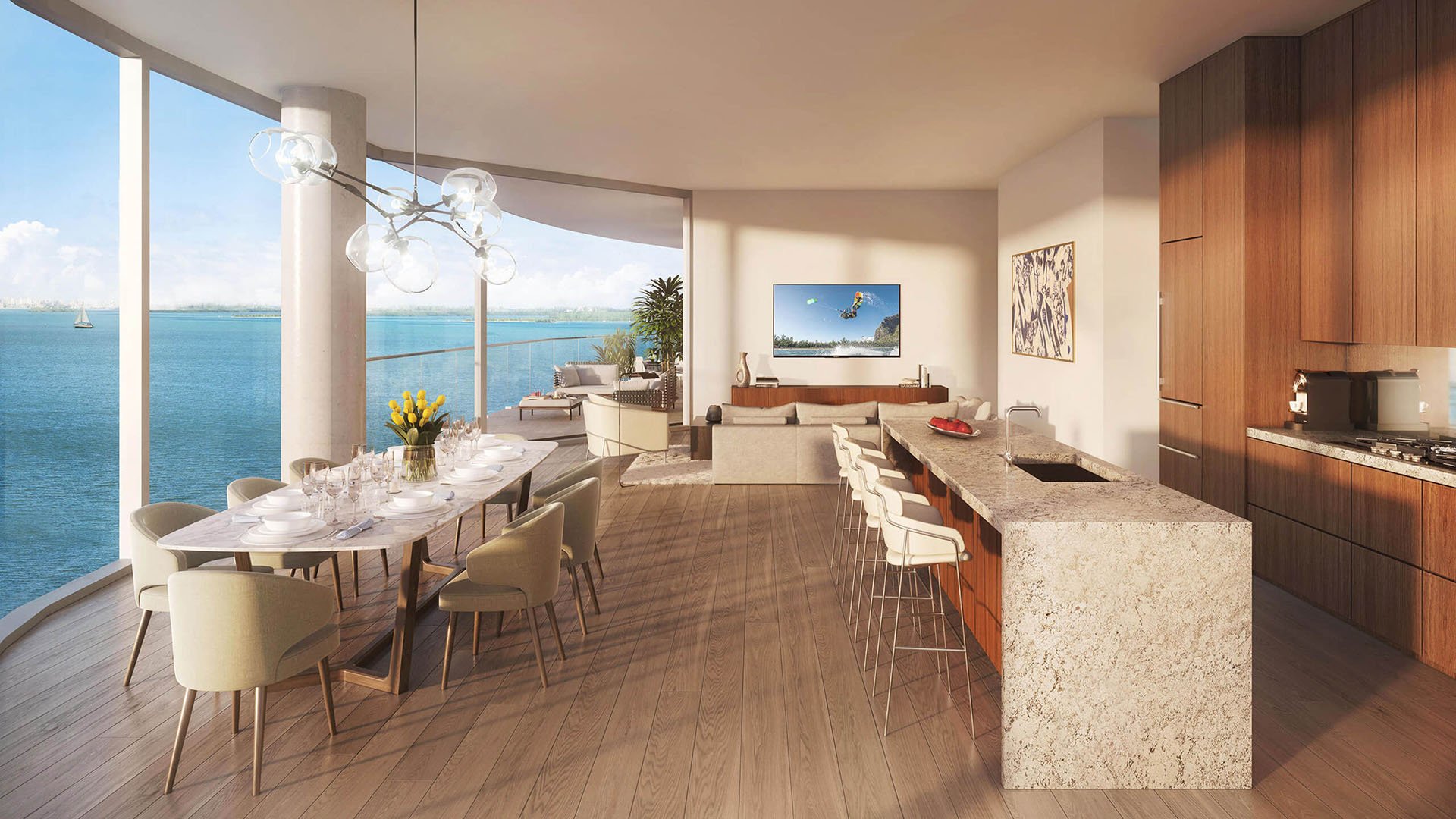
For the global buyer considering Miami as a part-time base, Brickell is less a single neighborhood decision than a set of ownership personalities. The question is not simply whether to buy in Brickell, but what kind of Brickell life the residence is meant to support: a discreet urban pied-à-terre, a bayfront seasonal retreat, or a branded, design-led home that folds hospitality into daily use.
That is where 619 Residences by Foster + Partners + Nobu Hospitality, Colette Residences Brickell, and Una Residences Brickell become useful reference points. They are not interchangeable answers. Each occupies a distinct place in the second-home conversation, speaking to a specific owner profile, cadence of use, and appetite for privacy, service, and setting.
For a South Florida luxury buyer, the strategic move is to define the residence’s role before comparing floor plans or finishes. Is Miami a long-weekend city base, a seasonal family harbor, or a hospitality-supported extension of a broader portfolio? In Brickell, that distinction matters.
Colette Residences Brickell fits the buyer who wants Miami close at hand without turning the second home into a full-scale resort compound. Its positioning is more intimate, more boutique, and more city-centered within the comparison set. That makes it especially relevant for owners arriving for select weeks, business-linked stays, cultural weekends, or winter intervals when convenience carries more value than expansiveness.
The appeal is not location in the abstract. Colette’s Brickell setting supports a buyer who wants proximity to Miami’s business, dining, and lifestyle core during seasonal use. For this owner, the second home is less about replicating an estate and more about creating a polished urban base that can be entered, enjoyed, secured, and left again with minimal friction.
This is where the lock-and-leave condominium format becomes meaningful. A privacy-forward, high-service city residence allows the owner to preserve discretion while remaining near the center of the action. It is a practical luxury: arrive late, host selectively, move through Brickell with ease, and avoid the operational burdens that can accompany larger waterfront properties.
Colette’s place in the strategy is therefore clear. It is the Brickell answer for the owner who values access over sprawl, discretion over spectacle, and a refined urban rhythm over resort-style programming.
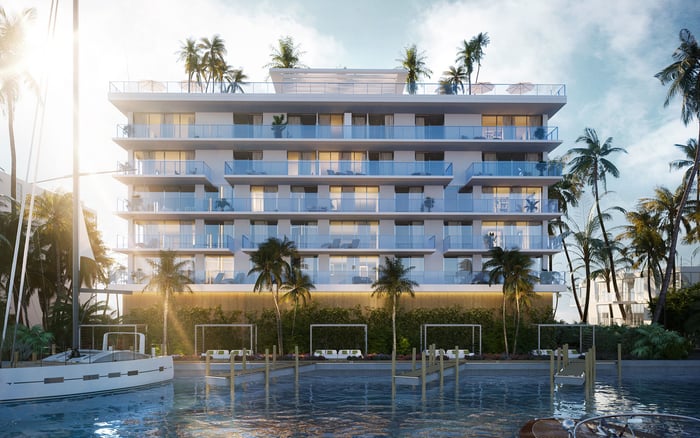
If Colette represents the city pied-à-terre, Una Residences Brickell is the waterfront counterpart. Its Brickell bayfront identity changes how a second-home buyer should evaluate it. This is not simply a place to drop a suitcase between meetings. It is better understood as a residence for longer seasonal stays, bayfront recreation, and a more residential waterfront atmosphere.
Within a second-home portfolio, Una suits the buyer whose Miami use case includes family time, extended winter occupancy, or a softer daily pace. The waterfront component gives the ownership experience a different emotional register. It invites mornings oriented toward the bay, afternoons that feel less compressed, and a sense of retreat while remaining in Brickell.
That difference is strategic. Some buyers want the city as an amenity. Others want the water as the anchor and the city as the backdrop. Una speaks more naturally to the latter. Its waterfront tower archetype gives it relevance for owners who want the condominium conveniences of Brickell without a Miami residence that feels purely urban.
In this sense, waterfront is not a decorative label. It is the organizing principle for how the home is used, how long the owner may stay, and how comfortably the residence can support family-oriented visits rather than only short urban intervals.
619 Residences by Foster + Partners + Nobu Hospitality belongs in the conversation for a different reason: it introduces the design and hospitality lens. The project’s framing brings architecture and hospitality branding together, making it relevant to buyers who evaluate a second home not only as a private residence, but as a curated living environment.
For the second-home buyer, branded residences can offer a particular kind of confidence. The appeal is not just recognition, but the expectation of a coherent experience across design, service culture, and daily arrival. Buyers considering this category tend to be sensitive to how a property feels when used intermittently. They want the residence to perform even after they have been away.
In a strategic comparison, 619 should be evaluated as the option for an owner drawn to the intersection of architecture, hospitality, and Brickell access. It may resonate with those who want a Miami base that feels less like a conventional condominium and more like a designed world with a hospitality sensibility. As with any new-development decision, buyers should examine current offering details, services, rental parameters, and delivery status before treating any branded promise as equivalent to lived ownership.
Its role is therefore not identical to Colette’s urban discretion or Una’s bayfront retreat. It adds the question of atmosphere: how much does a buyer want the residence itself to carry the identity of a hospitality and design collaboration?
The strongest second-home decisions begin with cadence. A buyer who expects to visit Miami frequently but briefly may place the highest value on convenience, privacy, and minimal maintenance. That profile aligns naturally with Colette’s urban, lock-and-leave positioning.
A buyer planning longer seasonal stays may think differently. If children, guests, or extended family are part of the usage pattern, the home must support unhurried days and a sense of destination. Una Residences Brickell is better aligned with that waterfront, family-oriented rhythm.
A third buyer may be less focused on the urban-versus-waterfront divide and more focused on the overall experiential package. For that owner, 619 Residences by Foster + Partners + Nobu Hospitality introduces the possibility of a branded, design-conscious residence that can operate as both private home and lifestyle statement.
None of these strategies is inherently superior. The point is fit. The wrong second home is often the one that looks impressive but does not match how the owner actually lives in Miami.
Beyond aesthetics, a second-home buyer should compare privacy, service model, ease of arrival, building scale, likely length of stay, and how the residence will function when unoccupied. In Brickell, these details can matter as much as views or finishes.
For a buyer prioritizing discretion, the more intimate urban option may feel better than a larger, more amenity-forward tower. For a buyer prioritizing longer stays, bayfront atmosphere may outweigh the convenience of being closer to the densest part of the urban core. For a buyer drawn to hospitality, service culture and operational clarity in a branded residence may be decisive.
This is especially true in South Florida, where many luxury owners are not buying a primary residence in the conventional sense. They are buying flexibility, identity, and time. A well-chosen second home should make Miami easier to use, not harder to manage.
In the conversation around Brickell second homes, Colette, Una, and 619 represent three different buyer psychologies. Colette is the privacy-minded urban residence. Una Residences Brickell is the bayfront seasonal retreat. 619 is the design and hospitality-led proposition.
The most compelling choice depends on the owner’s intended rhythm. If Miami is a series of precise, high-functioning urban stays, Colette deserves attention. If it is a longer waterfront season, Una becomes the more natural comparison. If the buyer wants architecture and hospitality to shape the entire experience, 619 belongs firmly in the discussion.
For the ultra-premium audience, that is the real strategy: not chasing the loudest address, but selecting the residence that turns a part-time Miami life into something effortless, private, and repeatable.
Which residence is best for a lock-and-leave Brickell lifestyle? Colette Residences Brickell is best positioned for a lock-and-leave urban second home with privacy and convenience at the center.
Which option feels most waterfront-oriented? Una Residences Brickell is the waterfront counterpart in this comparison, with its Brickell bayfront identity central to its appeal.
Where does 619 Residences by Foster + Partners + Nobu Hospitality fit? It fits the branded design and hospitality conversation for buyers who want architecture, service culture, and identity to shape the home.
Is Colette more urban than resort-style? Yes. Colette is better understood as a boutique Brickell pied-à-terre than as a resort-style waterfront compound.
Is Una suited to longer seasonal stays? Yes. Una is positioned for buyers who want bayfront recreation, a residential waterfront atmosphere, and family-oriented time in Miami.
Should buyers compare rental policies before purchasing? Yes. Rental rules, usage restrictions, and service terms should be reviewed carefully because they can materially affect second-home strategy.
Why does Brickell appeal to second-home buyers? Brickell offers proximity to Miami’s business, dining, and lifestyle core, making it practical for part-time urban ownership.
Are these three residences direct substitutes? Not exactly. They serve different ownership rhythms: urban discretion, waterfront retreat, and branded hospitality-led living.
What matters most for a part-time owner? Ease of arrival, privacy, service quality, maintenance simplicity, and the residence’s fit with the owner’s actual Miami use pattern matter most.
How should a buyer start the decision process? Begin by defining whether Miami will function as a short-stay city base, a seasonal waterfront home, or a branded lifestyle residence.
For a tailored shortlist and next-step guidance, connect with MILLION.
If branded residences are on your mind — as a home or as an allocation — we would be glad to share what we are seeing, privately.
Begin a quiet conversation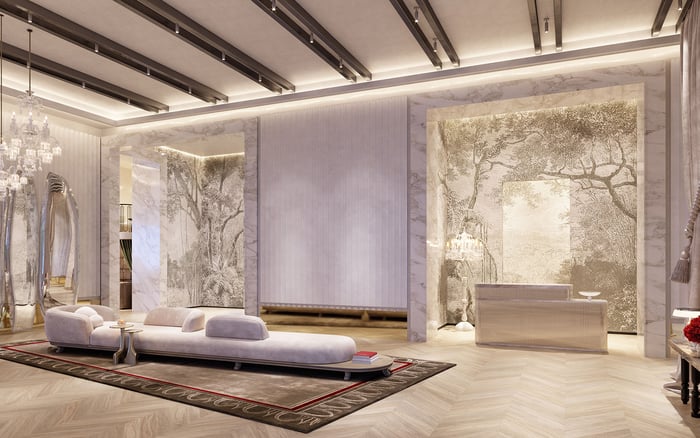
.jpg&width=700&height=438&fit=cover)