A private dining reservation and a resident pool closure raise different questions. For Miami condominium buyers and owners, the distinction comes down to intended use, governing documents, operational control, and the precise scope of lost access.
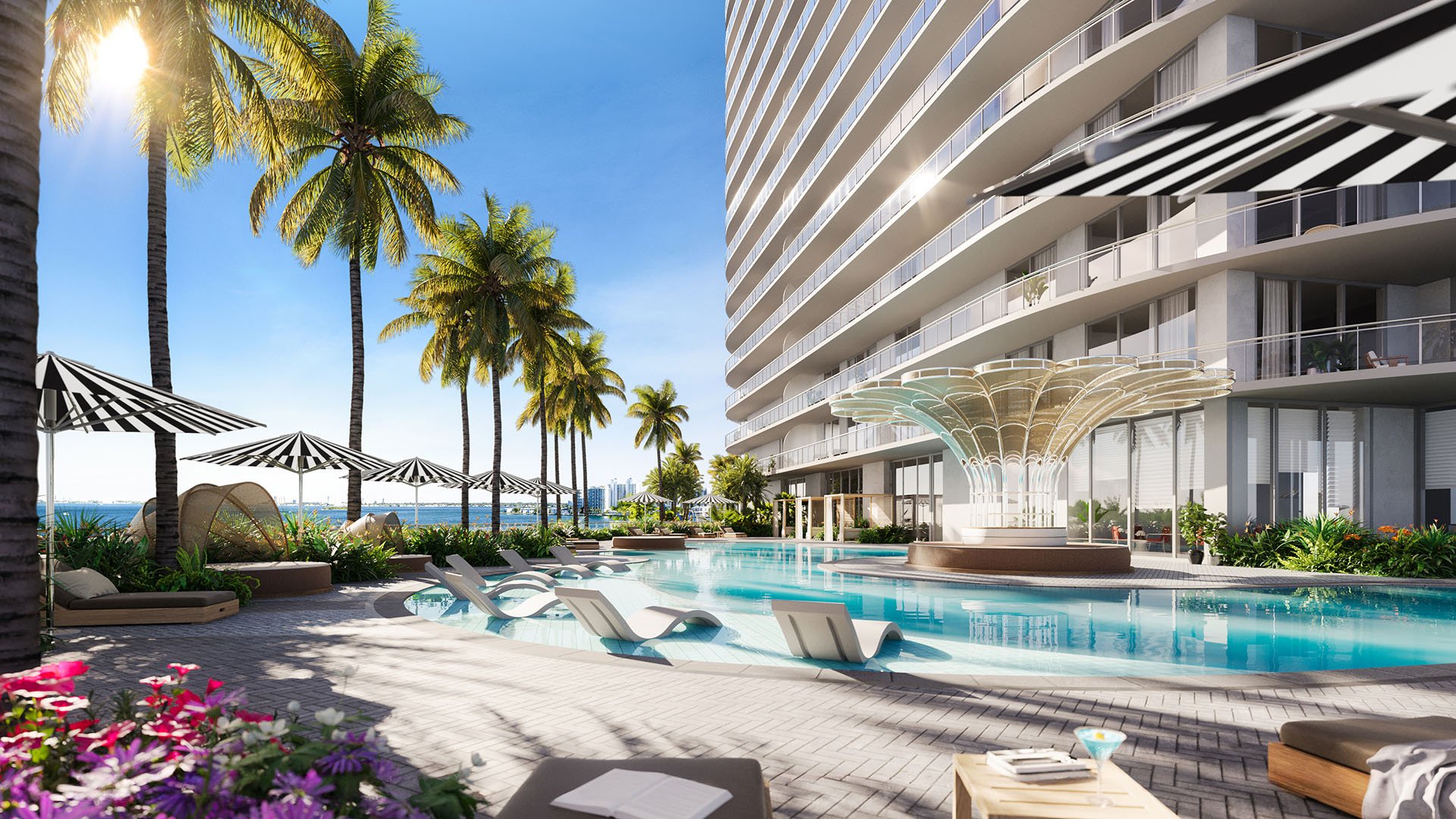
An invitation-only dinner can be a welcome part of condominium life. A locked pool gate when an owner expects an afternoon swim is a different proposition. For buyers evaluating Miami's luxury residences, the distinction is not simply between buildings that host events and those that do not. It is between a space designed for reservations and an amenity residents expect to use in the ordinary course.
The central question is precise: what authority supports the closure, and exactly what becomes unavailable? A private dining room, a restaurant, a pool deck, and the water itself are not interchangeable. Marketing an event venue does not establish legal authority to exclude residents from neighboring amenities.
Florida Statutes §718.123 establishes the starting point: condominium common elements, common areas, and recreational facilities must be available to unit owners and their invited guests for their intended use. The entity operating those facilities may also adopt reasonable rules and regulations governing use.
Those principles belong together. The statute is neither an absolute prohibition on reservations nor unrestricted permission for an operator to close amenities. Whether a particular event closure violates it requires a case-specific assessment of the facility, its intended use, the governing documents, and the restriction imposed.
For an owner, the useful first step is to request the written basis for the closure. For a prospective purchaser, it is to understand the reservation framework before treating an amenity as reliably available. A brochure's promise and a building's operating arrangements answer different questions.
A dedicated private dining room offers the clearest illustration. In Coconut Grove, Park Grove Coconut Grove has a bay-view dining room for private events-a residential amenity intended for reservations. That does not, by itself, establish that a reservation may extend to a pool, terrace, or another shared space.
The distinction is equally useful at The Well Coconut Grove, where amenities include a resident-exclusive rooftop pool and a private dining room with a catering kitchen and bar for events. These distinct spaces call for separate questions about booking rights and access boundaries, rather than an assumption that an event reservation covers both.
Ask management to identify the full event footprint. Does the booking occupy only the dining room, or also adjacent seating and circulation routes? Does setup restrict access before guests arrive, and does breakdown extend the interruption afterward? These questions establish the practical effect of a reservation; they are not assertions about either project's current policies.
Restaurant service adds another layer. Continuum Club & Residences North Bay Village includes a destination waterfront restaurant with indoor and outdoor dining and resident charging privileges. Services also include private-event catering and weekend in-residence and poolside dining.
Those offerings illustrate how residential amenities and hospitality services can overlap. They do not establish an event-closure policy. Resident charging privileges, for example, describe a service relationship-not a guarantee about every table or permission to privatize another amenity.
Buyers should ask who controls each space: the association, a club, a restaurant operator, or another entity. Then request the relevant management or club agreements. An operator's ability to cater an event should not be confused with its authority to remove a residential amenity from ordinary use. The documents and the specific arrangement need to be reviewed together.
Request the declaration, bylaws, current amenity rules, reservation policy, and relevant management or club agreements. Read them with a specific scenario in mind: an owner arrives to use an advertised amenity and finds it reserved for someone else.
Focus the review on five practical points:
Control: Who operates the space, and who approves exclusive reservations?
Eligibility: May owners, residents, outside guests, or outside organizations book it?
Scope: Which rooms, decks, routes, or facilities become unavailable?
Frequency: How often do closures occur, and how long does each interruption last?
Economics: Who receives event revenue, and what explanation accompanies the arrangement?
Also ask what notice residents receive and whether alternatives are offered. Notice, substitute access, compensation, and equal booking terms are worthwhile subjects for negotiation or document review. On the information available here, they should not be presented as statutory requirements established by §718.123.
For a purchaser, the objective is clarity-not a verbal assurance that events are infrequent. Request written confirmation of the current policy and an explanation of how reservations affect ordinary resident access.
Pool operating rules answer a different set of questions. At Portofino Tower in Miami Beach, shared-master pool rules prohibit glass, smoking, diving, and audible music. They also require food and drinks to remain outside the water and at least five feet away, and state that no lifeguard is on duty.
Those provisions govern conduct and operating conditions. They do not establish a private-event reservation policy or prove authority for an exclusive closure. The practical distinction is between rules governing how residents use a pool and rules determining whether residents may use it at all.
The amenity descriptions and pool rules discussed here should be confirmed against current building policies and governing documents before drawing building-specific legal conclusions.
The City of Miami's Chapter 52 special-event framework limits permitted special events on the same private property, or portion of it, to four per calendar year. Under that provision, each permitted event has a maximum duration of seven consecutive days.
These limits are not a blanket rule for every resident gathering. They also concern the City of Miami, not every municipality in Miami-Dade County. A buyer should not apply them to a Miami Beach or North Bay Village property without a jurisdiction-specific review.
Treat municipal permitting and condominium access as separate inquiries. A special-event provision does not resolve the intended use of a condominium amenity or the scope of an operator's reservation authority.
If access is disputed, record the affected spaces, dates, hours, and management communications. Request the applicable policy and a written explanation before reaching a conclusion. Section 718.123 provides for injunctive relief against violations, but whether a particular closure warrants that remedy requires case-specific legal advice.
The buyer's standard is straightforward: understand which spaces are reservable, who controls them, and what residential access remains.
For a considered approach to South Florida residences and the amenity arrangements behind them, connect with MILLION.
If branded residences are on your mind — as a home or as an allocation — we would be glad to share what we are seeing, privately.
Begin a quiet conversationThe answer requires a case-specific review of intended use, governing documents, operating authority, and the restriction. The amenity descriptions discussed here do not establish permission for any particular pool closure.
It requires condominium common elements, common areas, and recreational facilities to be available to owners and their invited guests for their intended use. It also permits reasonable rules governing use.
Not automatically. Request the reservation policy and confirm precisely which spaces the booking covers.
Request the declaration, bylaws, current amenity rules, reservation policy, and relevant management or club agreements.
No. Marketing a reservable amenity does not establish legal authority to close other shared spaces.
Ask management who controls the amenity, who approved the closure, and what written policy or agreement supports it.
The research supporting this article does not establish those requirements. Ask what the building's documents and current policies provide.
No. The City of Miami provision concerns permitted special events within its framework, not every residential gathering or every Miami-Dade municipality.
No. Restrictions on glass, food, music, or diving govern conduct and do not by themselves establish authority for exclusive closures.
The statute provides for injunctive relief. Whether a specific closure violates it or warrants that remedy requires case-specific legal advice.