A practical due-diligence framework for Montreal buyers reviewing insurance quotes, windstorm deductibles, condominium documents, mitigation records, and hurricane-season move-in plans for a Hillsboro Beach residence.
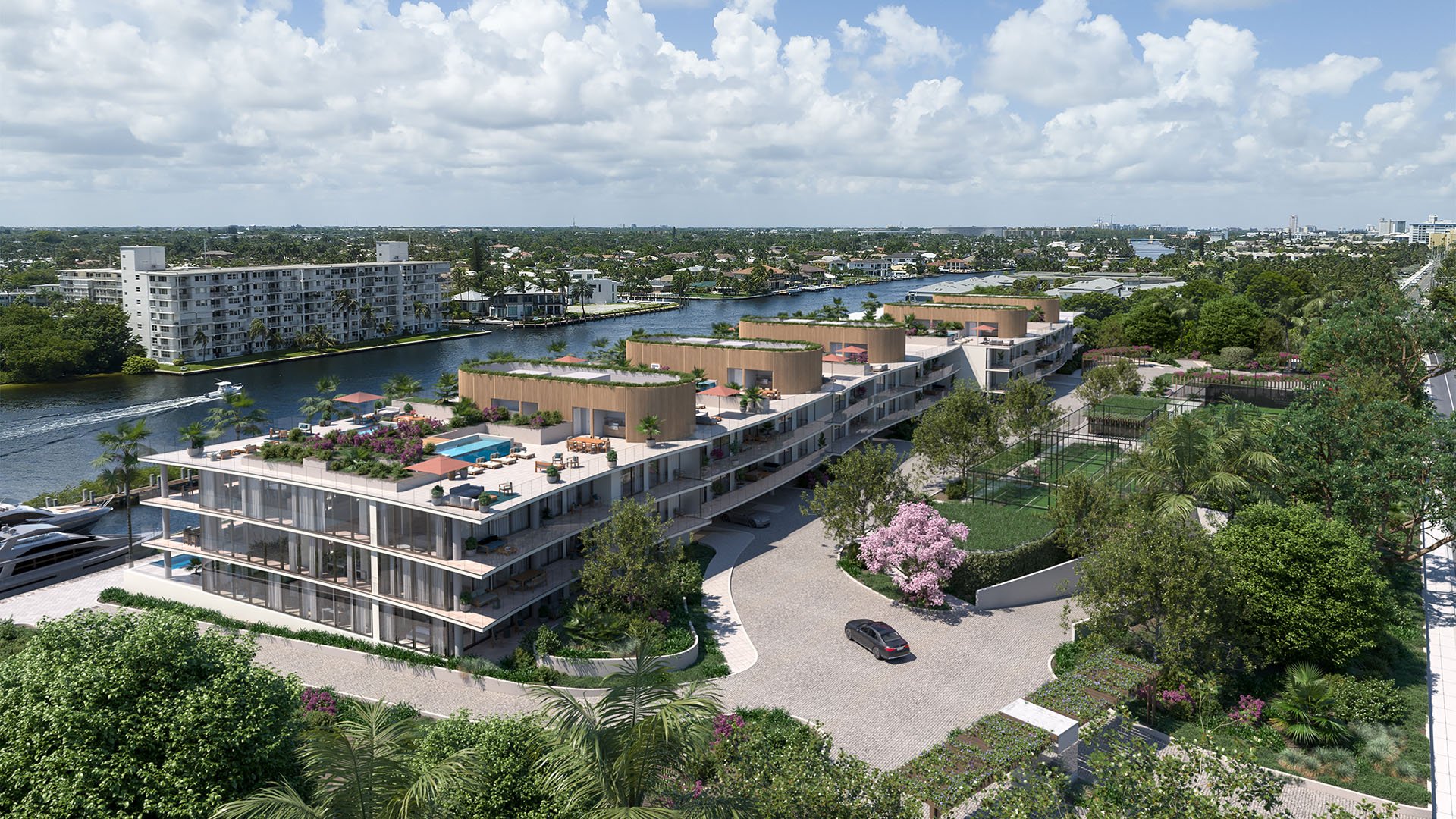
For a Montreal buyer considering Hillsboro Beach, insurance diligence should begin before closing and continue through move-in planning. The useful comparison is not premium alone, but the relationship among coverage, exclusions, deductibles, association obligations, documentation, and the policy’s effective date.
That review belongs alongside legal, financial, and property-condition diligence when evaluating Rosewood Residences Hillsboro Beach or another Broward residence. Buyers should rely on the applicable policy documents and qualified advisers for conclusions about a specific property.
Ask each broker or insurer to prepare quotations using the same property details, coverage limits, valuation assumptions, and requested protections. A side-by-side worksheet can identify differences in covered property, exclusions, deductibles, loss-of-use provisions, personal-property treatment, and coverage for improvements within the residence.
Review wind, hurricane, flood, and other weather-related terms individually rather than assuming that one quotation addresses every exposure. Record whether each item appears in the primary policy, requires separate coverage, or is excluded. Before closing, obtain written confirmation of the effective date and retain the final declarations and payment record.
A percentage shown on a quotation should be translated into a dollar amount using the value specified by that policy. This allows the buyer to compare the potential out-of-pocket amount with the premium and maintain an appropriate reserve.
Request every deductible option available for the specific residence, then compare those options using otherwise consistent assumptions. The final selection should reflect the buyer’s risk tolerance, liquidity plan, and professional advice rather than premium savings alone.
A condominium buyer should review the proposed unit-owner policy beside the association’s current insurance documents. The objective is to understand the division of responsibility for the unit, improvements, common elements, contents, and potential owner assessments.
Ask how the association plans to address a substantial building-level deductible and whether the unit policy offers relevant assessment coverage. Counsel and insurance professionals can help identify gaps, limitations, or conflicting definitions before the transaction becomes binding.
This document-based approach also applies when comparing Broward alternatives such as Armani Casa Residences Pompano Beach and Four Seasons Hotel & Private Residences Fort Lauderdale. Each property requires its own review; branding, amenities, and location do not determine the insurance outcome.
Do not assume that a visible building feature will affect underwriting or pricing. Ask the insurer what inspection, form, permit, or supporting record it requires, and confirm whether responsibility for the relevant component belongs to the owner or the association.
Keep accepted mitigation records with the policy file. If documentation is missing or outdated, determine what must be completed before relying on a quoted credit or coverage assumption.
Treat closing and move-in as a sequence of documented handoffs. Confirm that required coverage is bound, collect the policy number and declarations, verify the effective date and time, and retain proof of payment before possessions are delivered.
Maintain secure off-site access to policy documents, insurer and property-management contacts, inventories, deductible amounts, and association records. A Montreal owner should also establish a reliable local communication and access plan for periods spent outside South Florida.
The post-closing reserve should account for the selected unit-level deductible and any association-related exposure identified during diligence. Final amounts should be based on the executed policy and current association documents rather than estimates.
Should buyers compare insurance quotes by premium alone? No. Compare coverage limits, exclusions, deductibles, valuation assumptions, and effective dates using consistent property information.
Should wind, hurricane, and flood terms be reviewed separately? Yes. Identify how each exposure is addressed in the actual quotation and whether separate coverage is required.
How should a percentage deductible be evaluated? Convert it into a dollar amount using the value identified in the policy, then include that amount in reserve planning.
Why request several deductible options? Multiple options help a buyer weigh premium differences against the amount of risk retained.
Why does the condominium association’s insurance matter? It helps define building-level coverage, deductibles, and potential assessment exposure that may affect unit owners.
What should be checked in a unit-owner policy? Review the treatment of the unit, improvements, contents, loss of use, exclusions, deductibles, and any assessment coverage.
Can a buyer rely on visible mitigation features? Not without verification. Confirm which documents the insurer requires and whether the owner or association controls the relevant component.
When should the policy effective date be confirmed? Confirm it in writing before closing and before possessions are delivered to the residence.
Which records should be accessible away from the property? Keep policy documents, contact details, inventories, deductible amounts, payment records, and association materials in secure off-site storage.
What local planning is useful for a Montreal owner? Establish dependable South Florida contacts and clear arrangements for property access and communication while away.
To compare the best-fit options with clarity, connect with MILLION.
If branded residences are on your mind — as a home or as an allocation — we would be glad to share what we are seeing, privately.
Begin a quiet conversation