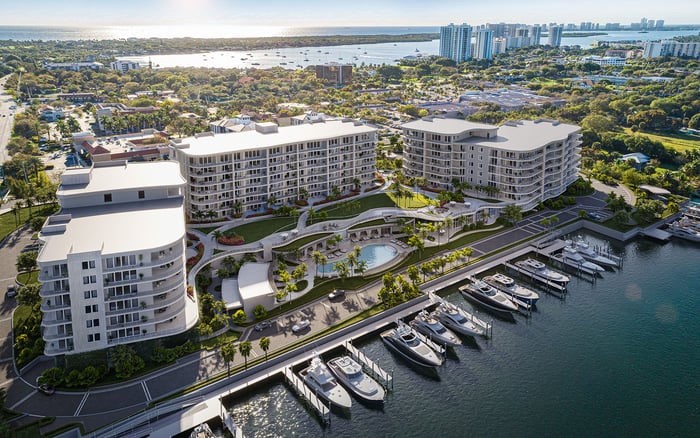
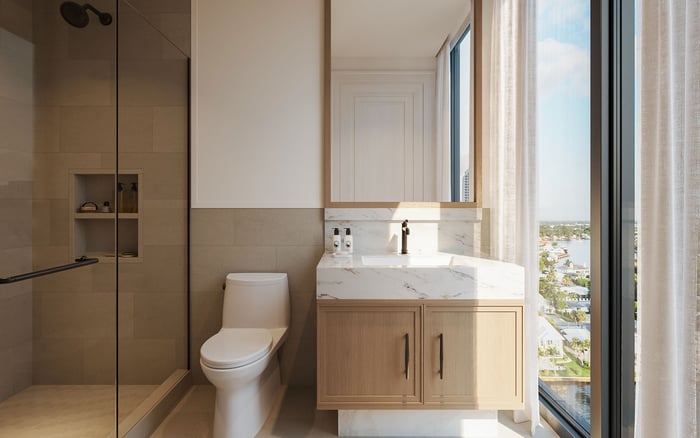
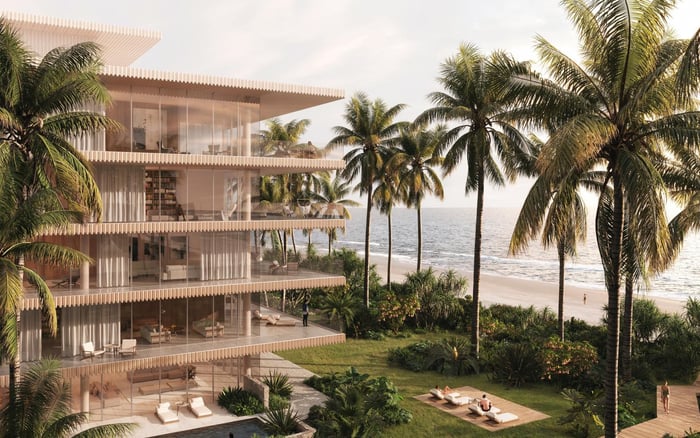
Choosing between Fort Lauderdale and West Palm Beach requires more than comparing waterfront outlooks. Neighboring development rights, qualified view protections, and residence-specific wind conditions help distinguish a beautiful prospect from an outdoor setting suited to everyday use.
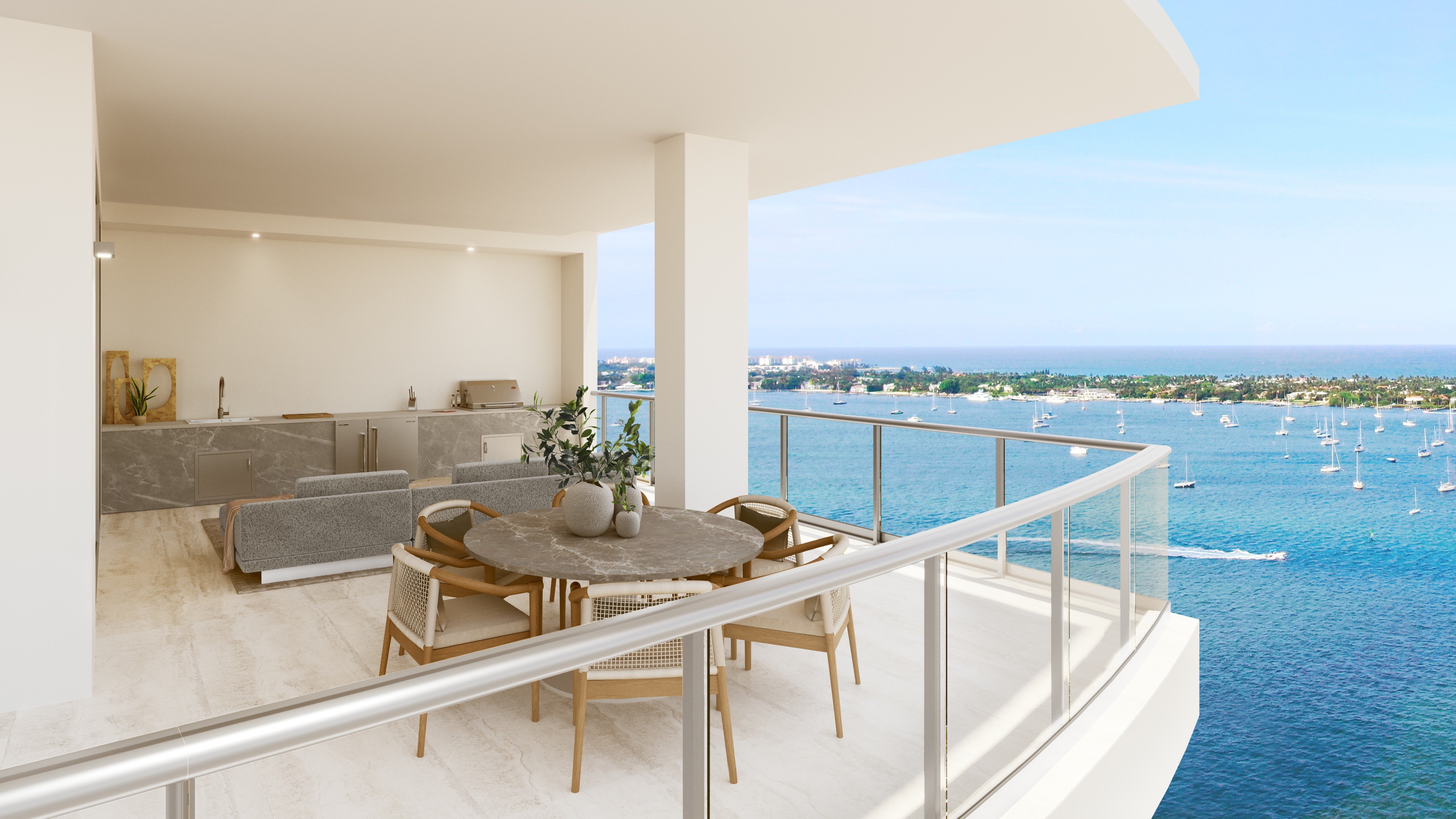
A compelling water view and a terrace made for long lunches are different purchase priorities. The first asks what will remain visible over time. The second asks whether an outdoor room will feel comfortable when you want to use it. For buyers comparing Fort Lauderdale and West Palm Beach, those questions deserve separate answers before they become a single decision.
Neither city is the universal winner for durable views or comfortable terraces. The meaningful comparison is between individual residences, the parcels they face, and their exposure. A buyer who values the outlook from a living room may reasonably choose differently from one whose daily ritual centers on outdoor dining.
Start by defining the experience you are purchasing: an open horizon, a particular water corridor, privacy from neighboring buildings, or extended time outside. That hierarchy gives the investigation a purpose beyond confirming that the view is beautiful today.
Parcel-level research in Fort Lauderdale can draw on an interactive 3D zoning map, property and zoning information, and land-development regulations. Three-dimensional models of projects submitted for development review, together with their review status, can help buyers assess how the surroundings might change.
The distinction between a submitted project and an approved development right is essential. A model helps explain potential building mass, but its presence alone does not establish what is authorized to be built. Pair the visual review with the underlying parcel regulations and application status.
For a buyer considering Andare Residences Fort Lauderdale, the practical task is to identify the parcels within the intended residence's sightlines, rather than treat the broader neighborhood as a uniform setting. The same discipline applies regardless of a building's name or presentation.
Record ownership, zoning, future land use, approved development rights, and pending applications. Where the outlook materially influences the purchase decision, obtain a local land-use attorney's interpretation of neighboring development potential.
Fort Lauderdale's development-review criteria address water views: new building masses should, where feasible, maintain reasonable ocean and Intracoastal Waterway views from existing structures. Those qualifications matter. This is a design-review consideration, not an unconditional promise that an existing panorama will remain unobstructed.
For buyers evaluating Four Seasons Hotel & Private Residences Fort Lauderdale, that distinction offers a useful starting point for questions about a particular residence. Ask what supports the expected outlook rather than treating general view-sensitive language as a guarantee.
A separate waterfront provision requires a 20-foot landscaped yard beside the existing bulkhead line in the development circumstances it covers. It is not a universal waterfront setback. The provision also permits landscaping and the minimum driveways or walkways reasonably necessary to serve permitted nonresidential or multifamily uses. It does not promise an entirely untouched strip.
Likewise, proposed form-based provisions concerning neighborhood transitions, stepbacks, streetwall length, and floorplate limitations require an adoption-status check before they influence a valuation. Distinguish existing requirements from concepts under evaluation.
Official zoning, future-land-use, and historic-district maps are available for West Palm Beach. They are starting points for investigating neighboring parcels, not substitutes for understanding the rights and applications attached to each site. Proposed development is reviewed within the city's municipal planning framework.
When considering Alba West Palm Beach, organize the view assessment around the direction that matters to you. Identify the relevant parcels and confirm how municipal regulations apply to them before drawing conclusions about the long-term outlook. County zoning guidance is not a substitute for West Palm Beach regulations.
The same approach applies to a comparison involving Forté on Flagler West Palm Beach. Ask for a clear separation of present conditions, approved neighboring rights, and pending proposals. These categories should remain distinct throughout the purchase decision.
Discussion of possible waterfront policy changes is not equivalent to adopted law. Do not price a residence on an assumed height restriction or park protection without confirming the applicable legal position.
Wind requires a separate inquiry. Palm Beach County's wind-map framework describes design three-second gust speeds at 33 feet above ground for Exposure C. Those parameters neither measure conditions on a particular terrace nor indicate whether dinner outside will be pleasant.
The design exposure category must follow the applicable Florida Building Code provision. Coastal locations beyond the final contour are also addressed in the guidance, and unusual wind conditions may require examination. These are structural-design considerations, not a measure of terrace comfort.
Fort Lauderdale's design criteria likewise recognize the relationship between buildings and airflow. They call for adequate spacing between building masses to accommodate natural breezes and address interrupting strong northeasterly winds where appropriate. Neither establishes the comfort of an individual outdoor space.
For a terrace-focused buyer, assess orientation, recessed versus projecting design, corner exposure, screens, and available wind studies. Review association restrictions before assuming the space can be modified to suit your preferences. Where access permits, visit during representative windy conditions rather than relying exclusively on a calm showing.
Keep a view assessment and a terrace assessment side by side. The view assessment should identify what is visible now, which neighboring parcels matter, and what development is approved or pending. It should also identify unresolved questions and whether legal interpretation is needed.
The terrace assessment should describe the intended use and the evidence supporting it. A setting for occasional morning coffee deserves a different evaluation from one expected to accommodate leisurely dinners. Test the actual seating area and clarify whether any available wind study addresses pedestrian comfort, structural design, or both.
Do not let one attractive quality answer the other question. An outlook can be compelling while outdoor comfort remains untested. Equally, an inviting terrace should not end the investigation into neighboring development rights.
The decision between these cities becomes clearer when personal priorities lead and property-level evidence follows. View-first buyers should emphasize neighboring rights and the legal basis for any expectation of permanence. Terrace-first buyers should give equal attention to configuration, exposure, restrictions, and observed conditions.
For a discreet comparison of residences aligned with your view and outdoor-living priorities, explore MILLION.
If branded residences are on your mind — as a home or as an allocation — we would be glad to share what we are seeing, privately.
Begin a quiet conversationNeither city is a universal winner. View durability requires residence-specific review of facing parcels, applicable regulations, approved development rights, and pending applications.
Identify ownership, zoning, future land use, approved development rights, and pending applications. Seek a local land-use attorney's interpretation when the outlook materially affects the purchase.
No. The criteria call for maintaining reasonable ocean and Intracoastal Waterway views where feasible, making view preservation a qualified design consideration rather than an unconditional guarantee.
They provide zoning and property information and display models of projects submitted for development review with review status. A submitted model should not be treated as proof of approval.
No. It applies in the development circumstances covered by the provision and allows landscaping and certain necessary driveways or walkways.
Begin with the city's zoning, future-land-use, and historic-district maps, then investigate parcel-specific rights and applications. County zoning guidance should not replace municipal regulations.
No. The county framework describes design three-second gust speeds at 33 feet above ground for Exposure C, not conditions on a particular terrace.
Assess orientation, recessed or projecting design, corner exposure, screens, association restrictions, and available wind studies. Where possible, visit during representative windy conditions.
Confirm their adoption status before treating them as applicable requirements. Proposed heights, protections, or form-based provisions should not be assumed to be adopted law.
Evaluate view durability and outdoor comfort separately, then weigh them against intended daily use. Neither an attractive outlook nor a pleasant showing resolves both questions.