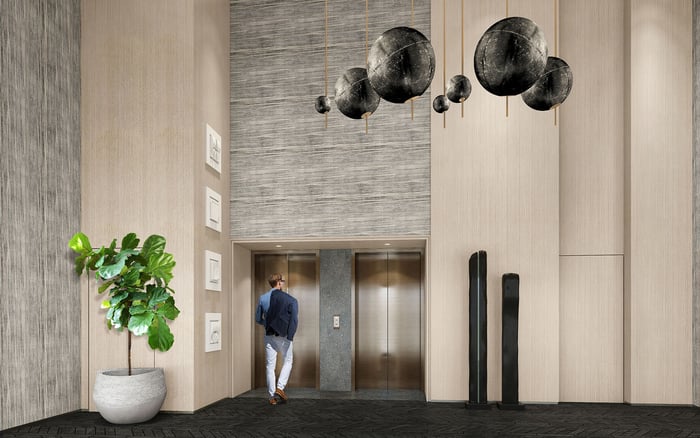
In Miami luxury real estate, security deserves the same early scrutiny as architecture, views, and amenities. Buyers should test access permissions, staffing, response procedures, waterfront exposure, and household privacy before committing.
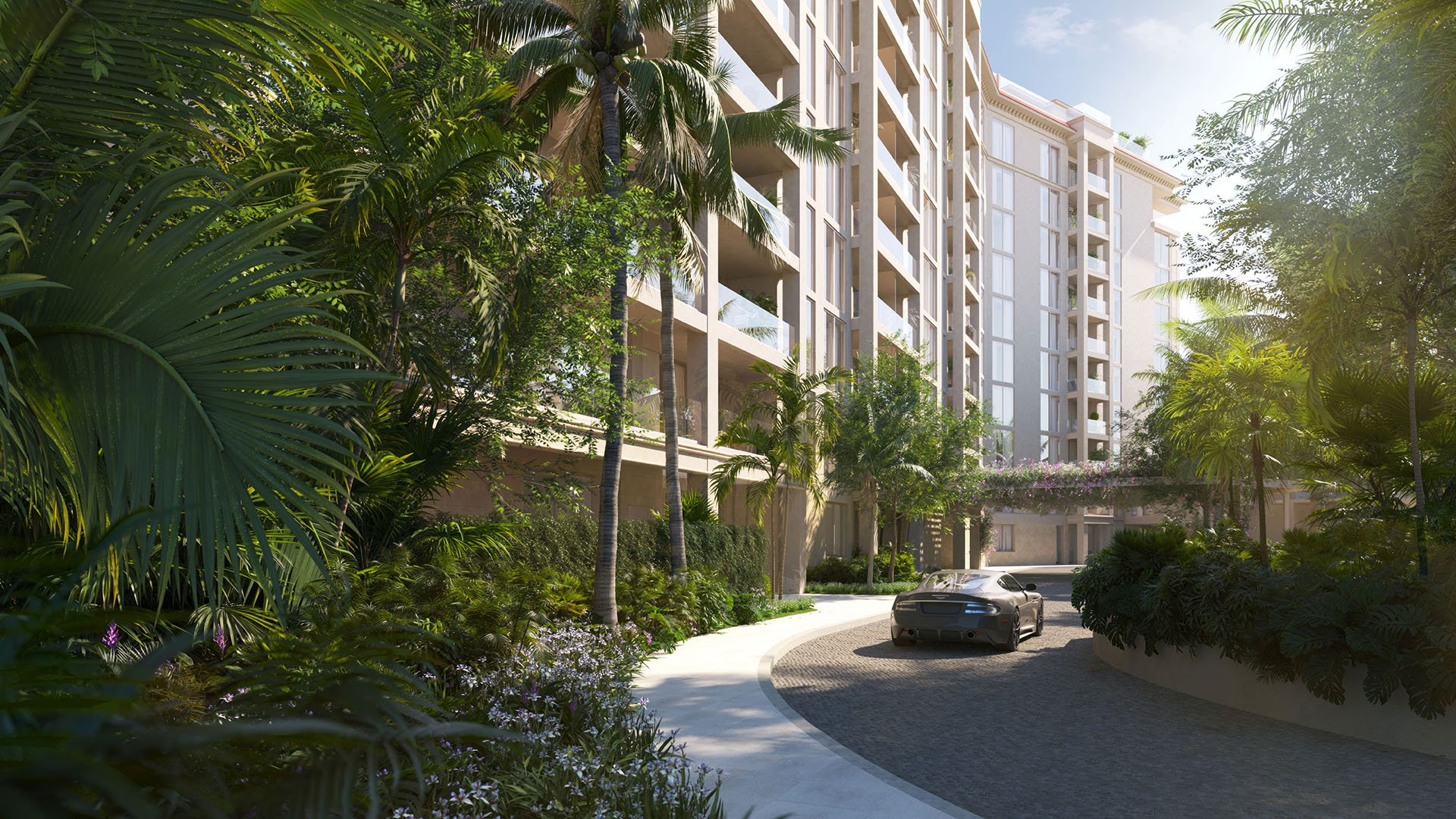
In Miami’s luxury market, privacy is often treated as an atmospheric quality: a discreet arrival, a quiet elevator, a residence shielded from public view. Yet meaningful privacy is operational. It depends on who can enter, which routes they can use, how permissions are granted, what happens when systems fail, and how quickly staff respond.
Security is therefore an early acquisition question, not a final-walkthrough detail. Buyers of new-construction and vertical residences should examine protocols while there is still time to compare properties, request documentation, and clarify operating expectations. Architecture may shape the experience, but procedures determine whether exclusivity functions consistently.
The review should be property-specific. Broad descriptions of a building, island, or gated enclave as secure are no substitute for a demonstration of entry controls, monitoring practices, staffing, patrols, and escalation procedures.
A high-rise review should follow the complete path from the street to the private front door. Principal points include vehicular entry, garage access, pedestrian doors, lobby reception, elevators, service corridors, loading areas, amenity floors, and any connection between public or commercial spaces and residential areas.
In Brickell, a buyer comparing The Residences at 1428 Brickell with other tower options should request a practical explanation of that journey. Which credential opens the garage? Can an elevator reach every residential floor? How are visitors approved after hours? Do deliveries follow a separate route? What procedure applies when a resident’s credential is lost, shared, or revoked?
Personalized permissions can reconcile convenience with exclusivity, but only when the rules are clear. Buyers should understand who creates access profiles, how long temporary permissions remain active, whether household staff receive limited credentials, and how exceptions are recorded. A polished arrival is reassuring; a controlled sequence is more consequential.
Installed technology is only one layer. High-definition cameras, motion detectors, alarms, barriers, and integrated access controls can support protection, but their value depends on coverage, maintenance, monitoring, and response. Ask where surveillance is continuous, how blind spots are addressed, who receives alerts, and what personnel do after an alarm.
The same discipline applies when assessing Waldorf Astoria Residences Downtown Miami or a Miami Beach residence such as The Perigon Miami Beach. The objective is not to assume that one operating model is superior, but to determine whether the building’s combination of concierge personnel, access control, surveillance, and response procedures fits the buyer’s risk profile and daily life.
Request a demonstration rather than a description. Observe how staff distinguish residents and approved guests from unverified visitors. Ask how outages, tailgating, unattended packages, contractor arrivals, and emergency access are handled. Periodic infrastructure review also matters, as equipment, software, occupancy, and threat exposure can change.
Waterfront property requires a perimeter review that extends beyond the driveway. Seawalls, docks, boat slips, service gates, landscaping edges, and routes from public areas may create additional access points. Each should be identified, classified as monitored or unmonitored, and considered alongside lighting, detection, surveillance, and response.
For an island residence such as The Residences at Six Fisher Island, Fisher Island’s ferry-access-only positioning may inform the first layer of inquiry, but it does not resolve residence-specific questions. Buyers still need to establish how guests, marine arrivals, vendors, drivers, and household employees move through the property.
Patrol schedules may vary with location, layout, and occupancy. A second home left vacant for extended periods presents a different operating profile from a fully staffed primary residence. The discussion should therefore encompass both the physical perimeter and the procedures activated when the owner is away.
The private residence begins where common-area protocols end. Nannies, housekeepers, drivers, assistants, contractors, and vendors may have legitimate access while also creating opportunities for intentional or accidental information leakage. A sophisticated plan addresses people and information as carefully as doors and cameras.
Protocols may include initial background investigations, periodic re-screening, role-specific access, device policies, social-media restrictions, nondisclosure agreements, and structured offboarding. Credentials, keys, parking permissions, building registrations, alarm codes, and digital access should be withdrawn promptly when a working relationship ends.
Buyers considering Bentley Residences Sunny Isles or another highly serviced residence should map the interaction between private staff and building management. Who authorizes recurring access? Can permissions be limited by time or destination? Who receives notice of an attempted entry after authorization expires? Clear answers reduce friction without allowing convenience to become uncontrolled exposure.
A professional assessment can combine vulnerability analysis, exposure profiling, layered access control, perimeter hardening, surveillance, motion detection, monitoring, and evaluation of trained personnel. Its scope should reflect the owner’s visibility, travel pattern, family structure, staff, vehicles, marine use, and occupancy schedule.
Provider capabilities can range from concierge and gatehouse control to mobile patrols and armed protection. More visible protection is not automatically better. The objective is a proportionate, discreet system whose layers reinforce one another and whose response procedures are understood before they are needed.
Before contract milestones pass, buyers should request relevant governing documents, written access policies, staffing descriptions, incident-response procedures, equipment-maintenance practices, and a live demonstration where available. Counsel and qualified security advisers can then identify gaps, unresolved responsibilities, or permissions requiring clarification.
Why should security be reviewed before a Miami luxury purchase? Early review leaves time to compare operating models, request documentation, and resolve concerns before committing.
Which high-rise access points deserve attention? Review doors, garages, elevators, loading areas, service corridors, amenity levels, and connections to public spaces.
Are cameras enough to establish that a property is secure? No. Coverage, maintenance, monitoring, trained personnel, and alarm-response procedures determine how equipment performs operationally.
How should buyers evaluate guest access? Ask how guests are approved, verified, routed, time-limited, recorded, and handled outside regular staffing hours.
What should be checked for household employees? Consider screening, periodic re-screening, limited credentials, confidentiality rules, device policies, and structured offboarding.
Why do elevator controls matter in vertical residences? Elevator permissions can determine whether an authorized entrant reaches only approved floors or broader residential areas.
What changes when the residence is on the water? The perimeter review should include seawalls, docks, boat access, service gates, and approaches from public areas.
Should second-home ownership affect the security plan? Yes. Monitoring, patrols, inspections, and escalation procedures should reflect extended absences and changing occupancy.
What should a live security demonstration show? It should show credentialing, visitor approval, restricted routes, alert handling, and procedures for failed or revoked access.
Is the most intensive security package always preferable? No. The appropriate model should be proportionate to the residence, owner profile, routines, staff, and exposure.
For a confidential assessment and a building-by-building shortlist, connect with MILLION.
If branded residences are on your mind — as a home or as an allocation — we would be glad to share what we are seeing, privately.
Begin a quiet conversation
.jpg&width=700&height=438&fit=cover)