A buyer-focused examination of retail adjacency, valet and delivery circulation, dock access, and the documents that should support arrival privacy at the Bayshore Drive residences.
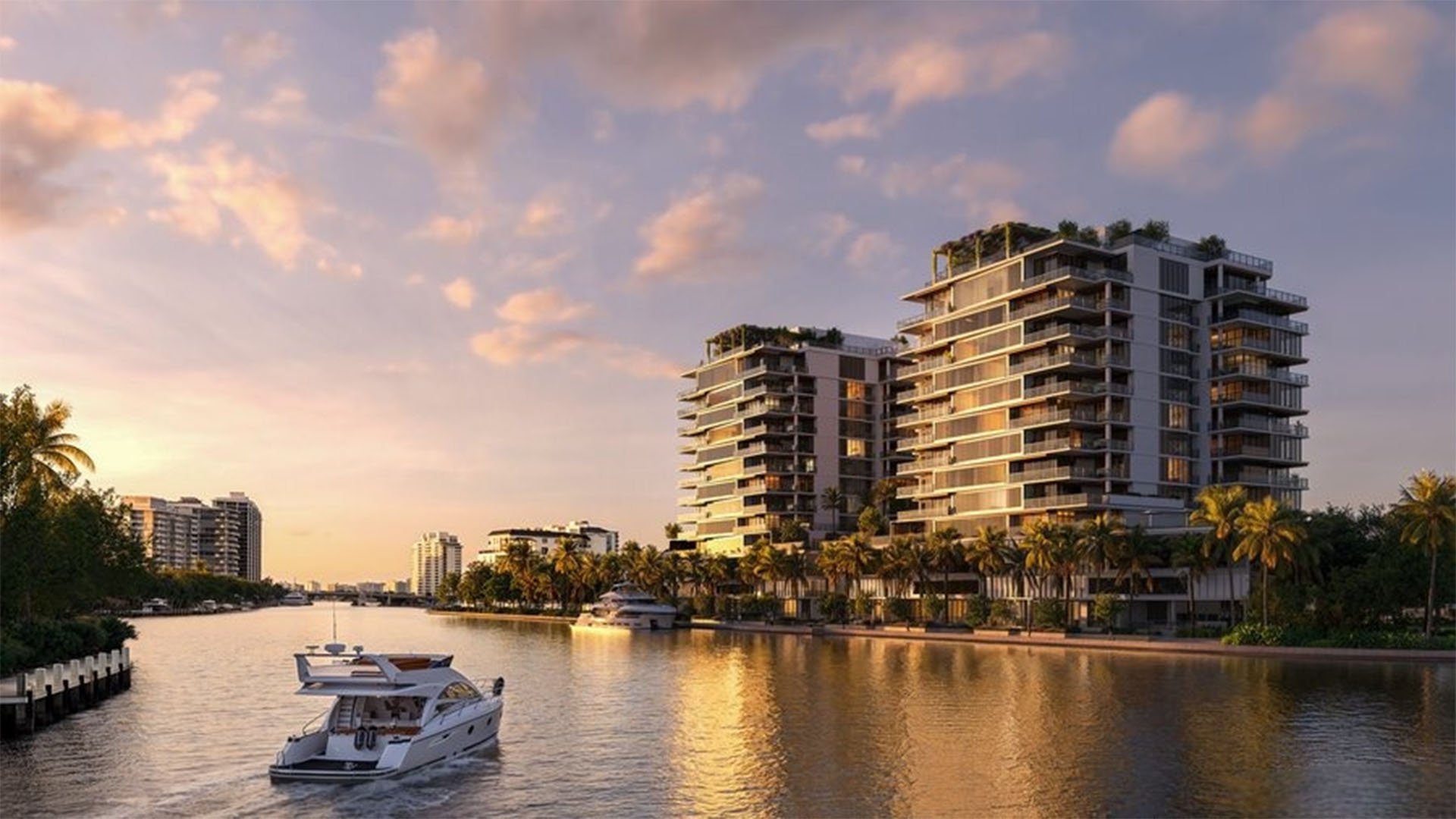
At The Ritz-Carlton Residences® Fort Lauderdale, the most consequential buying questions concern the transition from public street to private home. An elegant lobby and attentive staff matter. So do the routes taken by residents, guests, delivery drivers, and service personnel.
The Bayshore Drive development is distinct from the existing Ritz-Carlton hotel at 1 North Fort Lauderdale Beach Boulevard. The hotel's valet arrangements should not be treated as evidence of how the residences will operate. Likewise, Burlock Coast belongs to the existing hotel; it is not a confirmed commercial use within the new residential development.
With 83 residences, the project has a defined residential scale. That number alone does not establish quiet arrivals or sufficient vehicle capacity. Start with project-specific plans and written operating procedures. Retail adjacency, delivery traffic, and privacy remain diligence questions-not established defects.
The advertised amenities include 24-hour valet service, a personal concierge, and on-site staff. These describe service availability, not the physical separation of resident and nonresident traffic. Valet service does not, by itself, establish a dedicated resident driveway or an independent delivery route.
The identified ground-floor components include a main lobby with lounge, valet, service lobbies, a secured parking garage with ramp access, private villa gardens, and dock access. These are useful starting points, but their relationships matter more than their names. Service lobbies do not necessarily establish that deliveries stay clear of resident arrival areas.
Request marked ground-floor and garage plans showing every connecting door and corridor. Trace a resident's route from curb to elevator, then do the same for a guest, courier, contractor, and dock visitor. Identify where those paths cross and what controls govern each crossing.
Buyers also considering Four Seasons Hotel & Private Residences Fort Lauderdale should apply the same project-specific test. A hospitality name is not a substitute for documented circulation and access arrangements.
Fort Lauderdale Beach buyers may welcome nearby dining and shopping while expecting a discreet residential entrance. The distinction is between neighborhood convenience and commercial activity that shares a property's arrival or service infrastructure.
Nearby Las Olas restaurants, galleries, bars, and boutiques do not establish retail within the residences. Do not infer either the presence or absence of on-site commercial uses from neighborhood descriptions. Instead, request permitted uses for the project and adjoining parcels, along with plans identifying any customer entrances.
If commercial uses are permitted, establish their ownership arrangements, operating hours, loading routes, waste facilities, and exhaust locations. Ask whether customers or commercial vendors could use any part of the residential driveway, garage, lobby, or service corridors. These are matters to verify, not confirmed project conditions.
For buyers comparing Andare Residences Fort Lauderdale, the same questions offer a useful framework: distinguish an address's appeal from the access rights and operating permissions immediately around the home.
The practical question is not simply whether deliveries can enter. It is where they stop, how goods move indoors, and whether the process interrupts a resident's arrival. Ask separately about parcels, groceries, furniture, movers, and contractors. A small package and a furniture delivery require different handling arrangements.
Request plans identifying loading, package reception, storage, service access, guest drop-off, and valet staging. Clarify whether delivery vehicles use a dedicated loading area or the resident drop-off, and whether larger deliveries require reservations. Any proposed separation should be visible on the plans and supported by operating rules.
Dependable delivery-volume and valet-queue figures are not established by the available ground-floor information. Obtain peak-hour forecasts and queue calculations rather than infer capacity from 24-hour service. Ask how the proposed operation handles simultaneous resident arrivals, guest drop-offs, vehicle retrievals, and deliveries.
Garage ramp access warrants a separate review. Have the team explain how pedestrians, valet vehicles, delivery personnel, and dock users interact around the ramp. The useful answer is a marked route and a clear procedure-not a general assurance that staff will manage traffic.
Examine privacy from the street inward. Check sightlines into the lobby lounge and elevator waiting areas, including whether someone approaching from a public entrance can observe residents arriving or waiting.
Then request the proposed visitor-registration and vendor-access procedures. Determine who authorizes entry, where visitors wait, how elevator access is controlled, and whether a delivery worker can proceed beyond package reception. Concierge service and on-site staffing do not, on their own, establish these controls.
Package handling deserves equal attention. Ask where items are received, who can enter storage areas, and how residents collect items or receive them at home. Review connecting doors between service lobbies and resident spaces, including the access credentials and procedures proposed for each.
The goal is a coherent sequence of controlled transitions. Evaluate physical separation and operating discipline together; neither should be assumed from amenity language.
The project advertises a limited number of private dock slips along the Intracoastal Waterway. Buyers should not assume that a slip or associated access rights are included with every residence.
Request written dock rules covering access hours, guest and crew credentials, provisioning, deliveries, and contractor parking. Verify whether boat owners, guests, crew, marine contractors, and provisioning vendors share residential driveways, parking, corridors, or elevators.
A waterfront purchase should account for arrivals by water as well as by road. Buyers considering St. Regis® Residences Bahia Mar Fort Lauderdale can apply the same access questions to their separate diligence, without assuming that either property's arrangements apply to the other.
Before committing, compare representations about arrival privacy, loading, and access separation with approved plans, purchase-agreement exhibits, and condominium documents. Ask counsel to identify which provisions are binding and what the developer may change without purchaser consent.
The strongest diligence package combines marked plans, written procedures, and contractual support. Resolve outstanding questions with specific answers, not assumptions about the brand. For a discerning buyer, an arrival experience is most reassuring when its discretion can be traced through the documents.
For a discreet conversation about your Fort Lauderdale search, connect with MILLION.
If branded residences are on your mind — as a home or as an allocation — we would be glad to share what we are seeing, privately.
Begin a quiet conversationNo. It is a distinct development, so buyers should use residence-specific plans rather than assume the hotel's arrival arrangements apply.
The project is identified as having 83 residences. That scale does not independently establish delivery capacity or valet performance.
No. The advertised service does not establish a dedicated resident driveway or separate delivery route; those arrangements require verification.
No. Burlock Coast is advertised at the existing Ritz-Carlton hotel, not as a confirmed commercial use within the Bayshore Drive residences.
Request permitted uses for the project and adjoining parcels, customer entrances, ownership arrangements, operating hours, loading routes, waste facilities, and exhaust locations.
Not by themselves. Request marked plans showing connecting doors, corridors, and the controls governing movement between service and resident areas.
Trace parcels, groceries, furniture, movers, and contractors from vehicle arrival to their destination. Request loading plans, proposed procedures, peak-hour forecasts, and queue calculations.
No. Buyers should separately verify visitor registration, vendor authorization, elevator access controls, and package-handling procedures.
Buyers should not assume so because only a limited number of private slips are advertised. Confirm allocation and access rights, along with written guest, crew, and vendor rules.
Compare those representations with approved plans, purchase-agreement exhibits, and condominium documents. Ask counsel what is binding and what may change without purchaser consent.