A buyer’s guide to separating advertised residential service from documented cooling protection at The St. Regis Residences, Miami, with practical checks for emergency repairs, humidity alerts, equipment redundancy, and ownership responsibilities.

At St. Regis® Residences Brickell, the cooling questions worth asking are operational: who responds when air conditioning stops overnight, who receives a humidity alert while the owner is away, and what remains functional if equipment fails?
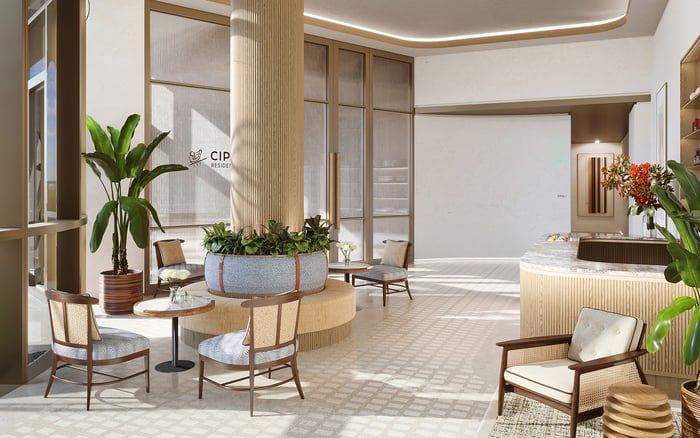
The project is The St. Regis Residences, Miami, at 1809 Brickell Avenue, Miami, FL 33129. Advertised residence features include smart-home climate and lighting controls. Residential services include vendor and scheduled-maintenance coordination, HVAC filter changes, and minor electrical and plumbing services. A private residential lobby attended 24/7, alongside 24-hour concierge and butler service, creates an expectation of accessible assistance.
That availability does not, by itself, establish an emergency cooling commitment. After-hours HVAC staffing, guaranteed repair response, humidity alarms, and cooling redundancy require written verification. Unverified does not mean unavailable. It means these protections should not be assumed from hospitality language alone.
Begin with a specific scenario: the residence loses cooling late on a holiday evening while its owner is overseas. Request the written procedure from the first call through technician arrival, repair authorization, and restoration of service.
The procedure should identify who answers, whether a technician is on-site or dispatched externally, and who has authority to enter an unoccupied residence. Request separate commitments for acknowledging the call, arriving at the property, and restoring cooling. Any response-time promise should specify which event it covers.
Ask for the applicable emergency service agreement, including:
Coverage on nights, weekends, and holidays, with any exclusions.
Maximum technician arrival times and escalation if the first contractor cannot attend.
Callout charges, minimum labor charges, and owner approval requirements.
Procedures when repairs require unavailable parts or access to shared equipment.
Treat filter replacement and maintenance coordination as distinct from emergency diagnosis and repair. The advertised services do not establish emergency HVAC pricing or coverage.
For buyers also considering Cipriani Residences Brickell, use the same scenario and request the same written answers. This is a comparison framework, not an assertion that either property provides a particular technical service.
Smart-climate control is an advertised feature, but it does not establish continuous relative-humidity measurement, high-humidity alarms, condensate-overflow alerts, or designated alarm recipients. Treat each as a separate question.
Request a description of the proposed or installed sensors, their locations, and the information visible to the owner and building personnel. Establish whether the system records humidity continuously or simply displays a current reading. Ask who selects alert thresholds, how long an elevated reading must persist before notification, and whether settings can be changed remotely.
Then follow the notification through to action. Does it reach the owner, a property representative, building staff, or some combination? Who acknowledges it, and what happens if nobody responds? Verify whether alerts continue during an interruption to the residence’s internet connection or electrical supply.
Where humidity or condensate alarms are represented, request documented testing and a demonstration when available. Ask whether humidity history can be reviewed and whether condensate-overflow detection has its own response procedure. A useful alert has a clearly assigned recipient and an agreed next step.
Two independent cooling units per residence, N+1 capacity, and standby cooling-plant capacity remain unconfirmed. The HVAC manufacturer, model, and refrigerant are also not established. Request the mechanical plans and equipment schedules for the residence under consideration.
Have a qualified mechanical professional identify what can continue operating after a component failure. Ask whether any represented backup capacity serves the entire residence or only specified areas, and which shared dependencies remain. The review should address relevant pumps, controls, electrical supply, and any central equipment-not stop at an equipment count.
Backup power deserves its own written explanation. Request a schedule identifying which cooling-related components receive it, the conditions under which they operate, and any limits. A general discussion of building backup power is no substitute for confirmation of the residence’s cooling coverage.
If The Residences at 1428 Brickell is also on your shortlist, apply the same component-level review there. Compare documented capabilities without assuming that either address offers equivalent redundancy.
For an owner who travels frequently, permission to act is as important as notification. Establish which equipment is a common element and which is the owner’s responsibility. Confirm who maintains it, who may access it, and who pays for emergency diagnosis, replacement parts, and repairs.
Ask counsel to reconcile the operating explanation with the declaration and applicable exhibits. Clarify access permissions, approved vendors, spending authorization, and responsibility when a problem involves both shared and residence-level equipment. Resolve these questions before an unattended residence requires intervention.
Service continuity should be equally explicit. Ask about critical spare parts, temporary cooling or dehumidification, prolonged outages, and storm-related access restrictions. These are requests for contingency planning, not services already established by the advertised offerings.
Start with the condominium prospectus, declaration and exhibits, operating budget, warranties, maintenance contracts, and written emergency procedures. Add mechanical plans, equipment schedules, and commissioning records when available. The Purchaser’s Guide, rack brochure, and floor plans can orient the review but should not substitute for technical and contractual detail.
Do not treat oral assurances as a substitute for documented commitments. Have counsel evaluate how any specific cooling or service assurance is reflected in the applicable transaction documents.
For equipment not yet available for inspection, ask which specifications are committed, which remain subject to change, and when testing records can be reviewed. Once access is available, have a qualified professional evaluate cooling performance and condensate drainage, and review documented alarm tests wherever those features are represented.
Before committing, reduce the review to three written conclusions: the emergency service arrangement, the humidity-alert and intervention procedure, and the cooling capacity available after a failure. Specify the responsibility and cost allocation for each. Any unresolved item should remain an open purchase consideration, not become an assumed amenity.
The most reassuring answer is not simply that someone will handle it. It is a documented account of who acts, what they can do, and what the owner must authorize or fund.
For a considered approach to your South Florida residential search, explore MILLION.
If branded residences are on your mind — as a home or as an allocation — we would be glad to share what we are seeing, privately.
Begin a quiet conversationThe project is at 1809 Brickell Avenue, Miami, FL 33129.
No. Advertised concierge and butler service does not establish on-site HVAC staffing or a guaranteed emergency cooling response time.
Offerings include vendor and scheduled-maintenance coordination, HVAC filter changes, and minor electrical and plumbing services. These do not establish emergency HVAC repair coverage or pricing.
Request technician availability, attendance commitments, escalation procedures, emergency charges, and exclusions. Distinguish call acknowledgment from technician arrival and restoration of cooling.
No. The advertised controls do not establish continuous humidity monitoring, high-humidity alerts, condensate-overflow alerts, or alarm recipients.
Confirm sensor locations, alert thresholds, recipients, and the procedure when an alert goes unanswered. Where these features are represented, request humidity history and documented alarm testing.
The available project information does not confirm two independent cooling units, N+1 capacity, or standby plant capacity. Request mechanical plans and equipment schedules for professional review.
Responsibility should be established through the declaration, applicable exhibits, and service arrangements. Verify the division between common-element and owner equipment, along with access rights and costs.
Request the prospectus, declaration and exhibits, operating budget, warranties, maintenance contracts, and emergency procedures. Add mechanical plans, equipment schedules, and commissioning records when available.
Do not treat a verbal assurance as a substitute for a documented commitment. Have counsel review the applicable transaction documents and any written cooling or service commitments.