A buyer’s guide to separating Rivage Bal Harbour’s advertised security services from the access permissions, cybersecurity responsibilities, and resident-data policies that warrant written verification before purchase.

At Rivage Bal Harbour, a buyer’s security review should extend beyond the arrival experience. A private entrance is an amenity; the rules governing who can authorize entry, review movement records, and retain household information warrant separate scrutiny. For a residence intended as a discreet retreat, those distinctions belong alongside architectural plans and ownership documents.
The project’s address is 10245 Collins Avenue, Bal Harbour, FL 33154, and its developer and offeror is Carlton Terrace Owner LLC. Advertised services include 24-hour security and valet. That service commitment alone does not establish a cybersecurity standard, a credential-management policy, or a resident-data retention schedule.
The appropriate posture is neither suspicion nor assumption. Undisclosed technical details do not mean safeguards are absent. They identify questions to resolve in writing before purchase. The requests below are due-diligence recommendations, not confirmed Rivage features or universally required disclosures.
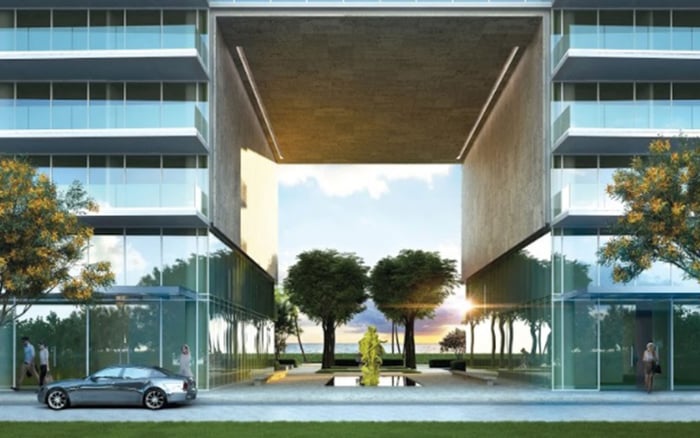
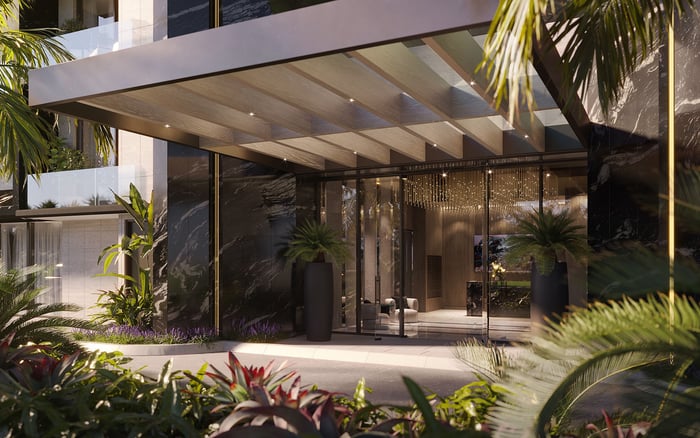
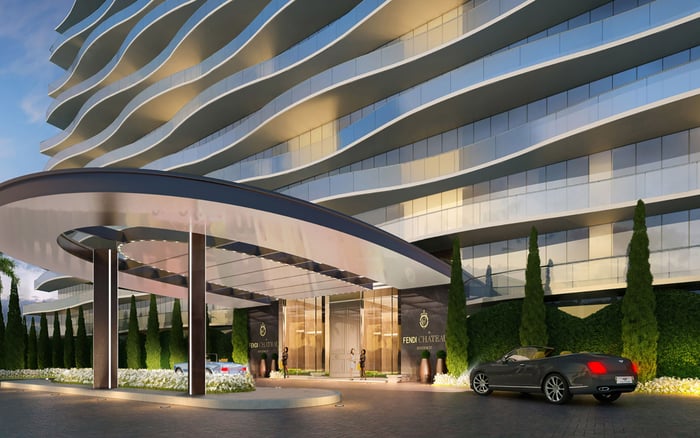
Advertised amenities include direct, private elevator entry to each residence, private two-car garages with storage, and a gated street-level entrance. These descriptions are not technical access-control specifications.
Request a written inventory covering the entrance, elevators, garages, visitor management, valet operations, surveillance, and any resident-facing applications. For each applicable system, ask for its purpose, operator, administrator, and current implementation status. Distinguish among a selected product, an installed system, and an adopted operating policy.
Credential technology remains unverified in the available public details. Do not assume fobs, mobile credentials, biometrics, or license-plate recognition. Ask which methods are intended, what information each collects, and whether residents have alternatives where applicable.
Buyers also considering Oceana Bal Harbour can use the same questionnaire for consistent comparisons, without inferring either property’s security arrangements from its residential positioning.
Private elevator entry makes authorization especially consequential. Request a permissions matrix explaining which credentials can reach which destinations, who approves changes, and how temporary access expires. Ask management to describe procedures for household employees, guests, contractors, and emergency access without seeking sensitive operational details.
Garage credentials warrant their own review. Ask whether garage and elevator permissions are linked, whether valet access is separately limited, and how a lost device or changed vehicle is handled. The objective is to understand the boundaries between access privileges-not simply whether an entrance opens.
Request a written revocation procedure covering lost credentials, departing employees, ownership changes, and any applicable tenancy changes. It should identify the responsible role, expected response time, and method for confirming removal across relevant systems. These are matters to verify, not established Rivage procedures.
The publicly described services do not establish which entrance, elevator, garage, visitor, or valet events will be logged. Request a redacted sample, not another household’s records or unrestricted access to live security systems.
Ask whether applicable logs distinguish successful entry, denied attempts, credential changes, and administrator actions. Determine whether an entry identifies an individual, a household, a vehicle, or only a device. That distinction affects what a record can reliably demonstrate.
Then examine oversight: who may search records, who may export them, and whether those activities are themselves recorded. Ask how a resident can raise a concern and who decides whether information may be shared. A useful answer should distinguish routine service access from investigative access and explain applicable privacy restrictions.
Request a high-level security assessment summary and an explanation of how unresolved findings are handled. Buyers need not obtain technical configurations or sensitive testing details to establish who is accountable for maintenance, administrator permissions, vendor access, and incident response.
Ask whether privileged accounts require additional authentication, how outside providers receive and lose access, and who approves system changes. Seek written vendor security obligations and identify the party responsible for responding if a service provider experiences an incident. Treat none of these controls as confirmed without documentation.
Review evidence of any cyber-liability coverage with an adviser, including the insured entity and relevant exclusions. Coverage is separate from operational readiness, not a substitute for it.
For a comparison extending into Surfside, apply the same requests to Ocean House Surfside. Compare documented responsibilities rather than infer technical protection from amenities.
The available public specifications do not establish retention periods for access logs, surveillance footage, or other resident-related operational records. Request both a privacy notice and a schedule addressing each applicable system individually.
That schedule should explain what is collected, why it is needed, who owns or controls it, which roles may access it, and whether vendors retain copies. Ask for separate answers on active storage, backups, routine deletion, and preservation following an incident or legal hold.
Do not reduce the discussion to whether records are kept for a long or short period. Ask management to explain how each proposed period serves its purpose and what triggers exceptions. The goal is a clear policy that accounts for both security needs and household privacy.
Florida Section 718.111 generally requires association official records to be maintained in Florida for at least seven years, with permanent retention for certain records and other exceptions. Association official records generally must be available for member inspection within 10 working days after a written request, subject to statutory exclusions and procedures.
Neither rule should be read as a promise about every security record. Have condominium counsel determine which access, visitor, video, and cybersecurity records qualify as official association records before applying retention requirements. Seven years is not a verified Rivage security-log policy.
Prospective purchasers should also distinguish their due-diligence requests from association-member inspection rights. Those rights do not automatically entitle a buyer to sensitive operational information or another resident’s data.
Before committing, assemble a concise file: the system inventory, credential-revocation procedure, administrator-permissions policy, redacted log sample, privacy notice, retention schedule, and available cybersecurity and insurance summaries. Record who supplied each answer and whether it describes a current policy or a future commitment.
For households coordinating guests or staff while away, request a walkthrough of temporary access, lost credentials, and incident escalation. Have counsel address unresolved commitments through the transaction’s available documentation rather than treating verbal reassurance as a specification. The strongest outcome is not disclosure of every technical detail, but clarity about authority, accountability, and privacy.
For a discreet, buyer-focused perspective on South Florida residential choices, explore MILLION.
If branded residences are on your mind — as a home or as an allocation — we would be glad to share what we are seeing, privately.
Begin a quiet conversationCarlton Terrace Owner LLC is identified as the developer and offeror. The project lists its address as 10245 Collins Avenue, Bal Harbour, FL 33154.
No. Rivage advertises 24-hour security and valet service, but that commitment does not establish a cybersecurity standard or resident-data policy.
The available public details do not establish whether access will use fobs, mobile credentials, biometrics, license-plate recognition, or another method. Buyers should request a written system inventory.
Ask who assigns elevator permissions, which destinations each credential can reach, and how temporary or revoked access is handled. Direct, private elevator entry is described, but those operating rules remain to be verified.
Private two-car garages with storage are described for each residence. Buyers should ask whether garage, valet, and elevator permissions are separate and how each can be revoked.
Request a redacted log sample and an explanation of which events are recorded. Ask who can search or export records and whether administrator activity is logged.
The available public specifications do not establish retention periods for access logs, surveillance footage, or other resident-related operational records. Request a system-by-system retention and deletion schedule.
Do not assume so. Section 718.111 generally requires at least seven years for association official records, subject to exceptions, and counsel should determine which security records qualify.
No. The general 10-working-day inspection rule concerns association-member rights and is subject to statutory exclusions and procedures; it is not an automatic purchaser entitlement.
Ask for assessment summaries, vendor security obligations, administrator-permissions policies, incident-response responsibilities, and evidence of any cyber-liability coverage. These are due-diligence requests, not confirmed Rivage features or universally mandated disclosures.