At The Perigon Miami Beach, emergency-power coverage requires its own due diligence. Buyers should request written, residence-specific confirmation of supported circuits, shared systems, operating limits and outage procedures rather than infer continuity from the amenity collection.
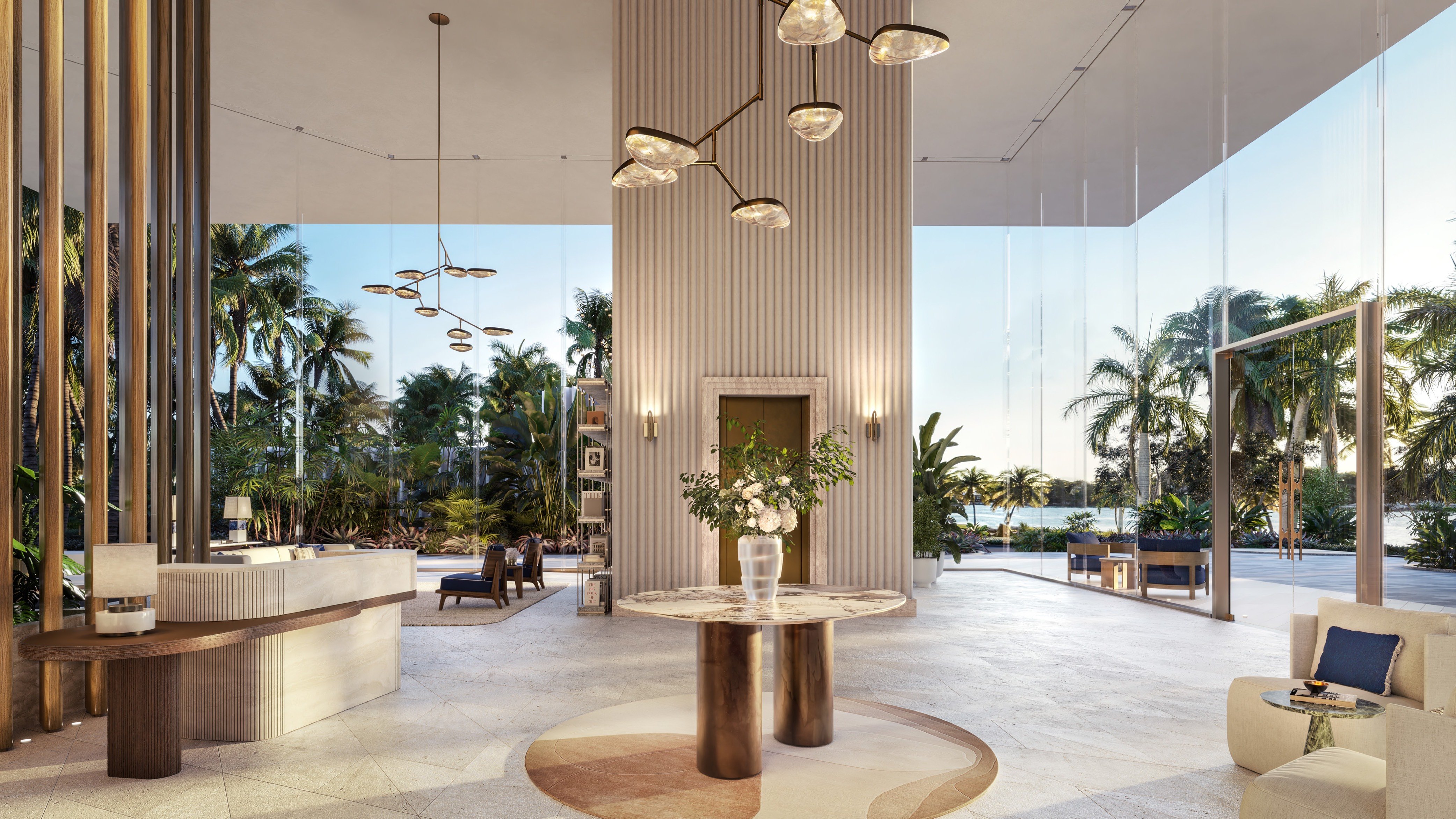
At The Perigon Miami Beach, an oceanfront luxury residential project with 73 residences, emergency-power coverage deserves the same precision as the floor plan. For a buyer planning extended stays or a carefully managed second home, the distinction is critical: having backup infrastructure is not the same as confirming which services it supports.
Amenity descriptions do not establish emergency-power coverage inside residences or across common areas. Nor do they establish generator capacity, runtime, fuel arrangements or a circuit-by-circuit load list. That does not mean coverage is absent. It means buyers should obtain project-specific written confirmation before treating any service as available during an outage.
The objective is straightforward: identify what remains powered, under which conditions and for how long. A general assurance about emergency power begins that conversation; it does not settle it.
Start with the home itself. Request a written schedule identifying any backed-up circuits for the residence under consideration, accompanied by a plan showing their locations. Ask whether the schedule reflects proposed design, installed equipment or tested operation. Each represents a different level of confirmation.
Organize the inquiry around everyday functions rather than accepting a broad phrase such as essential power:
Lighting and outlets: Which rooms, fixtures and receptacles, if any, receive emergency power? Are supported outlets clearly identified?
Refrigeration: Are the refrigerator and freezer included? Ask separately about any wine refrigeration or additional cold storage in the residence.
Cooling and ventilation: Does coverage extend to any air-conditioning equipment, controls or ventilation, and what operating limits apply?
Other household functions: Ask individually about cooking, hot water, shades, communications equipment and any owner-specific requirements.
Amenity descriptions do not confirm backup coverage for any of these functions at The Perigon. The schedule should replace assumptions with a defined scope, including explicit exclusions.
A useful answer describes what an owner can expect, not simply which equipment receives power. If any cooling is represented as supported, ask which rooms or zones it serves, whether all necessary components are included and whether settings or operating hours are restricted during an outage. Power to a control panel should not be interpreted as confirmation of full cooling operation.
Apply the same discipline to refrigeration. Ask whether the designated appliance circuit remains powered throughout emergency operation or may be interrupted as other systems take priority. The response should identify the applicable equipment rather than refer loosely to the kitchen.
For a buyer also considering 57 Ocean Miami Beach, the comparison should use the same questions and documentary standard. This is a framework for evaluating representations, not a claim that either project offers a particular level of backup coverage. Compare specific supported functions, not the confidence of the presentation.
Next, trace an ordinary arrival and departure. Ask which elevators, if any, operate during a utility outage, which floors they serve and whether use is restricted. Clarify passenger access separately from any emergency operating mode. An elevator associated with emergency procedures should not be assumed available for routine resident travel.
Continue through the lobby and garage. Seek written confirmation of any coverage for access-control equipment, intercoms, garage gates, common-area lighting and security systems. Ask how residents enter or leave if an electrically operated component is unavailable, and who communicates those procedures.
Water warrants a separate inquiry. Request confirmation of any backed-up pumps and their intended effect on water delivery to residences. Ask separately about hot-water systems and any limitations relevant to the home. Coverage for elevators, water pumps, security and garage access remains unconfirmed here; each requires verification.
The announced amenity collection includes a resident-only oceanfront restaurant, a speakeasy bar, an oceanfront swimming pool, and poolside cabanas and sunbeds. It also includes a terraced fitness center with ocean views, a children's playroom, a private salon and a screening room. These descriptions date to November 2022 and should be treated as amenity context, not an outage operating plan.
For each space, ask two distinct questions: which equipment receives emergency power, and whether residents may use the amenity during an outage. Request separate answers for restaurant refrigeration, food preparation, dining-room lighting and service availability. Confirmation of one function is not a promise about all four.
For the pool and fitness areas, ask about equipment support, lighting, access and closure procedures. Evaluate lifestyle continuity through the operating plan as well as the electrical schedule. A powered component alone does not assure that an amenity will remain open or staffed.
Coverage without a stated operating duration leaves a central question unanswered. Ask for any runtime estimate to be paired with its load assumptions. Request details of fuel storage, replenishment arrangements and circumstances that could limit operation. Amenity information does not establish project-specific capacity, runtime or fuel arrangements.
Ask whether supported loads can be disconnected or reduced as demand changes, and which services take priority. The answer should explain the effects on residence circuits as well as common-area equipment. Also request the anticipated interruption when emergency power starts and when utility service returns.
Seek relevant design documentation and, where available, commissioning or testing records for qualified technical review. If operation has not yet been tested, ask what remains to be demonstrated and when buyers can review the results. Keep design intent, contractual commitments and demonstrated performance distinct.
Whether the alternative is Faena House Miami Beach or another residence on the shortlist, use a single comparison sheet covering in-home functions, shared systems, amenity availability, duration and restrictions. Mark unresolved items as unconfirmed rather than assuming coverage.
Before relying on an answer, ask who issued it, which residence and building configuration it covers, and whether it is incorporated into the relevant purchase documents. Have legal and technical advisers review material representations within their respective disciplines. Retain dated answers alongside the plans and schedules they reference.
For The Perigon, the decisive question is not whether the amenity collection feels comprehensive. It is whether the buyer has a precise, documented account of the services on which they intend to rely.
For a considered approach to South Florida residential decisions, explore MILLION.
If branded residences are on your mind — as a home or as an allocation — we would be glad to share what we are seeing, privately.
Begin a quiet conversationPublished amenity descriptions do not establish which residence or common-area systems receive emergency power. That does not establish that coverage is absent; buyers should request written, project-specific confirmation.
The Perigon Miami Beach is an oceanfront luxury residential project with 73 residences.
Coverage for in-unit outlets is not established. Request a residence-specific circuit schedule and a plan identifying any supported receptacles.
In-residence air-conditioning coverage is not confirmed. Ask which equipment and zones, if any, are supported and what operating restrictions apply.
Refrigeration coverage is not established. Request written confirmation for the specific appliance circuits, including any interruptions or priority restrictions.
Elevator backup coverage and resident availability are not confirmed. Ask which elevators, if any, operate and whether their use is restricted during an outage.
Coverage for these systems is not established. Buyers should request separate answers for pumps, access controls, security equipment and garage gates.
No. The announced resident-only oceanfront restaurant is amenity context, not confirmation of backup power or continued service.
No project-specific runtime, capacity or fuel arrangement is established here. Ask for any duration estimate to identify its load assumptions and operating limitations.
Request a written coverage schedule, relevant electrical plans, operating procedures and available testing records. Have qualified advisers review material technical and contractual representations.