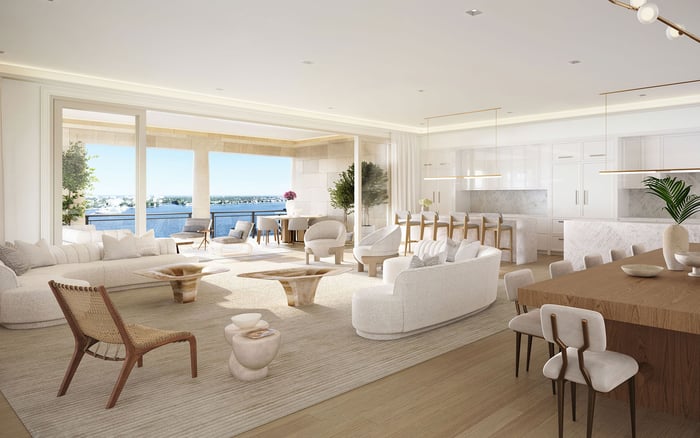
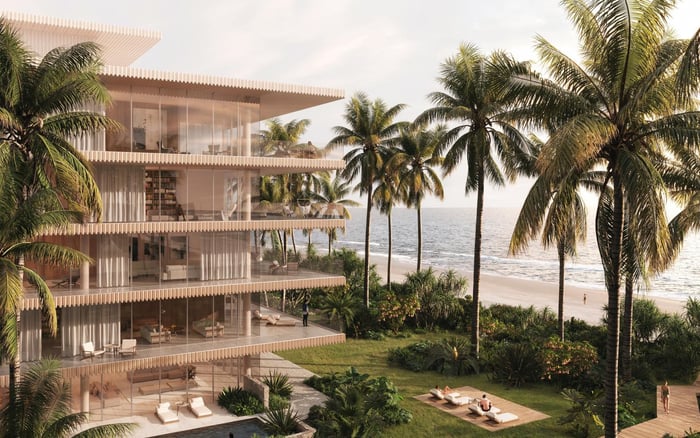
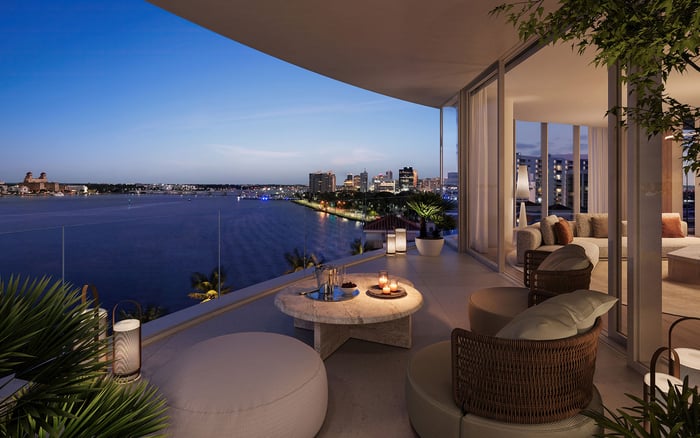
A Palm Beach water view deserves more than a daylight showing. Buyers should test solar comfort, glazing performance, storm protection, elevation, corrosion and condominium records before assigning a premium.
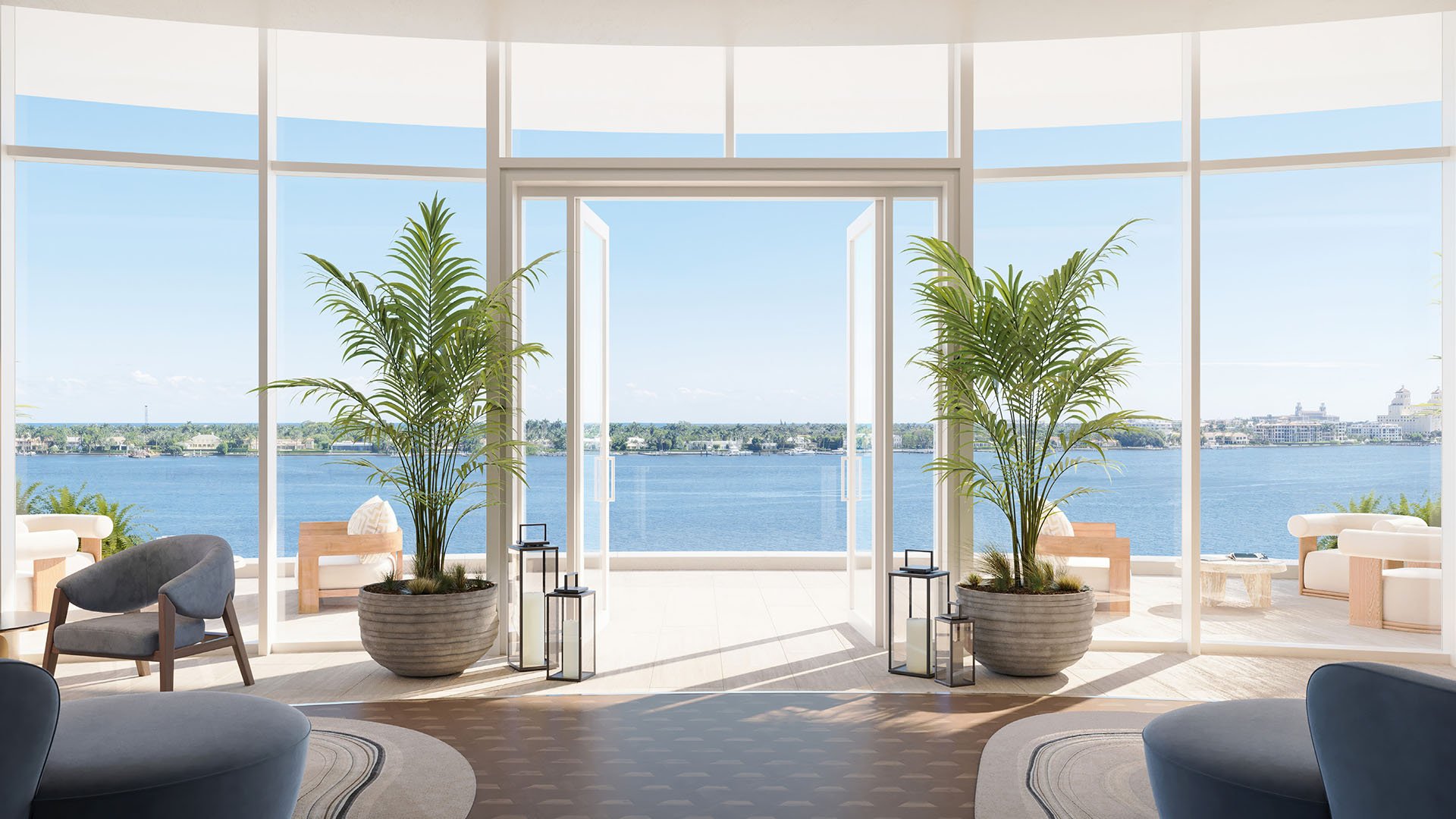
At Palm Beach Residences, a broad water outlook can shape both the emotional appeal and perceived value of a home. Yet the quality of that outlook cannot be established through photography or a single midday tour. It depends on whether the rooms remain comfortable when direct sunlight reaches the glass, whether the glazing is appropriately specified for each opening and whether the exterior envelope has been maintained for coastal conditions.
The buyer’s task is to separate an impressive first impression from lasting livability. Schedule visits under different daylight conditions. Sit where furniture would actually be placed. Look through the glass from the living room, kitchen and primary bedroom, then consider whether each space remains usable without closing the shades and surrendering the view for which a premium is being considered.
This is especially important for a waterfront home where large expanses of glass define the experience. The relevant question is not simply whether the residence has a water view. It is whether that view can be enjoyed during an ordinary day.
West-facing glass merits particular scrutiny during the afternoon, while southern exposure should also be evaluated alongside overhangs, surrounding structures, window-wall area and interior shading. Conditions can differ by room, floor and season, so orientation alone does not resolve the analysis.
Request the Solar Heat Gain Coefficient, or SHGC, and visible transmittance for the installed glazing. These figures should be considered together. SHGC addresses solar heat passing through the glazing, while visible transmittance describes the amount of visible light that passes through it. Darker glass may control glare but can also diminish daylight or change the perceived clarity of the outlook.
Ask for records identifying the exact installed glass and frame assembly rather than relying on a broad description such as “Low-E.” Product specifications should be reviewed in the context of the residence’s orientation, glass area, shading and cooling system by qualified professionals.
A floor-to-ceiling window wall may affect cooling needs even when solar-control glazing is present. Ask for available electricity records and determine whether the HVAC system was evaluated after any window replacement. A cool showing with lowered shades does not establish how the residence performs under other conditions.
“Impact windows” should be the beginning of the inquiry rather than its conclusion. For every major glazed opening, request the applicable product approval, impact-testing documentation, glass composition, design-pressure rating, installation records and permit history. Confirm that the documentation corresponds to the actual product dimensions, frame, anchoring method and substrate rather than merely identifying a similar product family.
Design pressure also deserves close attention. The appropriate rating can depend on the building, elevation, orientation, opening and exposure. High floors should not be assumed superior solely because they clear neighboring sightlines. Buyers should have the documentation reviewed against the residence’s actual conditions and the requirements governing the work.
If replacement or renovation is planned, confirm the applicable requirements with the local building department, condominium association and qualified project professionals. Do not rely on marketing language or a general description of the building’s storm protection.
The glass commands attention because it holds the view, but frames, seals, locks, perimeter joints and adjacent finishes are equally important. Inspect for staining, failed sealant, fogging between panes, difficult operation and signs of water entry. Salt exposure makes the condition of metal components, balcony railings and exterior finishes relevant to the value analysis.
Determine whether storm protection is consistent throughout the residence. A home may combine permanent impact glazing with shutters at selected openings. Deployed shutters obstruct views and can introduce operational or storage considerations. Test locks and movable panels, and establish who is responsible for deployment if shutters form part of the protection strategy.
Buyers comparing the broader Flagler Drive and West Palm Beach market might also tour Forté on Flagler West Palm Beach and South Flagler House West Palm Beach. The purpose is not to presume identical specifications, but to sharpen judgment about orientation, glass area, shading and the lived quality of different outlooks.
A technically suitable window can still be affected by the condition of the surrounding façade. Review condominium records for unresolved water intrusion, planned façade or window work, engineering discussions, insurance requirements and potential special assessments. Ask whether responsibility for windows and exterior doors rests with the owner or association and whether replacements must follow an approved building-wide specification.
Installation records are particularly valuable because product performance depends on attachment and sealing. Verify permits and final inspections for replacements. If documentation is incomplete or conditions appear inconsistent across the residence, engage qualified inspectors and glazing professionals to examine representative openings and identify where further investigation is warranted.
For another point of comparison, The Ritz-Carlton Residences® West Palm Beach can be considered within a wider tour of residences where outlook and extensive glazing influence buyer perception. Each building and residence must still be assessed on its own documentation, exposure and maintenance history.
A defensible view premium rests on four connected findings: the outlook is compelling, the rooms remain comfortable, the glazing is correctly specified and the building envelope is responsibly maintained. If shades must remain closed during the hours when the view is most desirable, or if storm and façade records introduce uncertainty, the premium should be reconsidered or reflected in negotiations.
Disciplined buyers revisit under less flattering daylight conditions, review technical records before contract deadlines and treat orientation as a performance variable rather than a compass point on a brochure. In Palm Beach, beauty and resilience should be evaluated as a single proposition.
For a discreet assessment of Palm Beach opportunities and their view premiums, consult MILLION.
If branded residences are on your mind — as a home or as an allocation — we would be glad to share what we are seeing, privately.
Begin a quiet conversationVisit under different daylight conditions, including the morning and late afternoon. Give west-facing rooms particular attention during afternoon sun.
A single showing may not reveal low-angle glare, accumulated heat or the need to close shades at other times of day.
Solar Heat Gain Coefficient addresses how much solar heat passes through glazing. It should be evaluated alongside visible transmittance and the residence’s actual exposure.
It describes how much visible light passes through the glass. Darker glazing may diminish daylight or alter perceived view clarity.
No. Buyers should verify product approvals, impact-testing documentation, design pressure, glass composition, installation records and permits.
The appropriate design-pressure rating can depend on the building, elevation, orientation, opening and exposure. Documentation should match the residence’s actual conditions.
No. The complete glazing assembly, glass area, orientation, shading and cooling system should be evaluated together.
Inspect frames, seals, locks, balcony railings and exterior finishes. Look for corrosion, staining, fogging, difficult operation and signs of water entry.
Review records concerning water intrusion, façade and window work, insurance requirements, permits, responsibility for openings and potential assessments.
Confirm them with the local building department, condominium association and qualified professionals. Do not rely solely on marketing descriptions.