A discreet buyer’s guide to evaluating restaurant access, reservation privileges, guest policies, fees, and lifestyle expectations before purchasing luxury real estate in Wynwood.
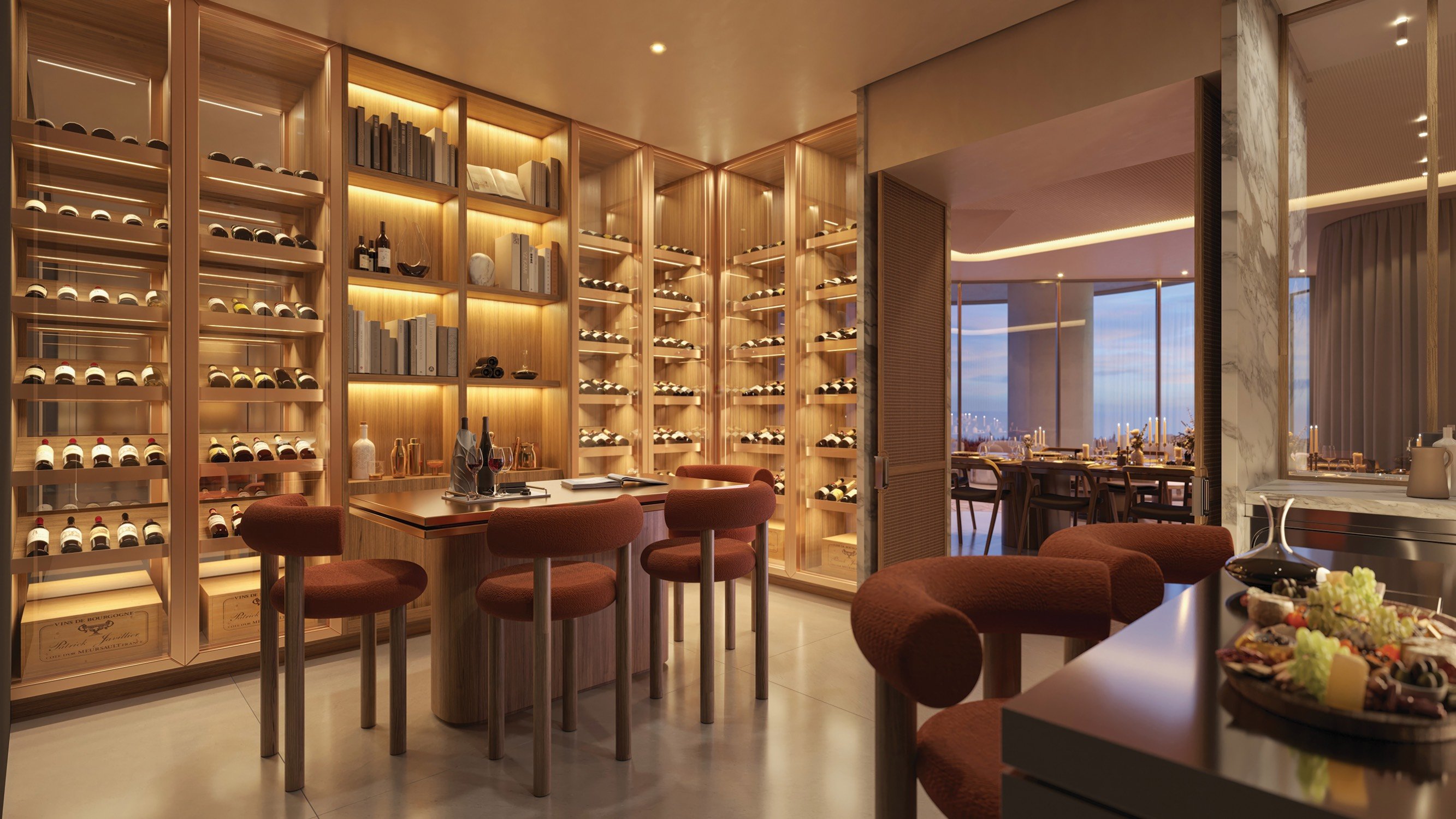
In Wynwood, restaurant access is not a side note. For a luxury buyer, it can shape how a residence lives on a Tuesday evening, how guests are entertained during season, and how confidently an owner can rely on the neighborhood without overplanning every dinner. The key question is not simply whether a desirable restaurant is nearby. It is whether access is predictable, transferable, controlled, and aligned with the way you intend to use the property.
This is especially relevant for buyers evaluating new-construction residences, where lifestyle language can sound polished before operating details are fully understood. A dining venue may be open to the public, reserved for residents, connected to a membership model, operated by a third party, or subject to priority booking protocols. Each model creates a different ownership experience.
For a lifestyle buyer, the right question is not, “Is there a restaurant?” The sharper question is, “What exactly am I entitled to, and what remains at the operator’s discretion?” That distinction belongs at the center of any serious buyer’s guide discussion for Wynwood.
Before buying, ask the sales team, association representative, or building operator to define the dining access in plain language. Is the restaurant fully public? Is it public with resident priority? Is it private dining for owners and their guests? Is it a members’ club where ownership does not automatically confer membership? Is it hotel-managed, condominium-managed, or leased to an outside hospitality group?
Those distinctions matter because they determine control. A public restaurant may deliver energy and visibility, but residents may compete with nonresidents for prime tables. A private dining room may feel quieter and more exclusive, but its hours, menu, staffing, and reservation rules may be narrower. A third-party operator may bring polish, but ownership does not always mean the condominium association controls every detail.
If you are considering Frida Kahlo Wynwood Residences or any residence in the district, separate the romance of the address from the mechanics of access. The strongest purchase decisions come from knowing exactly what is promised, what is planned, and what remains subject to change.
If part of your thesis for buying in Wynwood is that nonresidents can access nearby or affiliated dining, start by asking who qualifies as a nonresident. Does that include invited guests, club members, hotel guests, office tenants, event attendees, or the general public? The broader the audience, the more important it is to understand capacity and reservation priority.
Ask whether residents receive preferred seating, early booking windows, standing reservations, private event rights, or access to a concierge dining desk. Then ask whether those privileges are written into governing documents, an amenity program, a membership agreement, or a marketing brochure. Written rights are more durable than informal courtesies.
Fees also deserve scrutiny. There may be minimum spends, membership dues, guest charges, private dining deposits, corkage rules, event premiums, or cancellation penalties. None of these is inherently negative. In many luxury settings, such charges help maintain service standards. The issue is whether they are known before closing.
Finally, ask who can change the rules. If an operator can revise hours, access tiers, reservation windows, or guest policies, understand the approval process. A restaurant that feels accessible during sales may operate differently once demand, staffing, or ownership priorities evolve.
Wynwood buyers often compare lifestyle with nearby nodes such as Brickell and Design District, but the comparison should be disciplined. Brickell may suggest a more vertical, business-adjacent rhythm, while Design District may appeal to buyers who prize a curated design and retail atmosphere. Wynwood’s appeal may be different for each buyer, so restaurant access should be evaluated against daily patterns rather than neighborhood reputation alone.
Projects such as ORA by Casa Tua Brickell and Cipriani Residences Brickell show why buyers should distinguish a hospitality-oriented name or lifestyle positioning from the specific rights granted to owners. A name may set an expectation, but the documents, operating policies, and reservation protocols define the reality.
The same discipline applies when comparing Wynwood with the Design District. A buyer looking at Kempinski Residences Miami Design District should ask many of the same questions: who operates the dining experience, who may book, how guests are handled, and whether access is an ownership right or a service preference.
A polished tour can convey mood, but it should not substitute for documentation. Ask to review the condominium documents, rules and regulations, amenity policies, membership materials, and any disclosed hospitality agreements that affect dining access. If the restaurant is not yet operating, request the most current description of planned access, while recognizing that plans can change.
Pay attention to words such as “priority,” “preferred,” “available,” “exclusive,” and “subject to availability.” These terms can mean very different things. “Priority” may not mean guaranteed seating. “Exclusive” may apply only to a private room, not the main restaurant. “Available” may depend on hours, capacity, and operator discretion.
Also ask how access transfers on resale or lease. If you intend to hold the residence as a second home, accommodate family, or eventually rent long term, the ability of guests, tenants, or future buyers to use dining privileges may affect both convenience and perceived value. A privilege that is personal to the original owner is different from one that runs with the residence.
Restaurant access should be treated as a lifestyle asset, not as a guaranteed valuation formula. It can make a residence feel more complete, particularly for owners who entertain often or prefer a service-rich environment. Yet the market will usually reward clarity more than vague promise. Future buyers will ask the same questions you should ask now.
If access is public, the value may come from neighborhood energy and convenience. If access is private, the value may come from discretion and control. If access is membership-based, the value depends on cost, exclusivity, and transferability. None is automatically superior. The right fit depends on how you live.
For Wynwood, the most sophisticated approach is to underwrite restaurant access the same way you would underwrite parking, service charges, views, terrace usability, or building governance. It is part of the ownership experience, and it deserves written answers before emotional conviction takes over.
Should I assume a restaurant near my building will be easy to access? No. Proximity is not the same as priority, and nonresident access may depend on reservations, policies, capacity, and operator discretion.
What is the first question to ask about restaurant access? Ask whether the dining venue is public, resident-only, member-only, or a hybrid model with resident priority.
Are resident dining privileges always included in ownership? Not always. Privileges may be included, optional, limited, fee-based, or governed by a separate membership agreement.
Should restaurant access be in writing? Yes. Written policies, governing documents, or membership terms are more reliable than verbal descriptions or general lifestyle language.
Can nonresident guests use a private dining venue? They may be able to, but guest access should be confirmed in advance, including limits, fees, booking windows, and host requirements.
Do restaurant rules affect resale value? They can affect perceived lifestyle value, especially if access is clear, transferable, and useful to future buyers.
What if the restaurant operator changes? Ask who controls operator changes and whether a new operator may alter hours, menus, fees, or reservation policies.
Are minimum spends a red flag? Not necessarily. They can support service quality, but buyers should understand the amount, timing, and whether they apply to guests or events.
Should Brickell or Design District comparisons influence a Wynwood purchase? Yes, but only as lifestyle context. The decisive issue is the specific access model attached to the property you are buying.
Who should review dining access language before closing? Your real estate advisor and legal counsel should review the relevant documents so expectations are clear before you commit.
For a confidential assessment and a building-by-building shortlist, connect with MILLION.
If branded residences are on your mind — as a home or as an allocation — we would be glad to share what we are seeing, privately.
Begin a quiet conversation