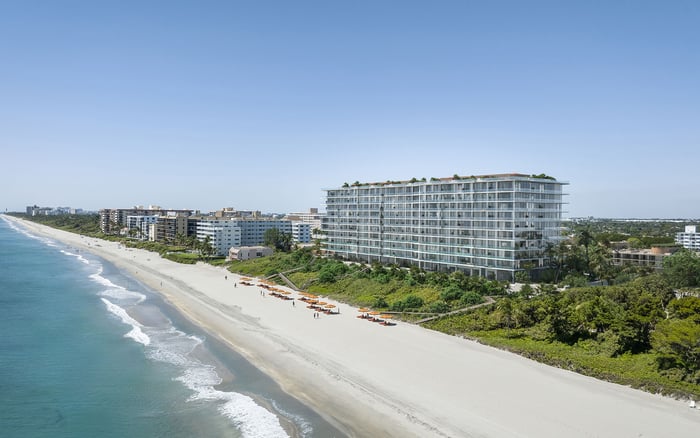
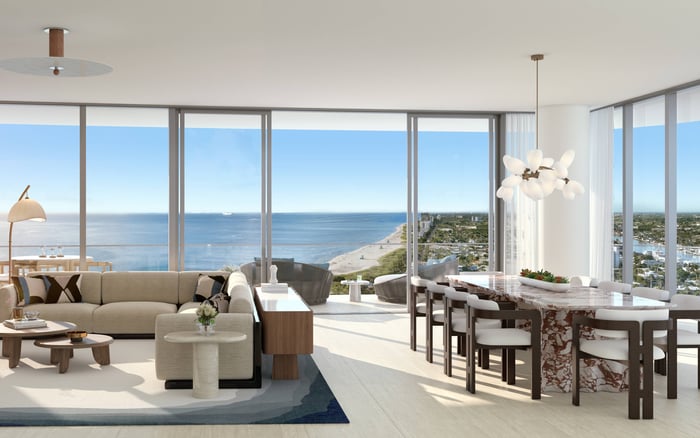
A discreet buyer’s guide to reviewing reserve study assumptions before purchasing luxury real estate in Pompano Beach, with practical questions for coastal buildings, funding discipline, capital planning, and long-term ownership confidence.
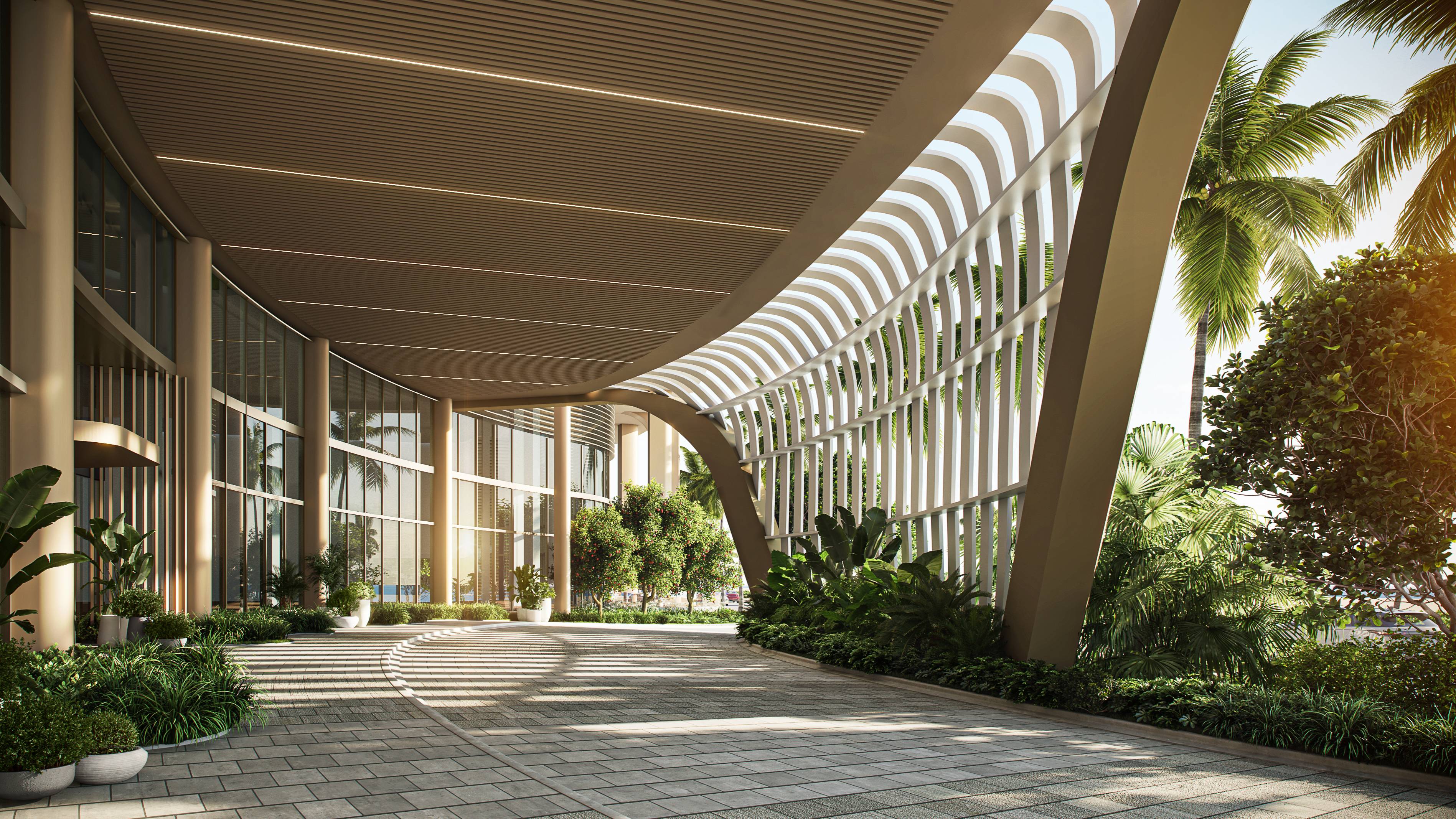
In Pompano Beach, the most compelling residences often sell first on feeling: a sweep of Atlantic blue, a terrace that catches the morning light, a private arrival sequence, the quiet confidence of a well-run lobby. Yet seasoned luxury buyers understand that a building’s long-term character is shaped as much by reserve planning as by architecture.
A reserve study is not merely a technical document for the association file. It is a window into how a condominium expects to age, how it intends to fund major repairs, and how honestly it is pricing the future. For a buyer comparing established towers, new deliveries, and branded residences such as Armani Casa Residences Pompano Beach, the right questions can reveal whether the monthly carrying cost is supported by disciplined planning or by optimistic assumptions.
This is especially relevant for oceanfront and waterfront ownership, where salt air, wind, sun exposure, waterproofing, mechanical systems, exterior finishes, pool decks, garages, elevators, and common-area infrastructure all demand careful stewardship. In Broward, and particularly along the Pompano Beach shoreline, reserve diligence should sit beside location, design, privacy, service, and resale liquidity in the buyer’s hierarchy of concerns.
Think of this as one of MILLION’s Buyer's Guides for reading the financial architecture behind the architecture.
The first question is deceptively simple: what components are actually included? A polished reserve schedule may look comprehensive, but buyers should ask whether it covers the building envelope, roof systems, balconies, railings, elevators, life-safety systems, waterproofing, mechanical equipment, generator systems, garage areas, amenity decks, pools, spas, fitness areas, lobbies, corridor finishes, landscaping, access controls, and technology infrastructure.
The issue is not only whether a line item exists. It is whether that line item reflects the property’s actual standard. A luxury building with high-design interiors, specialty stone, custom lighting, resort-grade pool environments, advanced access systems, and elevated service spaces may require more nuanced assumptions than a conventional condominium. Replacement cost should match the building’s finish level, not a generic baseline.
Ask whether the study was prepared for the building’s specific condition, rather than simply updated by formula. If the property has recently completed work, request clarity on what was repaired, what was deferred, and what remains in the projected schedule. If the building is newer, ask how early-life warranties, developer turnover, and future capital obligations are being incorporated.
Every reserve study rests on useful-life estimates: how long a component is expected to last before replacement or major repair. For coastal luxury real estate, this is where buyers should slow down.
Ask how the study treats exposure. Does it assume a generic useful life, or does it adjust for salt air, direct sun, heavy amenity usage, wind-driven rain, and the practical realities of beachfront living? A pool deck that functions as a resort environment, a garage exposed to humid air, or a facade with complex materials may not age like a simpler inland property.
For residences such as The Ritz-Carlton Residences® Pompano Beach, buyers are often evaluating not only private square footage, but also the promise of a refined common-area experience. The reserve study should therefore anticipate the cost of preserving the building’s sense of arrival, service, amenities, and exterior presence over time.
A useful question is this: if a component is assumed to last a certain period, what supports that timeline? The answer may involve prior maintenance, inspection history, material specifications, contractor input, or observed condition. The stronger the support, the less speculative the assumption feels.
A reserve study can appear conservative and still understate reality if replacement costs are too low. Luxury buyers should ask whether projected costs reflect current market pricing for comparable materials, skilled labor, insurance conditions, permitting complexity, staging, access constraints, and the premium often attached to working in occupied high-end buildings.
A waterfront tower is not a simple construction site. Mobilization can be complex. Access may be constrained. Work must be sequenced around residents, amenities, parking, security, and seasonal occupancy patterns. If the reserve study assumes a straightforward replacement cost without contingency, escalation, design fees, engineering review, or project management, the number may look cleaner than the future will feel.
Ask whether the study includes inflation assumptions. Then ask whether those assumptions have been stress-tested. A buyer does not need to become an engineer, but should understand whether the association is planning for a range of outcomes or a best-case scenario.
Reserve planning is not only about the size of the reserve account. It is about discipline. A building can show a reserve balance and still be vulnerable if contributions are too low, if the plan relies heavily on future special assessments, or if boards have a history of postponing increases to keep monthly fees artificially attractive.
Ask whether reserves are funded consistently, whether the budget tracks the study, and how often assumptions are reviewed. Look for alignment between the reserve schedule and the annual budget. If the study identifies major future obligations but the budget does not meaningfully prepare for them, that gap belongs in your underwriting.
In a luxury context, monthly assessments should be evaluated as part of the ownership proposition. Underfunded reserves can create the illusion of affordability, while disciplined funding can protect the building’s standard over time. Buyers comparing Pompano Beach opportunities such as W Pompano Beach Hotel & Residences should look beyond the headline maintenance figure and ask what level of future care that number actually supports.
Special assessments are not inherently a red flag. In some cases, they reflect decisive action and responsible capital planning. The concern is surprise: large obligations that were foreseeable but not funded, studied, communicated, or phased.
Ask whether any capital projects are being discussed that are not yet reflected in the reserve study. Ask whether engineering, design, or inspection conversations have occurred that could lead to future work. Ask whether recent increases are part of a long-term plan or a reaction to delayed maintenance.
For a buyer, the best posture is calm skepticism. If a seller or representative says that no assessment is expected, ask what documents support that view. Review board minutes, budgets, reserve schedules, insurance discussions, and pending project references. The goal is not to avoid every future cost. The goal is to avoid being surprised by costs that should have been visible.
A newer building may appear simpler from a reserve perspective, but it still requires careful review. Ask how the first reserve schedule was established, what assumptions were inherited at turnover, and whether early capital obligations are being recognized realistically. A newer residence may have fewer immediate repairs, yet its future replacement costs can be substantial because finishes, systems, and amenity standards are more elaborate.
An established building, by contrast, offers a visible maintenance history. Buyers can study how boards have responded to work over time. Have they funded projects early? Have they maintained finishes to a luxury standard? Have they allowed small issues to become large ones? The answers often matter as much as the architecture itself.
For branded or hospitality-influenced residences such as Waldorf Astoria Residences Pompano Beach, also consider the cost of maintaining the expected service environment. A brand name may elevate the buyer experience, but the association’s financial planning still needs to support that level of presentation.
Before committing, ask for the most recent reserve study, current budget, year-to-date financials, board minutes, insurance information, and details on completed or planned capital projects. Then ask pointed questions.
What major components have the shortest remaining useful life? Which estimates carry the greatest uncertainty? Are replacement costs based on recent proposals, historical pricing, or generalized assumptions? Are contingencies included? How are inflation and coastal exposure modeled? Are there known projects outside the study? Has the association ever deferred recommended reserve contributions? Are any common areas being maintained to a lower standard than the private residences suggest?
For boutique or lower-density options such as Ocean 580 Pompano Beach, buyers should also ask how shared costs are spread across the ownership base. Fewer residences can mean a more private experience, but it can also make large capital items more meaningful on a per-owner basis.
The most refined buyers do not treat reserve diligence as a reason to step away from beauty. They treat it as a way to understand whether beauty is being protected.
What is a reserve study assumption? It is an estimate used to project when building components may need repair or replacement and how much those future obligations may cost.
Why does this matter more in Pompano Beach? Coastal ownership can place added pressure on exterior materials, mechanical systems, waterproofing, and amenities, making assumptions especially important.
Should I avoid a building with upcoming capital work? Not necessarily. Planned work can be a sign of responsible stewardship if it is documented, funded, and clearly communicated.
What is the biggest warning sign in a reserve study? A large gap between projected future obligations and actual funding discipline should prompt deeper review before purchase.
Are lower monthly assessments always better? No. Low assessments can be attractive, but they may also indicate underfunding if reserves are not keeping pace with future needs.
How should luxury finishes affect reserve planning? Replacement assumptions should reflect the true quality of common areas, materials, systems, and amenity environments.
Can a newer building still have reserve risk? Yes. Newer buildings may have fewer immediate repairs, but their long-term replacement costs still need realistic modeling.
What documents should I request before buying? Ask for the reserve study, budget, financials, meeting minutes, insurance information, and details on planned capital projects.
Should my attorney review reserve materials? Yes. Legal and financial review can help identify obligations, disclosures, and potential assessment exposure.
How should I compare two luxury buildings? Compare not only views and amenities, but also reserve funding, board discipline, maintenance history, and capital planning.
For a tailored shortlist and next-step guidance, connect with MILLION.
If branded residences are on your mind — as a home or as an allocation — we would be glad to share what we are seeing, privately.
Begin a quiet conversation