A practical buyer’s guide to evaluating wellness amenities through the lens of daily family life, privacy, schedules, child-friendly routines, pets, and long-term residential value in South Florida luxury real estate.
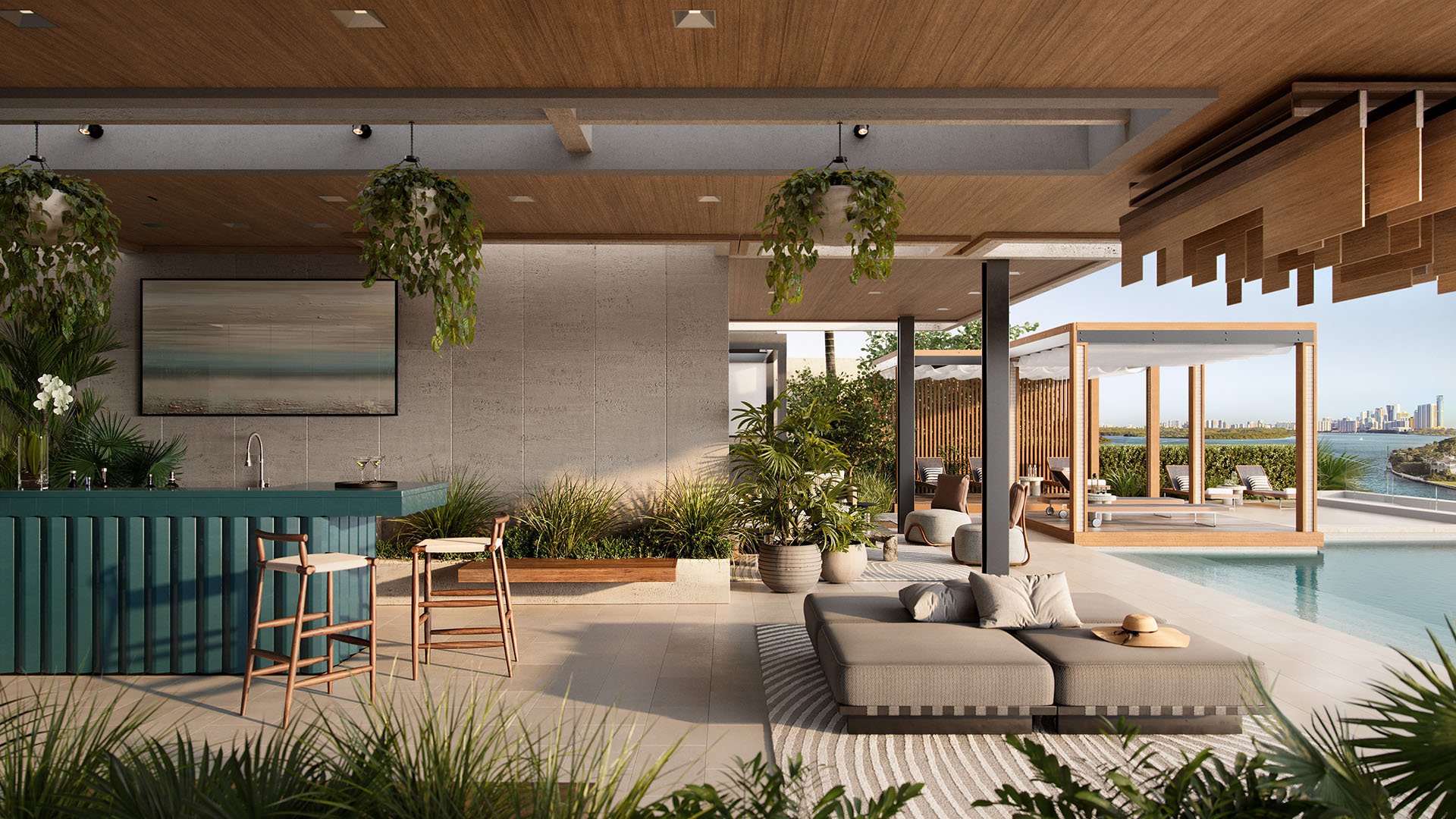
In South Florida luxury real estate, wellness has become one of the most polished words in the sales gallery. It can mean a spa suite, fitness center, meditation garden, cold plunge, lap pool, juice bar, private treatment room, or simply an elegant terrace with morning light. For families, however, the word requires a more exacting conversation.
The issue is not whether a residence offers wellness. The issue is whether its wellness environment supports the way your household actually lives. A couple with young children, grandparents visiting for long weekends, a teenager with a training schedule, a household with pets, or a family that divides time between Miami Beach and another city will each experience the same amenity package differently.
The most useful due diligence begins by translating the sales pitch into routines. When does your family wake up? Who uses the gym? Are children welcome in certain wellness spaces? Is the pool suited to relaxed family time, or primarily designed for quiet adult use? Is beach access convenient enough to become part of the morning, or is it more symbolic than practical? These questions separate appealing imagery from everyday value.
Every building has a rhythm. For families, the critical windows are often early morning, after school, late afternoon, and weekend mid-mornings. A wellness amenity that feels serene during a private showing may feel entirely different when multiple households converge at the same time.
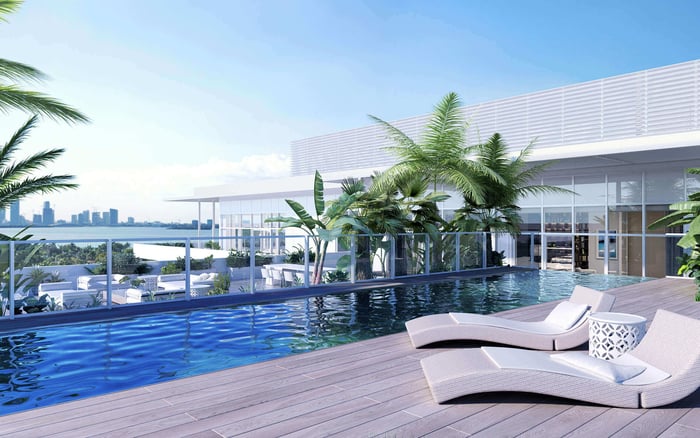
Ask what happens during peak use. Is the fitness center spacious enough for residents who train before work? Is there a separate studio for stretching, mat work, or private instruction? If the property promotes a pool and a lap pool, clarify whether one is intended for recreation and the other for training, or whether those uses overlap. A family swimmer, a child building confidence in the water, and an adult seeking quiet laps do not always coexist gracefully without thoughtful programming.
The same applies to recovery and spa areas. If there are steam rooms, saunas, plunge pools, or treatment suites, ask about reservation systems, age policies, operating hours, and guest access. Family wellness is not only about facilities. It is about predictability.
Many ultra-premium residences are designed to feel calm, discreet, and adult. That can be a virtue, but families should understand where children fit within the wellness ecosystem before making assumptions.
Ask directly which areas are open to children, which require adult supervision, and which are age-restricted. A meditation room, spa lounge, or thermal suite may not be intended for young residents. A yoga lawn may welcome children during certain hours but not during organized programming. A pool deck may have rules around toys, floats, food, or music.
This is not a negative. Clear boundaries often protect the experience for everyone. The question is whether those boundaries align with your household. If the sales narrative suggests a family-centered wellness lifestyle, the operating rules should support that claim with equal clarity.
Families do not experience wellness as isolated rooms. They experience it through transitions: elevator to locker room, residence to pool, car to beach, dog walk to lobby, stroller to terrace. The elegance of those transitions often determines whether amenities become daily rituals or occasional novelties.
Ask how residents move through the property after swimming, training, or beach time. Are there service elevators or discreet return paths? Is there convenient towel service? Where do wet shoes, paddleboards, beach bags, or children’s gear go? If a household has a nanny, trainer, physical therapist, or visiting wellness practitioner, understand how access is managed.
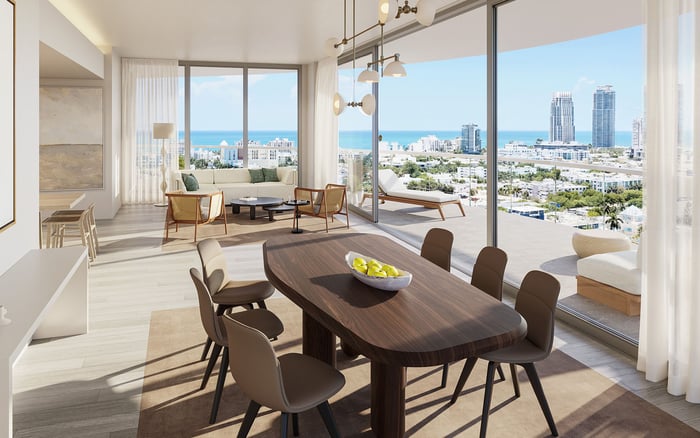
Outdoor space matters as much as interior programming. A private terrace may be the most used wellness amenity in the home if it supports sunrise coffee, stretching, quiet reading, or an evening decompression ritual. When touring, stand outside long enough to notice shade, wind, sound, privacy, and sightlines. A terrace that photographs beautifully is not always one that functions beautifully.
For many South Florida families, the pet is part of the household rhythm. If the building promotes a dog park, pet spa, walking area, or pet-friendly environment, ask how those features operate in real life.
The most relevant questions are practical. Is the pet area shaded? Is it large enough for the size and number of dogs likely to use it? Are there washing stations? How are elevators managed with pets during busy hours? Are there weight, breed, or number restrictions? Are service providers allowed to enter for dog walking or grooming appointments?
Pet wellness also affects human wellness. A dog walk that feels easy at 7 a.m. can be a genuine quality-of-life advantage. A pet policy that looks generous but is difficult to navigate can become a daily friction point.
In a luxury residence, wellness depends heavily on operations. A beautiful space can underperform if staffing, reservations, maintenance, and etiquette are not carefully managed.
Ask whether the wellness facilities are staffed, and during which hours. Ask whether trainers, massage therapists, or instructors are in-house, preferred, or resident-arranged. Ask how equipment is maintained, how often spa areas are cleaned, and how conflicts are handled when demand is high.
For families, ask who coordinates overlapping needs. Can one household reserve a treatment while another family member uses the gym? Are children’s swim lessons permitted? Can a private chef, nutritionist, or physical therapist access the residence or amenity areas under building policy? A sophisticated wellness concept should have operational answers, not just renderings.
Wellness is personal. Families should assess privacy not only inside the residence, but across every wellness touchpoint. Consider who can see into the gym, pool deck, spa areas, cabanas, treatment rooms, and terraces. Consider whether shared spaces feel residential or hotel-like. Neither is inherently better, but each creates a different family experience.
Ask about guest policies. A generous policy may suit households that entertain often, but it can also make wellness areas feel less private during high-demand periods. A more restrictive policy may preserve calm, but limit visiting relatives or friends. The right answer depends on how your family uses the property.
Also ask about sound. Wellness is compromised when the quiet room hears the pool, the terrace hears mechanical systems, or the yoga area sits beside a high-traffic corridor. During a tour, pause and listen. Luxury is often revealed by what you do not hear.
Wellness can support long-term residential value when it is integrated, well-managed, and genuinely useful. But the label alone is not enough. Families should ask whether the amenity package reduces daily friction, encourages healthy routines, and remains appealing as children grow and schedules change.
A household with toddlers may prioritize shaded outdoor space, calm pool access, and easy stroller movement. A family with teenagers may care more about training facilities, lap pool access, and proximity to sport or school routines. Multigenerational owners may focus on spa services, walking paths, quiet lounges, and elevator convenience. Second-home owners may value simple arrival, reliable services, and amenities that function without elaborate planning.
The best question in any sales gallery is direct: “Walk me through a normal Tuesday for a family like ours.” Then listen for specifics. If the answer turns vague, keep asking. If the answer turns operational, you are getting closer to the truth.
What does wellness usually mean in a luxury residence? It can refer to fitness, spa, outdoor, recovery, nutrition, pool, beach, pet, or lifestyle programming. The exact meaning depends on how the property operates those features.
Should families ask about age restrictions in wellness spaces? Yes. Some spa, thermal, fitness, or quiet areas may limit children’s access or require adult supervision.
Why are peak hours important when evaluating amenities? Peak hours reveal whether the amenity can support real resident demand. A quiet tour may not reflect daily family use.
Is a lap pool always useful for families? Not necessarily. Ask whether the lap pool is reserved for training, shared with recreation, or governed by specific hours.
How should buyers evaluate beach access? Consider the route, towels, storage, return path, and whether the beach routine feels easy enough to use often.
What should pet owners ask before buying? Ask about pet rules, elevator protocols, grooming areas, walking routes, and whether the dog park suits your pet’s size and habits.
Do wellness amenities affect resale appeal? They can, especially when they are well-maintained, practical, and aligned with how luxury buyers actually live.
Should private terraces count as wellness space? Yes. A terrace can support daily routines such as stretching, reading, outdoor dining, or quiet recovery.
What is the most overlooked wellness question? Ask who manages the experience day to day. Staffing, reservations, cleaning, and rules often matter more than design language.
How can a buyer tell if wellness is more than marketing? Ask for a practical walkthrough of an ordinary family day and compare the answers with your real routine.
If you'd like a private walkthrough and a curated shortlist, connect with MILLION.
If branded residences are on your mind — as a home or as an allocation — we would be glad to share what we are seeing, privately.
Begin a quiet conversation